The French Hotel Experience Reimagined: A Professional Guide to Elegant Rooms, Smart Locations & Unforgettable Stays
The French Hotel Experience Reimagined: A Professional Guide to Elegant Rooms, Smart Locations & Unforgettable Stays
A hotel in France can be much more than a convenient place to sleep. The right property becomes a quiet extension of the destination, a comfortable base between excursions, a carefully designed environment for relaxation, and sometimes one of the most memorable parts of the entire journey. From the proportions of a Parisian bedroom to the sunlight entering a Mediterranean suite, hotel design can influence how travelers experience a city long after the initial booking has been forgotten.
France offers an unusually broad accommodation landscape. Travelers can choose historic properties, contemporary boutiques, family-run establishments, grand urban hotels, converted residences, coastal retreats, countryside estates, and compact city properties designed around efficiency. This variety makes choosing a hotel exciting, but it also makes the process more complicated. A beautiful photograph may not reveal whether the room is quiet. A prestigious address may not necessarily match the itinerary. A large room may not be as functional as a smaller but better-organized space.
The professional approach is therefore to look beyond the surface. Hotel selection should combine aesthetics with practical evaluation. The most useful questions concern location, room proportions, bedding, lighting, bathroom quality, storage, privacy, transportation, climate control, workspace, and the relationship between the hotel and the traveler’s daily routine.
For travelers beginning a broader search, Hotels & Resorts in France can serve as a useful starting point for thinking about destinations, accommodation styles, and the type of experience desired.

The New Definition of a Great Hotel Stay
A great hotel stay is not defined by one feature. It is created by a collection of details that work together without demanding attention. The bed should be comfortable, the room should be easy to navigate, the bathroom should be practical, the temperature should be controllable, and the lighting should work at different times of the day.
Beyond the room itself, the property should support the traveler's schedule. A hotel near the right transportation connection can save time every morning. A quiet room can make recovery easier after a long day of walking. A useful desk can transform an otherwise ordinary room into a productive workspace. A well-designed breakfast service can simplify early departures.
This is why the word “luxury” should not be reduced to expensive furniture or large spaces. Luxury can mean effortless functionality. It can mean arriving late and finding that everything works exactly as expected. It can mean having enough storage to unpack, enough outlets to charge devices, and enough darkness to sleep comfortably.
How to Evaluate a Hotel Before Booking
The first stage of professional hotel research is separating visual attraction from practical information. Hotel websites are designed to create desire, and photographs naturally emphasize the most attractive parts of a property. That is useful for understanding the design language, but it should not be the only evidence used to make a booking decision.
Begin with the room category. Determine whether the displayed photograph represents the exact category being offered or simply a representative room. Pay attention to descriptions of bed configuration, approximate dimensions, view, floor level, balcony access, bathroom arrangement, and included facilities.
Next, investigate the location. Instead of asking whether a hotel is “central,” identify the specific places you expect to visit. A property may be geographically central while still requiring inconvenient transfers to the attractions, restaurants, business districts, or railway stations that matter to your itinerary.
Finally, read recent reviews for recurring practical observations. Repeated references to noise, air conditioning, uncomfortable beds, weak showers, limited storage, or inconvenient elevators can be more valuable than a long list of decorative amenities.
Why Room Category Matters More Than the Star Number
Hotel classifications provide a broad framework, but the actual room category determines much of the physical experience. Two rooms in the same property can have very different proportions, views, layouts, and levels of privacy.
Travelers searching for a Hotel in Paris should be especially attentive to room categories because historic buildings can contain irregular floor plans. Tall ceilings, unusual corners, narrow corridors, interior courtyards, and different window positions can create significant differences between rooms.
A room labeled “superior” is not automatically the ideal option. The traveler should ask what has actually improved. Is the room larger? Does it have better light? Is there a more attractive view? Is the bathroom more spacious? Is there a separate sitting area? Does the category include a balcony?
The answer determines whether the upgrade provides meaningful value or simply a different label.
The Architecture of a French Hotel Room
One of the most appealing characteristics of French accommodation is the relationship between architecture and interior design. Many properties use existing buildings rather than constructing completely uniform hotel structures. This can preserve moldings, parquet flooring, tall windows, stone walls, decorative ceilings, shutters, or other architectural elements.
These features give a room identity. They also create design challenges. Historic architecture may produce narrow bathrooms, irregular walls, limited elevator dimensions, or unusual room shapes. The strongest renovations work with these constraints rather than attempting to erase them.
A successful contemporary room can preserve an old ceiling profile while introducing modern lighting. It can retain original flooring while adding simple furniture. It can use classic French windows while providing effective curtains and modern climate control.
This relationship between old and new is one of the reasons hotel design in France can feel distinctive without relying on excessive decoration.
Natural Light as a Design Asset
Natural light can completely transform the perceived quality of a hotel room. A compact space with large windows may feel open and energetic, while a larger room with limited daylight can feel enclosed.
When evaluating photographs, look at the direction and quality of light rather than simply counting windows. A large window facing a narrow neighboring building may provide less visual depth than a smaller opening facing a courtyard, garden, rooftop, or distant landscape.
Window treatments are equally important. Curtains should provide privacy when needed and ideally offer sufficient darkness for sleeping. Sheer curtains can create a soft daytime atmosphere, while heavier curtains can control glare and nighttime exposure.
In warmer regions, window orientation also influences indoor temperature. A room with intense afternoon sunlight may require effective climate control to remain comfortable during summer.
Nice and the Mediterranean Approach to Hotel Design
Travelers comparing a Hotel in Nice may encounter a very different visual environment from the one found in central Paris. Mediterranean light encourages brighter interiors, larger windows, outdoor seating, pale materials, natural textures, and stronger connections between interior and exterior spaces.
The most useful question is whether the room takes advantage of its setting. A balcony, terrace, sea view, garden outlook, or large window can become a significant part of the stay when the climate encourages outdoor living.
But travelers should distinguish between a genuine outdoor experience and a decorative balcony. A small platform with limited furniture may not provide the same value as a terrace where two people can sit comfortably.
Room orientation also matters in coastal destinations. Sea views can be spectacular, but the traveler should consider sun exposure, privacy, traffic, and potential nighttime activity.
Paris: The Importance of Neighborhood Selection
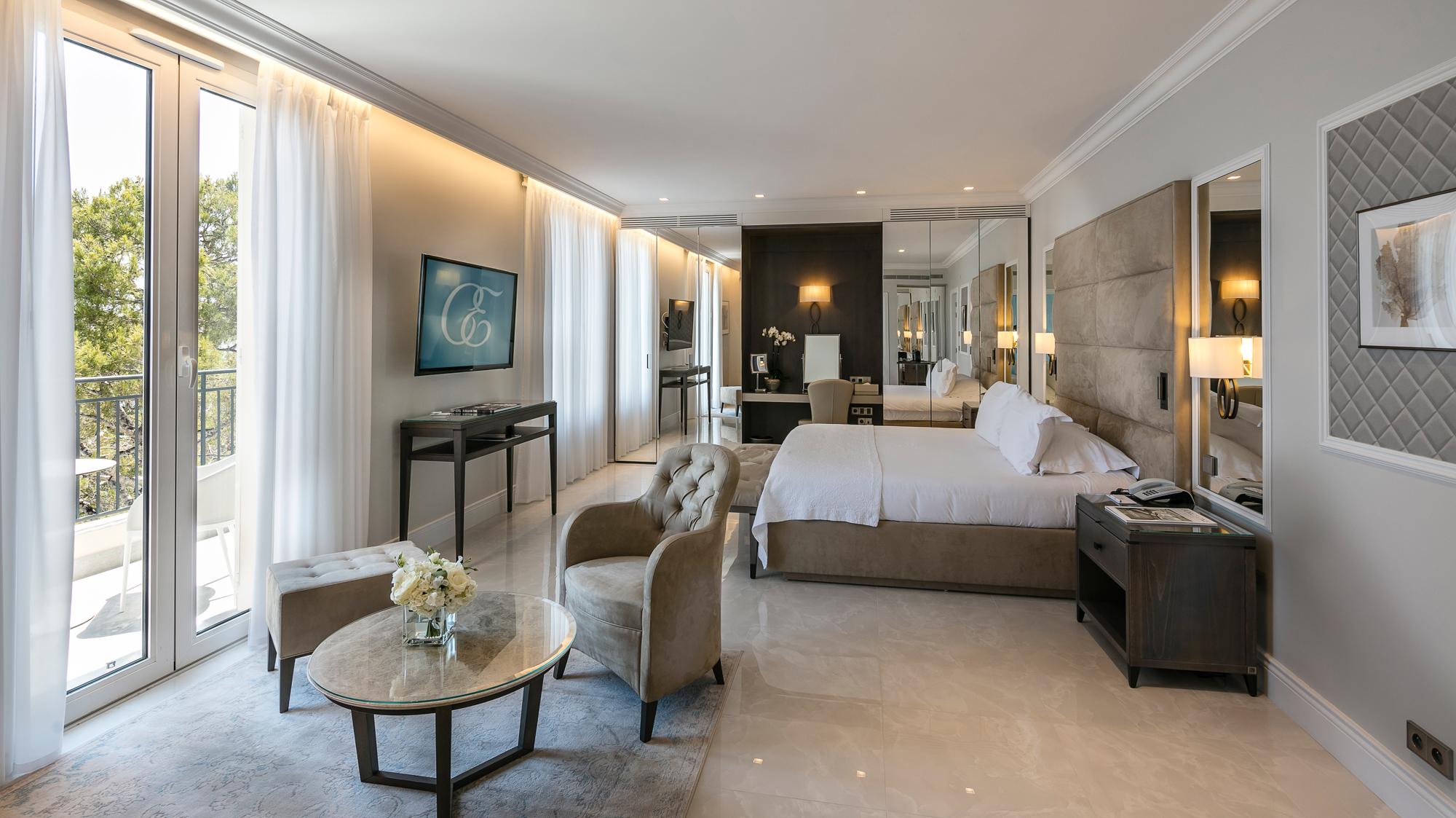
Paris is not a destination where hotel location can be reduced to distance from the city center. Different neighborhoods create different daily rhythms. Some are ideal for museums and historic attractions, some for shopping and dining, others for business travel, and others for travelers who want a quieter residential atmosphere.
A well-positioned Hotel in Paris can make a major difference because the city rewards walking but also requires efficient transportation when the itinerary covers distant areas.
Before booking, map the attractions you expect to visit and identify the transportation connections you are likely to use. A hotel that sits near a useful metro or railway connection can be more practical than one that appears closer to a single attraction but creates complicated journeys elsewhere.
The neighborhood itself should also be considered after dark. Restaurants, cafés, convenience stores, pharmacies, and pedestrian activity can make a location feel practical throughout the day rather than only during sightseeing hours.
Lyon: Where Heritage Meets Contemporary Comfort
Travelers comparing Hotels in Lyon may discover properties that combine historic architecture with contemporary interiors. Lyon offers a particularly interesting environment for travelers who appreciate design because historic districts and modern developments can coexist within a relatively compact metropolitan area.
A professional evaluation should examine whether the hotel supports the reason for visiting. Business travelers may prioritize railway connections and workspace. Food-focused travelers may value access to restaurants and central neighborhoods. Leisure travelers may prefer a property that makes it easy to explore historic streets and cultural attractions on foot.
Room design should then be considered in relation to the location. A beautiful interior becomes more valuable when the hotel also reduces daily travel friction.
Marseille and the Relationship Between City and Coast
Marseille presents another distinctive hotel-selection challenge. The city combines dense urban areas, historic neighborhoods, a major harbor, coastal environments, and access to wider Mediterranean excursions.
Those comparing Hotels in Marseille should therefore decide whether the property is primarily a city base, a coastal retreat, or a combination of both.
A traveler planning to spend most days exploring central neighborhoods may value transport connections and walkability. Someone focused on the coast may prefer a hotel with outdoor space and easier access to seaside areas.
This is an excellent example of why there is no universal “best location.” The correct location is the one that supports the itinerary.
The Bed as the Foundation of Comfort
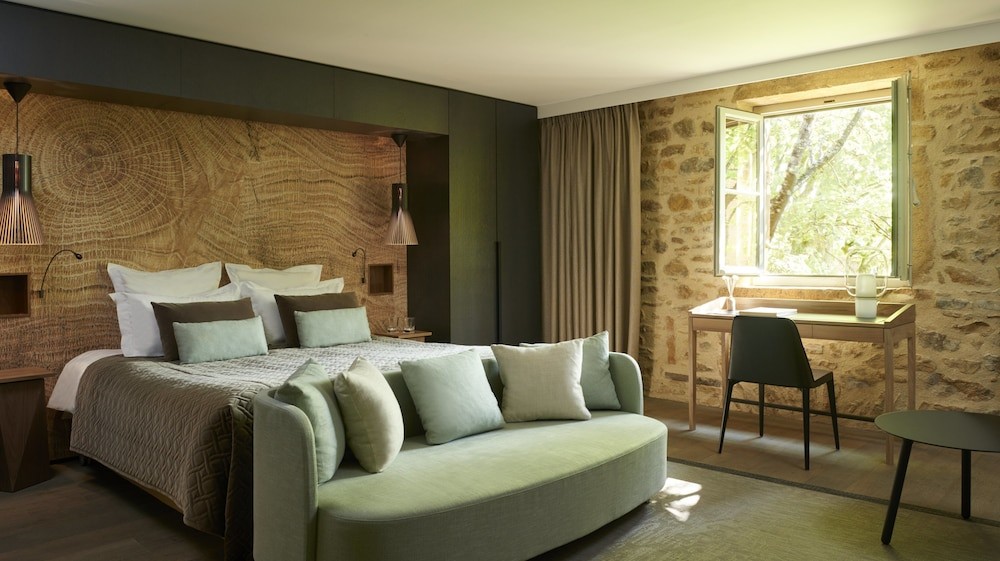
The bed is the most important piece of furniture in a hotel room because it directly affects recovery. A traveler may overlook a small desk or limited decorative space, but poor sleep can influence the entire following day.
Mattress firmness is personal, which means no single specification works for everyone. However, travelers can examine reviews for repeated comments about comfort and bedding quality.
Pillows are another important factor. Some properties provide different pillow types or additional pillows upon request. This can be particularly useful for travelers who have specific sleeping preferences.
Bed positioning also matters. A bed placed directly beside a busy corridor or elevator may be exposed to more noise than one positioned deeper inside the room.
Ideally, the room should provide enough space around the bed to move comfortably at night without repeatedly encountering furniture.
Lighting Should Support the Entire Day
Hotel lighting should not be evaluated only as decoration. It is an operational feature. Guests use rooms in the morning, afternoon, evening, and late at night, and each period requires different lighting conditions.
A strong lighting scheme normally includes general illumination, bedside lighting, bathroom lighting, desk lighting, and sometimes accent lighting. Independent controls are valuable because they allow the traveler to create different environments without illuminating the entire room.
Bedside reading lamps should be adjustable where possible. Bathroom mirrors should be sufficiently illuminated for grooming. Desk areas should have focused light that does not create excessive screen glare.
Bathroom Quality Reveals Practical Thinking
The bathroom is often the most revealing part of a hotel room. A visually impressive bedroom can hide practical weaknesses, but the bathroom exposes how carefully the space has been planned.
Look for counter space, towel placement, shower dimensions, drainage, ventilation, mirror lighting, storage, and separation between wet and dry zones.
Shower design deserves particular attention. A walk-in shower can be convenient, but the actual experience depends on water pressure, temperature stability, drainage, door configuration, and the amount of space available around the entrance.
Bathrooms also need to work for more than one person. Couples and families may value sufficient counter space and storage so that several personal items can remain organized without occupying the bedroom.
Storage Is an Essential Luxury
Storage rarely appears in hotel advertising, but it can dramatically influence comfort. Travelers who stay for several nights need somewhere to place clothing, shoes, bags, chargers, documents, and personal belongings.
A wardrobe should provide enough hanging space, while drawers and shelves can prevent smaller items from becoming scattered across the room.
A luggage bench is another simple but valuable feature. It allows travelers to unpack without placing suitcases directly on the floor.
For longer stays, storage becomes even more important. The difference between a room that merely accommodates luggage and a room that supports organized living becomes obvious after several days.
The Workspace Has Become a Core Hotel Feature
Modern travelers increasingly combine business and leisure. Even during vacations, people may answer messages, manage reservations, edit photographs, attend meetings, or organize travel plans.
A proper workspace should therefore include a stable desk, comfortable chair, accessible outlets, good lighting, and enough surface area for a laptop and other equipment.
Position matters too. A desk squeezed between the bed and a wall may technically qualify as a workspace but can be uncomfortable for extended use.
The best hotel rooms create a visual distinction between working and sleeping areas. Even a small separation can help travelers switch mentally between productivity and relaxation.
Soundproofing and the Invisible Architecture of Comfort
Noise is one of the most common reasons a beautiful room can become disappointing. Sound can enter through windows, corridors, neighboring rooms, elevators, doors, ventilation systems, or nearby streets.
When reading reviews, search for patterns rather than isolated comments. A single complaint may reflect an unusual event, while repeated references to nighttime noise can indicate a structural issue.
Room position can sometimes reduce exposure. Courtyard-facing rooms may be quieter than street-facing rooms, while rooms away from elevators and staircases may experience fewer corridor disturbances.
However, every building behaves differently. Travelers who are highly sensitive to noise should communicate their preference directly when making a reservation.
The Value of a View
A view can transform the emotional character of a hotel room. City rooftops, historic streets, gardens, mountains, water, and architectural landmarks can make the room feel connected to the destination.
Yet the word “view” should be interpreted carefully. Hotel descriptions can use broad terminology that covers a wide range of visual experiences.
Travelers should look for photographs from the actual room category and, when the view is central to the decision, ask the hotel for clarification.
Sometimes a courtyard view is more valuable than a street view because it offers privacy and calm. In other cases, a city-facing room is precisely what makes the stay special.
Balconies and Terraces: What Makes Them Valuable?
Outdoor space should be evaluated by usability rather than existence. A balcony is useful when it provides enough room to sit, enough privacy to enjoy the space, and a setting worth experiencing.
A terrace with comfortable furniture can become an additional living area. A narrow balcony without seating may function mainly as an architectural feature.
Orientation also affects outdoor comfort. Morning sunlight can be pleasant for breakfast, while strong afternoon exposure may require shade. Travelers should consider how they are likely to use the space before paying a significant premium for it.
French Interior Design Without Excess
French hotel interiors can range from extremely restrained to highly decorative. The most successful examples generally have a clear design philosophy.
Classic interiors may emphasize moldings, parquet, antique-inspired furniture, patterned fabrics, brass details, and architectural symmetry. Contemporary rooms may instead use natural wood, soft textiles, neutral colors, sculptural lighting, and simple lines.
The important quality is coherence. Individual elements should support the overall atmosphere rather than compete with one another.
Travelers can identify this coherence by examining the relationship between walls, flooring, curtains, furniture, artwork, lighting, and bathroom finishes.
When Simplicity Creates Sophistication
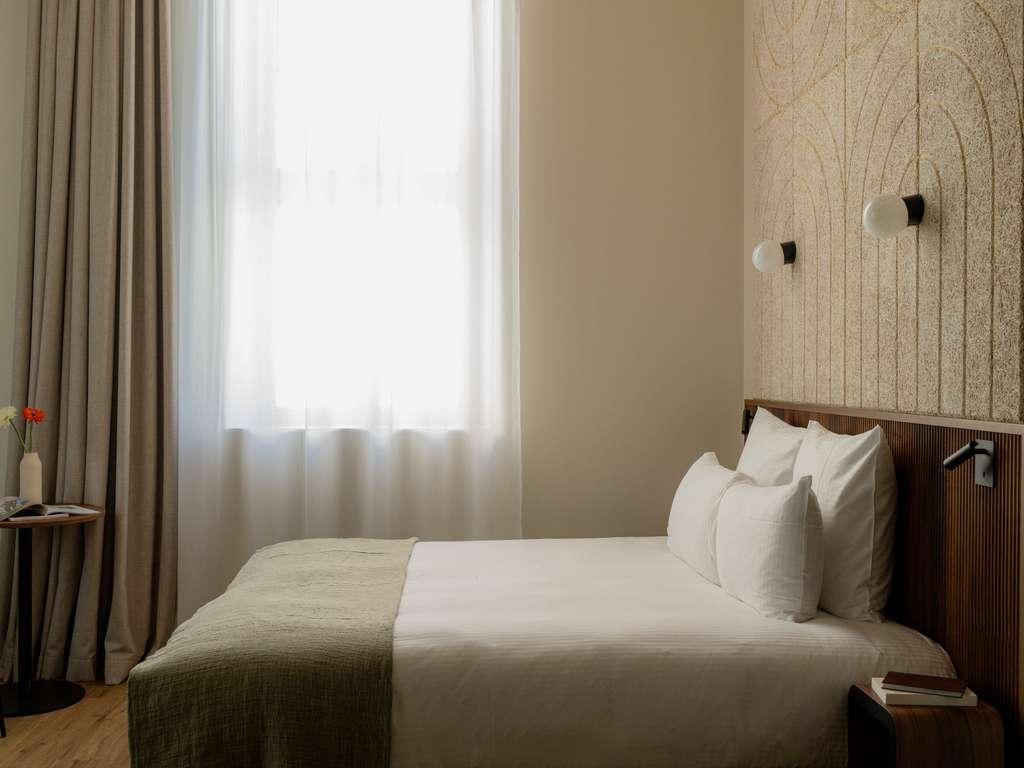
Some of the most sophisticated hotel rooms are visually simple. They use a limited number of colors, carefully selected materials, and generous areas of empty space.
Visual restraint can make a room feel calmer and larger. It also allows architectural features to become more prominent.
Travelers should therefore avoid assuming that a room with more decorative objects is necessarily more luxurious. Quality can be communicated through proportion, texture, craftsmanship, lighting, and maintenance rather than quantity.
Choosing a Boutique Hotel
Boutique hotels often appeal to travelers who want a more distinctive atmosphere. Their rooms may be individually designed, their architecture may be historically significant, and their public spaces may feel more intimate than those of large properties.
The trade-off can be less predictable room layouts. Because boutique properties frequently occupy converted buildings, room dimensions and configurations may vary significantly.
This makes the exact room category particularly important. Travelers should not assume that two rooms with similar names are physically identical.
Choosing a Larger Hotel
Larger hotels can provide advantages that smaller properties cannot easily match. They may offer multiple dining areas, extensive reception services, fitness facilities, meeting spaces, larger public areas, room service, concierge support, and more predictable operational procedures.
Families may appreciate the additional facilities, while business travelers can benefit from meeting rooms and dedicated work services.
However, larger properties can feel less intimate. Travelers who value quietness and individuality may prefer a smaller property even if the larger hotel offers more facilities.
Hotel Location as a Daily Time-Saving Tool
Location should be evaluated in terms of minutes rather than kilometers. A hotel that appears close to an attraction may still require complicated transportation, while a slightly more distant property near a direct transit connection can save considerable time.
Think about how many times you expect to travel between the hotel and the main areas of your itinerary. A five-minute improvement repeated four times a day can become meaningful over a week.
Location also influences spontaneity. A well-positioned hotel makes it easier to return for a short rest, change clothes, pick something up, or begin an evening plan without committing to another long journey.
Transportation and Car Rental Decisions
Transportation planning should happen before the final hotel decision. Travelers arriving by train or plane may prioritize direct public transportation. Travelers planning countryside excursions may value access to major roads and convenient vehicle pickup.
For a Paris-based itinerary, travelers can consider Car rentals in Paris if a vehicle is required for destinations outside the city. Within central Paris, however, parking and traffic can change the practical value of having a car.
For a wider itinerary, Car rentals in France can be evaluated according to the number of driving days, pickup location, regional route, parking requirements, and whether a vehicle is necessary throughout the journey.
Travelers staying in Nice and exploring surrounding coastal areas may also investigate Car rentals in Nice when a vehicle would provide useful flexibility.
Airport Planning Should Influence the First and Last Night
The first hotel night and final hotel night can have different requirements from the middle of the trip. After a long flight, travelers may value easy transfers more than proximity to a particular attraction. Before an early departure, airport access can become the dominant factor.
Those planning Paris travel can consider Flights to Paris Charles de Gaulle Airport (CDG) together with hotel location and transfer requirements.
This is especially useful for multi-city trips. A strategically chosen first hotel can provide recovery time after arrival, while a final-night property can reduce stress before departure.
Breakfast: Convenience Versus Exploration
Hotel breakfast can simplify mornings, but its value depends on the traveler. Some people enjoy a full breakfast before leaving the property, while others prefer discovering local bakeries and cafés.
Travelers with early tours may benefit from flexible breakfast hours or takeaway options. Business travelers may value speed and predictable service. Leisure travelers may see breakfast as an important part of the hotel atmosphere.
The key is to choose based on actual habits rather than assuming that a more elaborate breakfast automatically adds more value.
Parking: A Detail That Can Change the Entire Stay
Travelers using a vehicle should investigate parking before booking. Hotel descriptions sometimes mention parking without making it immediately clear whether it is on-site, nearby, public, private, reserved, or subject to additional fees.
Parking access can also matter. A garage several streets away may be inconvenient if luggage must be carried through busy pedestrian areas.
When a road trip includes several cities, it may be more efficient to use a car only for regional segments and rely on public transportation in dense urban centers.
Family Travel and Room Configuration
Families require a different approach to hotel evaluation because room functionality becomes more important as the number of occupants increases.
Parents should consider sleeping arrangements, bathroom access, storage, floor space, and whether connecting rooms or suites are available.
A room that looks spacious in an empty photograph may feel considerably smaller once several suitcases, children's belongings, and daily travel equipment are introduced.
Families should therefore imagine the room during the busiest part of the day rather than the perfectly staged moment shown in promotional imagery.
Couples and the Emotional Character of a Room
Couples may prioritize atmosphere, privacy, views, lighting, and seating. A room with a comfortable chair near a window can become a pleasant place for morning coffee or evening conversation.
Romantic design does not require excessive decoration. Soft lighting, beautiful proportions, quality bedding, natural materials, and a quiet environment can create a stronger emotional effect than a room filled with ornamental details.
Privacy also matters. A balcony facing a private garden can feel very different from one overlooking a busy neighboring building.
Long-Stay Hotel Selection
Long stays expose practical weaknesses that may remain invisible during a short visit. Storage, laundry, seating, workspace, bathroom organization, and neighborhood convenience become more important over time.
Travelers staying for a week or longer should look for rooms that allow partial unpacking. A comfortable chair or sofa can also become essential because spending every evening on the bed can quickly become tiring.
The surrounding neighborhood becomes part of the accommodation experience. Access to groceries, pharmacies, cafés, parks, transportation, and everyday services can matter more than proximity to a single tourist attraction.
Seasonal Hotel Selection
The ideal room can change according to the season. Summer travelers may prioritize air conditioning, shaded balconies, outdoor areas, and effective blackout curtains. Winter travelers may value heating, insulation, cozy textiles, and convenient access to indoor attractions.
Spring and autumn can increase the importance of walkability because mild temperatures encourage longer exploration on foot.
Seasonal daylight should also be considered. A room with beautiful morning light may feel very different during a season when sunrise occurs much earlier.
The Importance of Climate Control
Temperature control is a basic feature that can become extremely important during extreme weather. Travelers should understand whether rooms have individual climate controls or whether the building operates through centralized systems.
Large windows can create beautiful interiors, but they also increase heat gain during sunny periods. Effective curtains and climate control help balance aesthetics with comfort.
For warm-weather destinations, travelers should pay particular attention to recent reviews discussing air conditioning. A room that looks ideal in photographs may feel very different if temperature control is inadequate.
Technology Without Losing Comfort
Hotel rooms increasingly contain smart televisions, digital controls, USB charging, electronic safes, wireless connectivity, and other technologies. These features can be useful when integrated thoughtfully.
However, technology should remain secondary to physical comfort. A sophisticated television cannot compensate for an uncomfortable bed, and digital room controls are not valuable if basic lighting is difficult to operate.
The strongest rooms make technology easy to use without requiring guests to spend excessive time learning the system.
How to Read Hotel Reviews Professionally
Reviews are most useful when read analytically. Instead of focusing on the overall emotional tone, identify repeated factual observations.
If many guests independently mention comfortable beds, that provides useful evidence. If several travelers mention hallway noise, that deserves attention. If guests disagree about room size, the difference may be related to room category rather than an actual contradiction.
Recent reviews are particularly valuable because hotels renovate, change management, update rooms, and modify services over time.
Travelers should also consider the reviewer's expectations. Someone seeking a large resort room may perceive a compact Parisian room differently from someone who spends most of the day sightseeing.
Why Maintenance Matters More Than Decoration
Maintenance determines whether design continues to look intentional. High-quality materials cannot compensate for damaged furniture, worn fabrics, poor cleaning, broken fixtures, or neglected bathrooms.
A modest room that is exceptionally well maintained can feel more comfortable than an expensive room showing signs of wear.
Photographs can provide clues. Look at upholstery, flooring edges, bathroom fixtures, curtains, and wall surfaces. Recent reviews can provide additional confirmation.
The Psychology of Empty Space
Empty space is not wasted space in professional interior design. It creates breathing room around important objects and reduces visual fatigue.
Hotel rooms benefit from this principle because travelers bring their own belongings into the space. A room already filled with furniture has little capacity for personal items.
Generous circulation allows luggage, clothing, and daily equipment to coexist without making the room feel chaotic.
This is one reason well-designed smaller rooms can feel more comfortable than poorly organized larger ones.
Materials and Texture
Texture can make a room feel sophisticated even when its color palette is simple. Linen, wool, wood, stone, metal, leather, and woven materials each create different sensory impressions.
French hotel interiors often combine several textures without requiring strong colors. A neutral room can still feel rich when the materials have depth.
Travelers can look at headboards, curtains, rugs, upholstery, bedside tables, and flooring to understand how the designer has created visual variation.
Creating a Sense of Place
The strongest hotels often acknowledge their surroundings without becoming themed environments. Local craftsmanship, architectural references, regional materials, or destination-inspired colors can connect the room to its location.
In Paris, this may involve preserving historic details. In Mediterranean areas, it may involve light, stone, natural fabrics, and outdoor connections. In regional French destinations, local materials or architectural traditions can become subtle design references.
This approach creates authenticity without turning the room into a literal representation of the destination.
Luxury Is Often the Removal of Friction
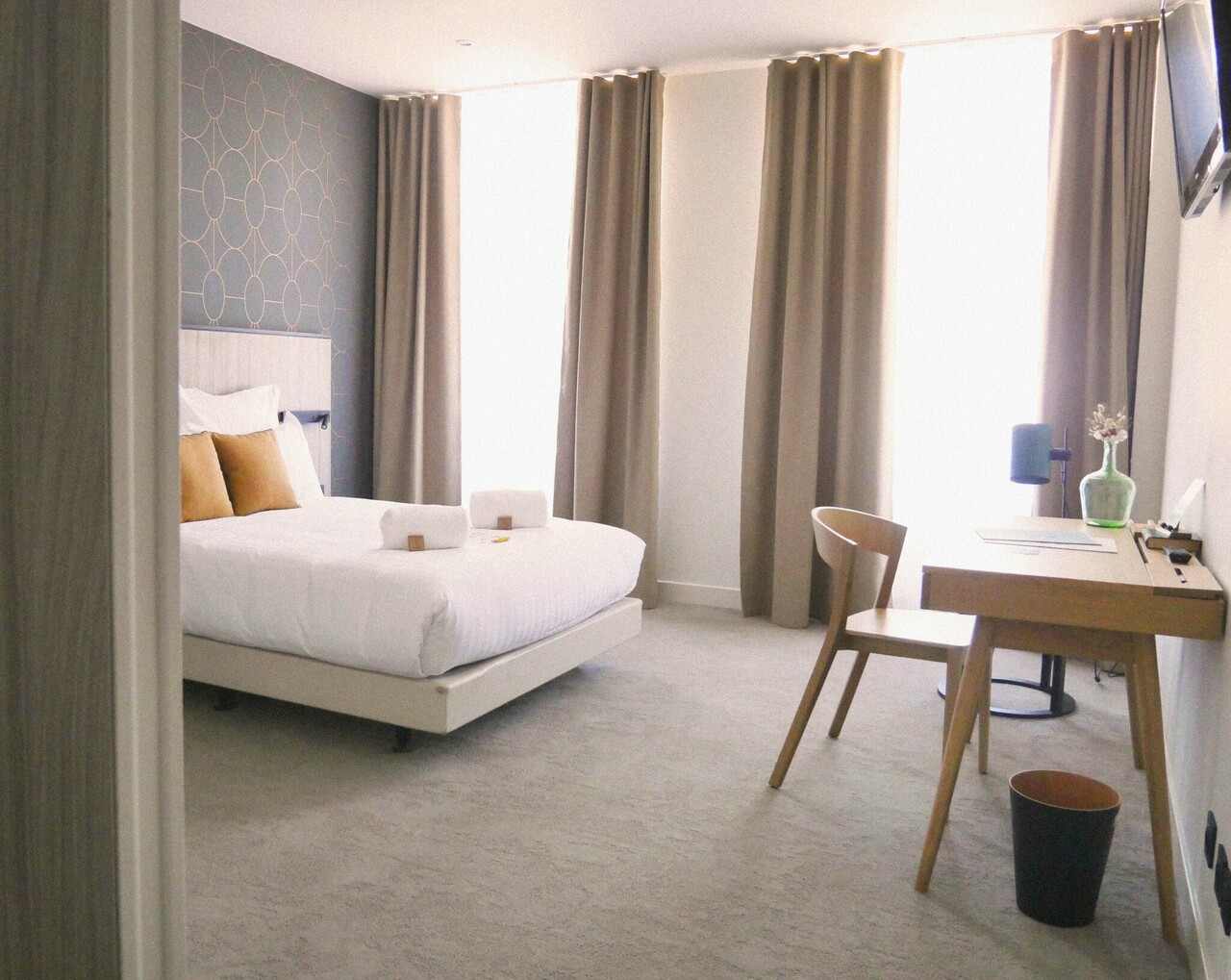
A useful way to understand modern hotel luxury is to think about friction. Every small inconvenience consumes attention: searching for an outlet, finding somewhere to put luggage, adjusting an uncomfortable chair, struggling with poor lighting, waiting for a slow elevator, or traveling unnecessarily far to reach the places on your itinerary.
A well-designed hotel quietly removes these problems.
This definition of luxury explains why a relatively compact room can sometimes feel more sophisticated than a huge suite. If the smaller room provides everything exactly where it is needed, the traveler may experience less friction.
Comparing Hotel Value Professionally
Price should be evaluated together with the total experience. Consider the nightly rate, taxes, breakfast, transportation, parking, room size, location, and the amount of time spent traveling to and from the hotel.
A property that costs slightly more but eliminates several daily transportation journeys may provide meaningful value. Conversely, a more expensive room with features you will never use may not justify its premium.
| Evaluation Area | Questions to Ask | Professional Consideration |
|---|---|---|
| Location | Does it support the itinerary? | Measure convenience in daily travel time. |
| Room | Is the layout genuinely usable? | Consider circulation and furniture placement. |
| Bed | Is sleep likely to be comfortable? | Look for bedding details and recurring reviews. |
| Bathroom | Is it practical for daily use? | Check shower, storage, lighting and ventilation. |
| Lighting | Can the room support different activities? | Look for layered, independently controlled lighting. |
| Storage | Can luggage and clothing be organized? | Important for stays longer than a few nights. |
| Noise | Could sleep be disrupted? | Study repeated review patterns. |
| Outdoor Space | Is the balcony or terrace actually usable? | Check furniture, size, privacy and orientation. |
| Transportation | How easy is arrival and daily movement? | Consider trains, metro, airport and parking. |
| Overall Value | What does the complete stay cost? | Compare total convenience rather than room price alone. |
Building a Professional Shortlist
A shortlist of three to five properties is usually easier to analyze than dozens of possibilities. Start by identifying non-negotiable requirements and remove any property that fails them.
For example, if air conditioning is essential, eliminate rooms without reliable climate control. If accessibility is essential, confirm the elevator and bathroom configuration before considering decoration.
Once the essential requirements are satisfied, compare secondary characteristics such as design, breakfast, views, public spaces, neighborhood atmosphere, and room upgrades.
This approach prevents attractive photography from dominating the decision.
Common Hotel Selection Mistakes
One of the most common mistakes is selecting a property based entirely on its main photograph. Promotional images are useful, but they represent only a small portion of the experience.
Another mistake is assuming that a higher room category automatically means better value. The upgrade may offer more space but a less attractive orientation, or it may add a feature that does not matter to the traveler.
Ignoring transportation is another frequent error. A beautiful hotel that creates difficult daily transfers can consume time that could otherwise be spent exploring.
Finally, travelers sometimes compare hotels using different assumptions. One property may include breakfast while another does not. One may offer free parking while another charges separately. One may be near public transportation while another requires taxis.
The Hotel Should Match the Travel Style
There is no single hotel profile suitable for everyone. A traveler who spends most of the day outside may prioritize location and sleep quality. Another traveler may spend several hours each afternoon in the room and therefore value space, seating, views, and design.
Business travelers may prioritize connectivity and workspace. Families may prioritize room configuration. Couples may emphasize atmosphere. Long-stay travelers may focus on storage and neighborhood services.
The professional decision begins by defining how the hotel will actually be used.
The Importance of Arrival Experience
The first minutes at a hotel influence perception. Easy access, clear reception procedures, luggage assistance, comfortable public areas, and efficient check-in can immediately reduce travel fatigue.
However, arrival experience should not distract from the room itself. A beautiful lobby cannot compensate for a room that fails essential requirements.
The strongest properties create consistency between public areas and private rooms. The same design language, cleanliness, lighting quality, and service philosophy continue throughout the property.
Public Spaces as Extensions of the Room
When a room is compact, public spaces become more important. A comfortable lounge, terrace, library, courtyard, or rooftop can provide additional areas for reading, working, meeting, or relaxing.
Travelers should therefore consider the entire property rather than evaluating only the bedroom.
For short city stays, a pleasant public area may be less important because most time is spent outside. For longer stays, however, shared spaces can significantly improve the sense of comfort.
French Hotels and the Art of Restraint
One characteristic frequently associated with refined French interiors is restraint. The room does not need to explain itself through excessive decoration. Architectural details, carefully chosen materials, balanced colors, and controlled lighting can communicate quality more effectively.
Restraint also allows travelers to personalize the room with their own belongings. Once luggage is opened, the guest becomes part of the visual composition.
A room that provides breathing space can therefore feel more welcoming than one that is already visually complete.
Designing for Morning and Evening
A professional hotel room should feel comfortable at different points of the day. Morning requires useful daylight, easy access to clothing, and practical bathroom lighting. Evening requires softer illumination, privacy, temperature control, and a relaxing atmosphere.
Travelers can examine photographs for clues. Are curtains easy to close? Are bedside lights visible? Is there a comfortable chair? Can the room become darker without turning off every light?
These small details can reveal how carefully the room has been designed for actual use.
Hotel Selection for Special Occasions
Celebrations such as anniversaries, birthdays, proposals, and milestone trips can justify giving greater attention to atmosphere and memorable features.
A room with a view, terrace, architectural character, beautiful bathroom, or exceptional public spaces may become part of the celebration itself.
However, travelers should still verify the fundamentals. A memorable view is much more enjoyable when the bed is comfortable and the room remains quiet at night.
Multi-City Trips Require a Different Strategy
A multi-city itinerary can benefit from varying the role of each hotel. The Paris property may prioritize central access and transportation. The Nice property may emphasize outdoor space and Mediterranean atmosphere. Lyon may focus on architecture and dining access, while Marseille may provide a bridge between city exploration and coastal experiences.
This creates variety and prevents every hotel from feeling interchangeable.
Travelers should also consider the logistics of moving between properties. A hotel close to a major railway connection can simplify the transition to the next destination.
The Value of Flexibility
Flexible cancellation conditions can be valuable when travel plans may change. Travelers should read the specific terms rather than assuming that every rate provides the same flexibility.
Flexible booking can be particularly useful for multi-city itineraries, seasonal travel, or trips involving multiple transportation arrangements.
The cheapest rate may not always be the most appropriate if changing plans would create substantial penalties.
Sustainability and Adaptive Reuse
Many French hotels operate in buildings with existing architectural value. Reusing historic structures can preserve local character while giving old spaces a new function.
Modern sustainability also involves energy efficiency, water management, durable materials, waste reduction, and responsible operations.
Travelers interested in sustainability can look beyond marketing language and examine practical policies. Efficient lighting, refillable amenities, responsible housekeeping programs, and thoughtful renovation strategies can provide more meaningful evidence than generic environmental claims.
The Importance of Authenticity
Authenticity does not mean that every hotel must look traditional. A contemporary hotel can still feel connected to its destination if its design responds to local architecture, climate, materials, culture, and lifestyle.
Similarly, a historic hotel does not need to preserve every decorative element unchanged. Thoughtful modernization can improve comfort while respecting the building's identity.
The most convincing properties create a conversation between history and contemporary living.
How Photography Can Reveal Room Functionality
Hotel photographs can be analyzed systematically. Start with the bed, then examine circulation around it. Look at the location of the desk, seating, television, storage, windows, curtains, and bathroom entrance.
Next, examine what the photograph does not show. Is the wardrobe outside the frame? Is there enough floor space for luggage? Does the bathroom appear compact? Are outlets visible?
A single photograph cannot answer every question, but several images together can reveal the basic organization of the room.
The Five Most Useful Visual Signals
- Clear circulation: pathways around furniture appear unobstructed.
- Layered lighting: multiple fixtures support different activities.
- Balanced furniture: pieces fit the proportions of the room.
- Practical storage: wardrobes, drawers or luggage areas are visible.
- Visual calm: colors, textures and decorative elements feel coordinated.
Hotel Comfort Beyond the Bedroom
Comfort continues outside the room. Elevators, corridors, reception areas, breakfast spaces, lounges, gardens, terraces, and fitness facilities can influence the overall experience.
For travelers with limited mobility, the distance between the entrance, elevator, bedroom, and breakfast area can matter considerably.
For business travelers, meeting areas and quiet lounges can provide alternatives to working inside the bedroom.
For families, public spaces may offer additional areas where children can move around without disturbing the room.
The Role of Service
Service is difficult to measure from photographs but often becomes one of the most memorable aspects of a stay. Efficient communication, housekeeping consistency, reception availability, luggage assistance, and responsiveness can transform a technically good hotel into a genuinely comfortable one.
Reviews can provide useful clues about service patterns, particularly when guests describe how staff handled practical requests.
Travelers should distinguish between isolated incidents and repeated patterns. No property operates perfectly every day, but consistent observations can reveal the general service culture.
When to Spend More on the Room
Room upgrades are most meaningful when the additional features will actually be used. A larger room may be worthwhile for a long stay. A balcony may be valuable during warm weather. A separate living area can be useful for families or travelers who work from the room.
For a short itinerary where the room is used mainly for sleeping, a premium upgrade may provide limited practical benefit.
The right question is not “Is the upgraded room better?” but “Will the additional characteristics improve my specific trip?”
When to Spend More on Location
Location upgrades can be highly valuable when the itinerary involves frequent movement. If a more expensive hotel eliminates repeated transportation journeys, the premium may purchase time as well as convenience.
This is particularly relevant in large cities where daily travel can consume significant portions of the day.
Travelers should compare the total cost of the hotel plus transportation rather than treating accommodation and movement as completely separate expenses.
A Professional Evening Test
One useful mental exercise is to imagine returning to the hotel at 10 p.m. after a full day of sightseeing. Would you want to walk into the room? Is the lighting comfortable? Is the bed inviting? Can you place your belongings somewhere? Is the bathroom easy to use? Is the room likely to be quiet?
This evening test can reveal whether a hotel is genuinely aligned with your travel habits.
A Professional Morning Test
Now imagine waking up. Can you open the curtains easily? Is there enough natural light? Can two people prepare simultaneously? Is the bathroom practical? Is there somewhere to sit? Can you access clothing without unpacking everything?
The morning test is particularly useful for evaluating couples and families.
Hotel Design and Personal Routine
The best room for one traveler can be completely different from the best room for another. Someone who begins every day with coffee and emails may need a desk and natural light. Another person may prefer a comfortable chair near the window.
Travelers who exercise may value nearby fitness facilities or sufficient floor space. Travelers who spend evenings reading may prioritize bedside lighting.
Understanding personal routine turns hotel selection into a practical design exercise rather than a purely emotional decision.
Creating a French Travel Accommodation Portfolio
Frequent visitors to France can think of hotels as a portfolio of experiences rather than repeated transactions. A Paris stay can emphasize architecture and culture. A Nice stay can emphasize light and outdoor living. Lyon can provide culinary and historic atmosphere. Marseille can offer a more Mediterranean rhythm.
Varying hotel styles can make repeated travel feel fresh even when returning to familiar cities.
The goal is not to choose the same type of property everywhere, but to find the accommodation style that best reflects each destination.
The Complete Pre-Booking Checklist
- Identify the purpose of the trip.
- Define non-negotiable room requirements.
- Choose the neighborhood according to the itinerary.
- Verify the exact room category.
- Review recent room photographs.
- Check room dimensions when available.
- Evaluate bed configuration.
- Review bathroom design and shower type.
- Check storage capacity.
- Look for a practical luggage area.
- Evaluate natural light.
- Check blackout curtains.
- Investigate noise patterns.
- Confirm climate-control options.
- Check workspace quality if required.
- Evaluate balcony or terrace usability.
- Confirm breakfast arrangements.
- Investigate parking if necessary.
- Compare public transportation options.
- Calculate the total cost of the stay.
- Review cancellation conditions.
- Consider airport and railway connections.
- Read recent reviews for repeated practical observations.
- Contact the property about important uncertainties.
- Choose the room based on actual travel habits.
Frequently Asked Questions
What is the most important factor when choosing a hotel in France?
The most important factor depends on the purpose of the trip. Location, sleep quality, room functionality, transportation, or atmosphere may become the dominant consideration for different travelers. Start with non-negotiable requirements and then compare the remaining features.
How can I choose between different room categories?
Look at what actually changes between categories. Compare space, view, bathroom, balcony, seating, floor level, and included amenities. A higher category is useful only when its additional characteristics matter to your itinerary.
Is a hotel with a beautiful design automatically a good choice?
No. Design is one component of the experience. A professionally selected hotel should also provide practical comfort, appropriate location, reliable maintenance, suitable transportation, and a room configuration that matches the traveler.
Should I prioritize location or room size?
Consider how much time you expect to spend inside the room. If the hotel is mainly a base for sightseeing, location and sleep quality may deserve greater attention. For long stays, room size and functionality can become more important.
Are balconies worth paying extra for?
They can be, particularly when the balcony is private, spacious enough to use, and connected to a meaningful view. A narrow balcony without seating may have much less practical value than a genuine terrace.
How can I reduce the risk of booking a noisy room?
Study recent reviews for recurring noise references and ask the property about courtyard-facing, higher-floor, or quieter room options when appropriate. Internal hotel noise and external street noise should both be considered.
Should I rent a car during a French city trip?
It depends on the itinerary. Cars can be useful for regional and countryside travel, while dense urban destinations may be easier to navigate without one. Parking, traffic, pickup locations and public transportation should all be considered.
What makes a French hotel feel authentic?
Authenticity can come from architecture, materials, local craftsmanship, proportions, design references, and the relationship between the property and its surroundings. A contemporary hotel can feel authentic without looking traditionally French.
The Complete French Hotel Experience
A successful hotel choice begins long before check-in. It starts with understanding how the accommodation will function within the journey. Will the room be a quiet place to recover after long walks? Will it serve as a workspace? Will the hotel itself be part of the experience? Will transportation convenience save valuable time? Will a balcony, terrace, view, or distinctive architectural feature make the stay more memorable?
Once those questions are answered, the search becomes considerably clearer.
France provides an extraordinary range of possibilities because its accommodation landscape reflects the diversity of its cities and regions. Paris can offer elegant historic interiors and highly strategic urban locations. Nice can provide Mediterranean light and outdoor living. Lyon can combine heritage with contemporary functionality. Marseille can connect urban energy with coastal atmosphere.
The professional traveler does not need to identify a universally perfect hotel. Instead, the objective is to identify the property whose characteristics align with the specific journey.
A traveler searching for a broad accommodation starting point can explore Hotels & Resorts in France, then narrow the research according to destination, travel style, and room requirements.
For Paris, Hotel in Paris can be approached through the lens of neighborhood, transportation, architecture, and room orientation. For the Riviera, Hotel in Nice can be evaluated through natural light, outdoor space, sea views, and regional mobility.
Travelers heading to Lyon can compare Hotels in Lyon according to heritage, dining access, business requirements, and transportation. Those heading toward the Mediterranean can consider Hotels in Marseille according to the relationship between the urban center, harbor, coastline, and planned excursions.
Transportation remains part of the equation. A Hotel should be considered together with arrival logistics, daily mobility, and departure requirements rather than as an isolated reservation.
For road-based itineraries, Car rentals in Paris may be useful when the journey extends beyond the capital, while Car rentals in France can be assessed as part of a broader regional travel strategy.
For travelers exploring the Côte d’Azur and surrounding destinations, Car rentals in Nice can be considered when the flexibility of a vehicle adds meaningful value to the itinerary.
Arrival planning can also be coordinated with accommodation. Reviewing Flights to Paris Charles de Gaulle Airport (CDG) alongside hotel location can help travelers think about the first day and final departure as part of one continuous plan.
The Final Professional Framework
The most reliable hotel-selection framework can be reduced to five questions.
First: Does the location support the itinerary?
Second: Does the room support the way you actually live while traveling?
Third: Are the bed, bathroom, lighting, temperature, storage, and noise conditions appropriate?
Fourth: Do the services and transportation arrangements reduce daily friction?
Fifth: Does the atmosphere make the property feel connected to the type of journey you want to experience?
If the answer to these questions is clear, the booking decision becomes much more straightforward.
The art of choosing a French hotel is ultimately the art of matching environment with intention. The room should support rest. The location should support exploration. The design should support atmosphere. The services should support convenience. And the entire property should fit naturally into the rhythm of the journey.
That is what transforms accommodation from a simple overnight transaction into a meaningful part of travel.
Whether the journey begins beneath the historic façades of Paris, continues through the light of the Mediterranean, moves into the architectural character of Lyon, or reaches the coastal energy of Marseille, the hotel can become one of the quiet foundations of the experience.
When travelers evaluate rooms professionally, examine locations carefully, read reviews intelligently, understand transportation requirements, and choose features according to their actual habits, they gain something more valuable than a beautiful booking page: they gain a stay designed around the journey itself.
Comments
Post a Comment