The Art of the French Stay: A Complete Guide to Hotel Comfort, Design, Location & Smarter Travel
The Art of the French Stay: A Complete Guide to Hotel Comfort, Design, Location & Smarter Travel
Choosing a hotel in France is rarely just a matter of finding a bed for the night. The right property can influence the rhythm of an entire trip, from the moment you open the curtains in the morning to the ease of reaching a museum, restaurant, railway station, beach, business district, or historic neighborhood. A successful stay brings together several elements that work quietly in the background: a comfortable room, a practical layout, an appropriate location, reliable services, good lighting, privacy, and an atmosphere that feels connected to its destination.
France offers an extraordinary variety of accommodation styles. A traveler may encounter a classic Parisian property with ornate molding, a contemporary boutique hotel with restrained interiors, a Mediterranean retreat filled with natural light, a heritage building converted into a modern hotel, or a compact urban room designed around efficiency. Exploring Hotels & Resorts in France becomes much more useful when the traveler knows how to evaluate the details behind the photographs.

Why the Hotel Room Deserves More Attention
Travelers often spend considerable time comparing destinations, attractions, restaurants, and transportation while treating the hotel room as a simple sleeping space. In reality, the room becomes the base from which the entire itinerary operates. A poorly organized room can create daily friction, while a thoughtfully designed room can make a demanding travel schedule feel remarkably easy.
Consider the first hour after arrival. You need somewhere to place luggage, a practical place to charge devices, enough lighting to unpack, a bathroom that is easy to use, storage for clothing, and a comfortable surface where you can sit without balancing everything on the bed. These details may appear ordinary, but their combined effect becomes noticeable over several nights.
The best hotel selection therefore begins with functionality. Before being impressed by decorative elements, ask whether the room appears capable of supporting the way you actually travel. Someone visiting Paris for museums and long walking days may value a quiet room and excellent bedding more than a large desk. A business traveler may prioritize a proper workspace and strong connectivity. A family may need storage, separation, and additional sleeping capacity.
Understanding the Difference Between Hotel Categories
Hotel categories can be useful, but they should never replace a detailed examination of the actual room. Two properties in the same general category may offer very different experiences. One may emphasize architectural character and location, while another may focus on modern amenities and spacious interiors.
For travelers comparing a Hotel in Paris, the room category can be particularly important because urban buildings often have irregular layouts. A standard room on one floor may differ significantly from another standard room because of ceiling height, orientation, window placement, or building geometry.
In Nice, room selection can be influenced by sunlight, balconies, terraces, and outdoor views. Travelers searching for a Hotel in Nice should examine whether the room description clearly explains the view and whether outdoor space is private or shared.
In Lyon, a property may combine historic architectural details with modern furnishings. Those looking at Hotels in Lyon can compare room proportions, work areas, sound insulation, and proximity to the districts they intend to explore.
Marseille introduces another dimension. Travelers considering Hotels in Marseille may encounter everything from compact city rooms to airy coastal interiors. The choice depends heavily on whether the trip is focused on the historic center, harbor, business activities, beaches, or excursions.
French Hotel Design: More Than Decoration
French hotel design is often associated with elegance, but elegance can take many forms. Some rooms use traditional moldings, decorative ceilings, carved furniture, patterned fabrics, and warm metallic details. Others rely on minimalism, natural wood, soft textiles, pale colors, and architectural simplicity.
The most successful interiors usually have a coherent visual language. The headboard, bedside tables, curtains, lighting fixtures, flooring, artwork, and bathroom finishes appear to belong to the same design concept. This coherence creates an impression of calm even when the room contains numerous decorative elements.
When studying hotel photographs, look beyond color. Examine proportion. Is the bed too large for the room? Is the walkway around it comfortable? Does the desk have enough clearance for a chair? Are curtains positioned to block morning light? Does the seating area appear usable or merely decorative?
These questions transform hotel photography from inspiration into a practical evaluation tool.
How to Read a Hotel Photograph Like a Professional
A professional approach to hotel photography involves looking at what is visible and what is absent. A photograph showing a beautiful bed tells you something about the bedding and visual styling, but it may tell you little about storage, soundproofing, electrical outlets, bathroom access, or nighttime lighting.
Look for evidence of real usability. A bedside table with visible space suggests that the designer considered personal belongings. A proper reading lamp suggests that the room was designed for nighttime use. A desk with an appropriate chair suggests that the workspace may be functional rather than decorative.
Window placement also deserves attention. Large windows can create a wonderful sense of openness, but they can also expose a room to traffic noise or strong early-morning light. Curtains should therefore be evaluated as carefully as the windows themselves.
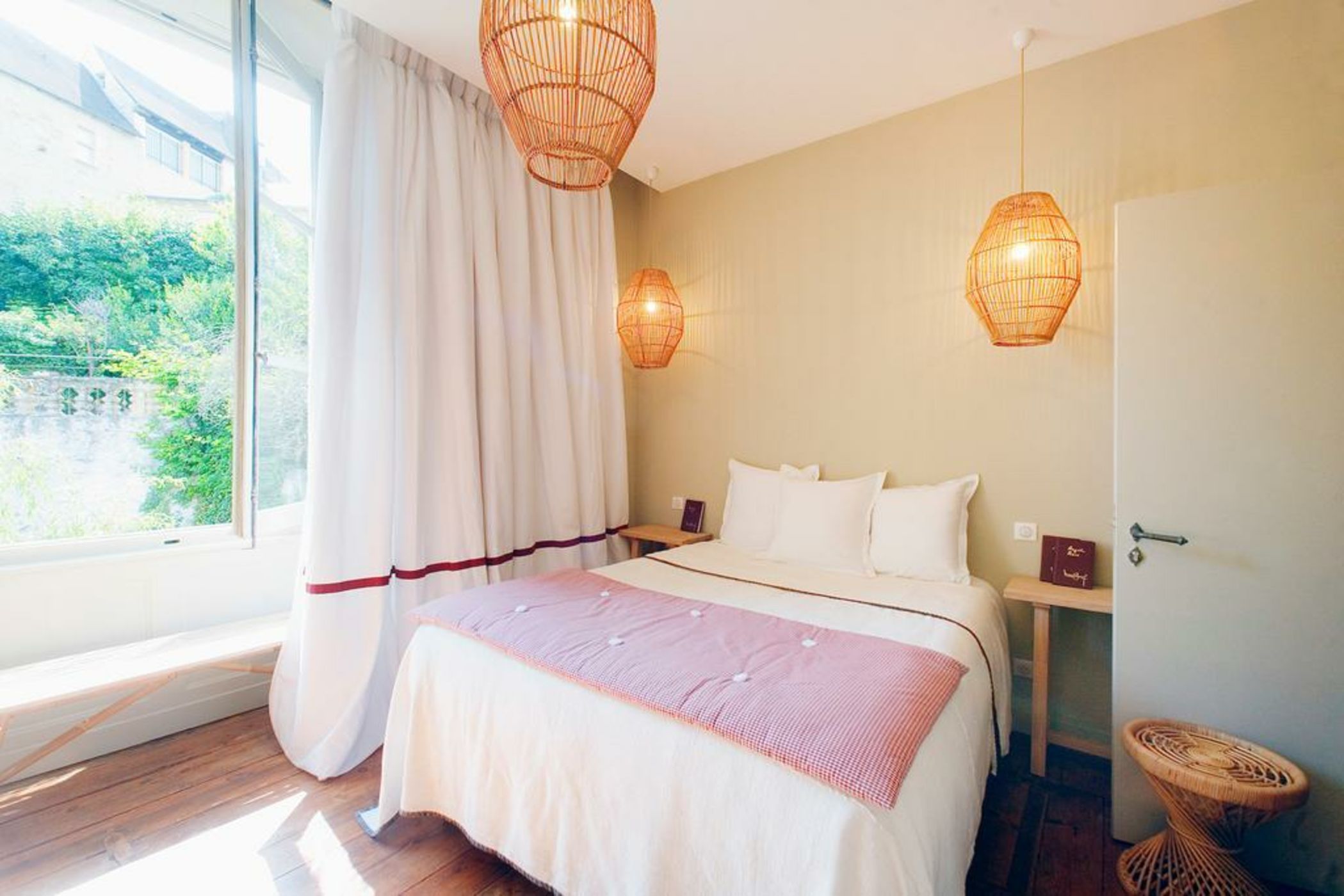
The Bed: The Center of the Hotel Experience
The bed remains the most important physical element in a hotel room. A visually impressive bed does not necessarily guarantee good sleep, however. Mattress quality, pillow choice, linen texture, bed height, temperature control, and room noise all contribute to the final experience.
Travelers should pay attention to descriptions mentioning mattress types, pillow menus, bedding materials, and blackout curtains. If those details are not listed, reviews can sometimes reveal more than promotional photography.
Room orientation matters too. A bed positioned directly beside a busy corridor may expose the sleeper to repeated door sounds. A room facing an active street may provide a spectacular urban view while sacrificing quietness. Conversely, a courtyard-facing room may offer less visual drama but greater nighttime tranquility.
The correct choice depends on personal priorities. There is no universal definition of the perfect hotel room. The objective is to identify the combination that best supports the purpose of the trip.
Lighting: The Hidden Luxury of a Good Room
Lighting is one of the most underestimated characteristics of hotel design. A room can look impressive during daylight photography yet feel uncomfortable at night if the lighting is poorly distributed.
Ideally, a hotel room should offer several layers of light. General lighting illuminates the room, bedside lamps provide focused light, bathroom lighting supports grooming, and accent lighting creates atmosphere. The ability to control these layers independently is especially useful.
Warm lighting often works well for evening relaxation, while brighter task lighting is valuable for reading, packing, or working. Travelers who regularly work from hotel rooms should check whether the desk area receives adequate light without creating screen glare.
Bathrooms as a Major Quality Indicator
The bathroom frequently reveals the real quality of a hotel room. Beautiful bedroom styling can create a strong first impression, but a poorly designed bathroom can quickly change the experience.
Look for counter space, towel placement, ventilation, shower dimensions, lighting around the mirror, and separation between wet and dry areas. A walk-in shower may be convenient, but its quality depends on drainage, water pressure, temperature control, and the amount of usable space around it.
Bathrooms also provide important clues about renovation quality. Modern fixtures installed alongside damaged surfaces may indicate that cosmetic improvements were prioritized over deeper maintenance. Conversely, simple materials can look excellent when they are clean, well-maintained, and thoughtfully installed.
For longer stays, storage becomes increasingly important. A bathroom that looks beautiful but has nowhere to place toiletries can become frustrating after several days.
Storage and the Difference It Makes
Storage is not visually dramatic, which explains why it receives less attention in hotel photography. Yet it strongly influences comfort. A traveler should ideally be able to unpack without leaving clothing scattered across chairs and luggage.
Look for wardrobes, drawers, shelves, luggage benches, and open hanging areas. Families need considerably more storage than solo travelers, while business travelers may need a convenient place for suits, shirts, equipment, and documents.
For a multi-city trip, efficient storage becomes even more valuable. Constantly moving between hotels means the traveler wants to unpack and repack quickly. A room with intuitive storage reduces the time required to prepare for departure.
The Importance of Room Orientation
Two rooms with identical interiors can feel completely different depending on their orientation. Street-facing rooms may provide energy and views, while courtyard rooms can feel more private. Upper floors may provide broader perspectives, whereas lower floors can offer easier access.
In Paris, a window overlooking rooftops can become part of the travel experience. In coastal cities, a sea-facing orientation may transform the room into a visual extension of the destination. In historic neighborhoods, even an ordinary street can provide an interesting sense of place.
However, views should be evaluated realistically. A phrase such as “city view” can describe anything from a dramatic panorama to a narrow glimpse between neighboring buildings. When the view matters, travelers should look for precise descriptions or ask the property directly.
Space Efficiency in Urban French Hotels
Urban hotels frequently operate within existing buildings, which means room layouts may not follow the predictable geometry of modern construction. This can produce charming architectural details, but it can also create unusual corners, narrow passages, or compact bathrooms.
The solution is not necessarily to seek the largest room. A smaller room with excellent circulation can feel more comfortable than a larger room filled with poorly positioned furniture.
Measure the experience rather than the number of square meters. Can you open your luggage? Can you move around the bed without obstruction? Can you use the desk? Can two people prepare for the day simultaneously?
These practical questions are often more revealing than the headline room size.
Choosing Between Boutique and Large Hotels
Boutique hotels often appeal to travelers who value individuality, architectural character, local design, and a more intimate atmosphere. Large hotels may offer broader facilities, multiple dining options, larger public areas, extensive service teams, and more predictable operational systems.
Neither format automatically guarantees a better stay. The correct choice depends on the traveler and the itinerary.
A boutique hotel may be particularly appealing for a short city break where the property itself forms part of the experience. A larger hotel can be useful when the trip involves children, business meetings, multiple services, or a need for extensive on-site facilities.
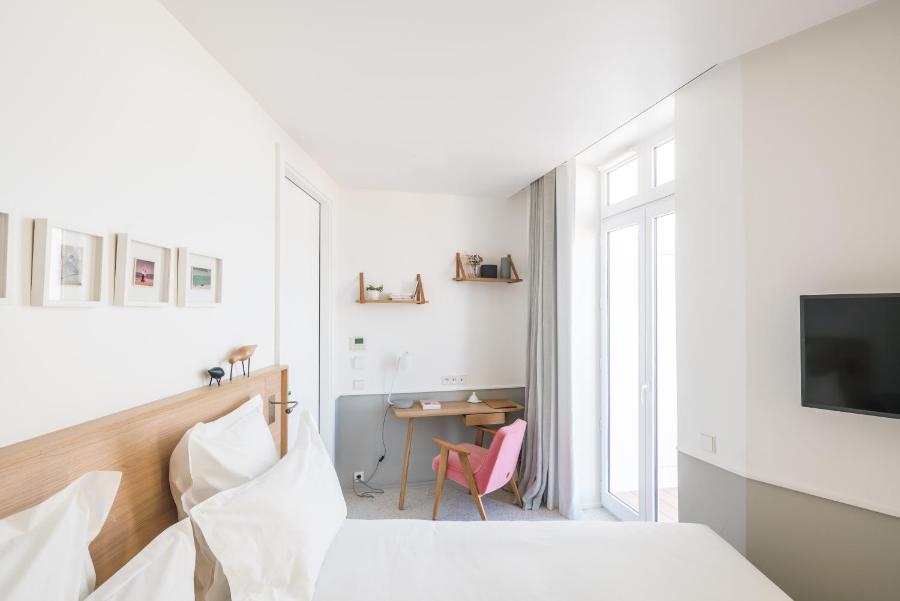
How Location Changes the Meaning of Comfort
A hotel room should never be evaluated separately from its location. A luxurious room far from the activities that matter to you may produce more daily inconvenience than a simpler room in a strategically useful neighborhood.
For Paris, proximity to public transportation, major attractions, restaurants, and the specific neighborhoods on your itinerary can save significant time. For Nice, the relationship between the hotel, the waterfront, the old town, and transport connections can influence the entire rhythm of the visit.
Lyon rewards travelers who understand the relationship between districts, cultural attractions, dining areas, and transportation. Marseille requires additional consideration because the city combines dense urban areas with coastal destinations and excursion opportunities.
Location is therefore an amenity. It does not appear on the bed, but it affects every day of the trip.
Transportation Strategy Before Booking
Transportation should be considered before finalizing a hotel because a convenient room can become inconvenient if arrival and departure logistics are complicated.
Travelers arriving by car should investigate parking arrangements before booking. Hotel parking may be limited, expensive, or located away from the property. In some urban areas, public transportation may be more practical than driving.
If a vehicle is genuinely useful for the itinerary, compare Car rentals in Paris with alternatives. A rental vehicle can be useful for regional exploration, but it may add complexity during the urban portion of a trip.
For wider itineraries, Car rentals in France can be evaluated according to pickup location, driving distance, parking availability, and whether the route actually requires a car.
Nice can be particularly interesting for travelers combining a city stay with excursions along the coast or into surrounding areas. In such cases, comparing Car rentals in Nice may help create a more flexible itinerary.
Airport Planning and the First Night
The first hotel night deserves special attention because arrival conditions can be very different from the rest of the journey. After a long flight, complicated transfers and late-night navigation can quickly become exhausting.
Travelers flying into Paris should consider the relationship between the airport, hotel, arrival time, and planned activities. Reviewing Flights to Paris Charles de Gaulle Airport (CDG) can be part of a larger arrival strategy rather than a separate booking decision.
A strategically located first-night hotel can allow travelers to recover before beginning an ambitious sightseeing schedule. Similarly, the final night may benefit from easier airport access if the departure flight is early.
Noise and Privacy: The Invisible Side of Luxury
Noise is one of the most difficult hotel characteristics to evaluate before arrival. A room may look perfect but still feel uncomfortable if sound travels easily through walls, corridors, elevators, or windows.
When reading reviews, pay attention to repeated references to street noise, hallway sounds, neighboring rooms, elevators, nightlife, or construction. One isolated comment may not represent the general experience, but repeated patterns can be useful.
Room position can sometimes reduce exposure to noise. End-of-corridor rooms, courtyard rooms, or rooms away from elevators may offer greater privacy, although building design varies.
French Hotel Design and the Psychology of Comfort
Good hotel design works psychologically as well as visually. Soft materials reduce visual harshness. Balanced proportions make rooms feel stable. Warm lighting encourages relaxation. Natural materials can create a sense of connection with the environment.
French interiors often succeed by combining structure with softness. Architectural details provide identity, while textiles, upholstery, curtains, and lighting soften the overall composition.
This balance can be especially effective in bedrooms because the space has two simultaneous functions: it must be visually memorable and physically restful.
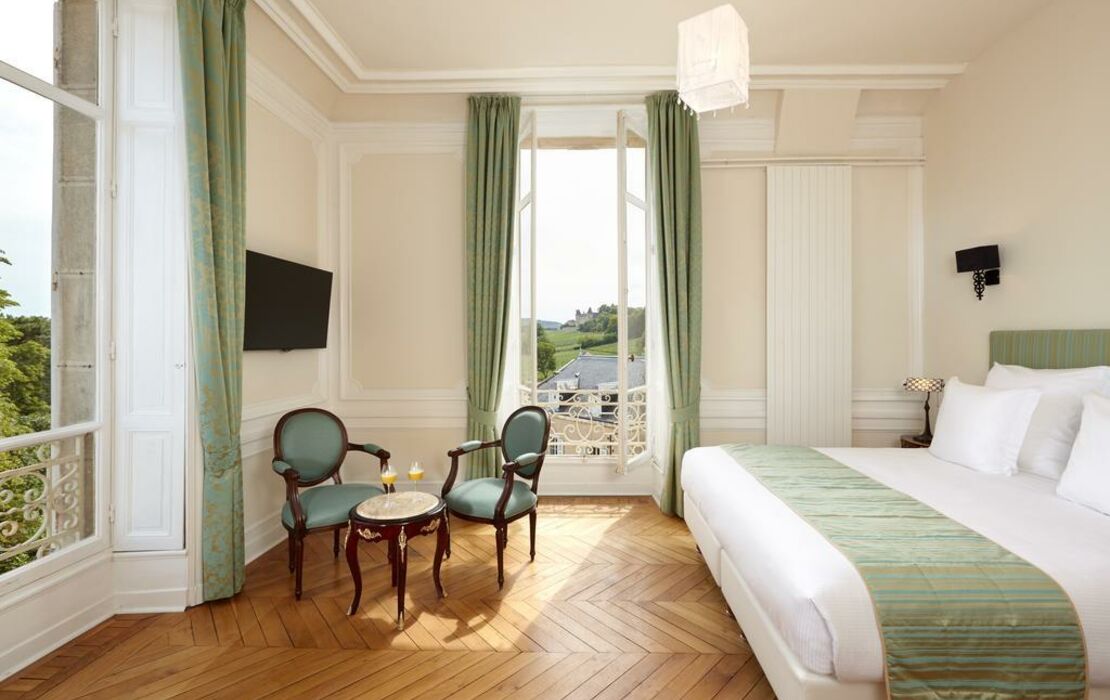
Natural Light and the French Hotel Experience
Natural light is one of the most valuable characteristics of a hotel room. It changes how colors appear, makes compact rooms feel larger, and creates a stronger relationship between the interior and the destination.
Large windows can be especially attractive in French hotels because historic architecture often provides tall openings and strong vertical proportions. However, light should be considered together with privacy and thermal comfort.
Travelers sensitive to morning sunlight should check whether the room has blackout curtains. Those who enjoy waking naturally may prefer a brighter orientation.
The ideal room gives travelers control. Curtains should be easy to operate, windows should be functional where appropriate, and lighting should support both bright mornings and calm evenings.
Balconies, Terraces and Outdoor Space
Outdoor space can significantly increase the value of a hotel room, especially in destinations where the climate encourages time outside. A balcony may provide a private place for morning coffee, reading, or watching the city change throughout the day.
But not every balcony has equal practical value. A narrow standing balcony facing a busy street should not be evaluated like a spacious private terrace overlooking the sea or countryside.
Look for the actual dimensions, furniture, privacy, orientation, and view. A terrace that is technically private but directly visible from neighboring rooms may feel less private than expected.
Workspace Design for Modern Travelers
The distinction between leisure and business travel has become increasingly flexible. Many travelers answer emails, attend online meetings, manage businesses, or organize digital projects while staying in hotels.
A proper workspace should include a comfortable chair, adequate desk depth, accessible power, suitable lighting, and enough distance from the bed to create psychological separation between work and rest.
Small design details matter. A desk placed in a dark corner may technically exist but provide little value. A chair that looks attractive but offers no support can become uncomfortable quickly.
Travelers who work frequently should treat workspace quality as a core room criterion rather than an optional feature.
Families and Multi-Person Stays
Family travel changes the definition of comfort. Adults may prioritize design, while children need usable floor space, easy access to bathrooms, safe furniture placement, and practical sleeping arrangements.
Connecting rooms can offer a useful balance between privacy and proximity. Suites may be valuable when a family expects to spend more time inside the property.
Storage also becomes critical because families carry more luggage. A room that feels spacious for one person can quickly feel crowded when multiple suitcases, coats, shoes, and children's belongings are added.
When evaluating a family stay, consider the room during the busiest moment of the day rather than the calm moment represented in a photograph.
Couples and Romantic Hotel Selection
For couples, atmosphere often becomes a more important factor. Lighting, views, bathroom design, privacy, seating, and room proportions can influence the emotional character of the stay.
However, romance does not necessarily require an extravagant suite. A thoughtfully designed room with good natural light, comfortable bedding, a quiet setting, and an attractive view can create a memorable environment without excessive decoration.
The strongest romantic spaces often rely on restraint. Soft textures, warm lighting, elegant proportions, and a sense of privacy can be more effective than an abundance of decorative objects.
Long Stays Require a Different Evaluation
A hotel that works perfectly for two nights may not work well for two weeks. Long stays expose weaknesses in storage, seating, laundry access, workspace, bathroom organization, and room layout.
For extended stays, investigate whether the property offers laundry services, practical storage, larger rooms, kitchen facilities where relevant, and comfortable seating outside the bed.
Neighborhood quality also becomes more important. For a long stay, access to supermarkets, pharmacies, cafés, transportation, parks, and everyday services can matter as much as proximity to major tourist attractions.
Seasonal Considerations
Hotel selection should change with the season. Summer travelers may prioritize air conditioning, balconies, outdoor spaces, and thermal comfort. Winter travelers may value heating, cozy interiors, good insulation, and convenient access to indoor attractions.
Spring and autumn often allow travelers to spend more time exploring neighborhoods on foot, making location and walkability especially useful.
Seasonal daylight also affects room orientation. A room that receives wonderful afternoon light in winter may become very bright and warm during summer afternoons.
How to Evaluate Value Instead of Price
The cheapest room is not always the least expensive option once all travel costs are considered. A hotel requiring long daily transfers can add transportation expenses and consume valuable sightseeing time.
Likewise, a slightly more expensive room may offer breakfast, better transportation access, parking, or a location that reduces the need for taxis.
Value should therefore be calculated as a combination of room quality, location, included services, transportation convenience, time savings, and overall comfort.
| Factor | What to Examine | Why It Matters |
|---|---|---|
| Location | Neighborhood, transit, attractions | Reduces daily travel friction |
| Bed | Mattress, pillows, bedding | Directly affects sleep quality |
| Lighting | Ambient, bedside and task lighting | Supports different activities |
| Bathroom | Shower, storage, ventilation, counter space | Improves everyday convenience |
| Storage | Wardrobe, drawers, luggage area | Keeps the room functional |
| Noise | Street, corridor, elevator, neighboring rooms | Influences rest and privacy |
| Workspace | Desk, chair, outlets, lighting | Supports modern travel needs |
| View | Orientation, windows, balcony | Enhances the sense of place |
| Transportation | Parking, transit, airport access | Simplifies arrival and movement |
The Role of Breakfast in the Hotel Experience
Breakfast is more than a meal when evaluating a hotel. It can influence the pace of an entire morning. A convenient breakfast service allows travelers to begin exploring without searching for food immediately after waking.
However, breakfast should be evaluated according to personal habits. Travelers who prefer discovering neighborhood bakeries may gain more from a room in an excellent location than from an expensive breakfast package.
Those with early tours or business appointments may value quick and flexible breakfast options more than an elaborate dining room.
Parking and Car-Based Travel
Driving through France can provide access to destinations that are difficult to reach by train, especially when exploring countryside, villages, wine regions, or coastal areas. But urban parking can complicate the experience.
Before selecting a hotel, determine whether parking is available, whether reservations are required, whether the parking is on-site, and whether the vehicle can be accessed conveniently.
For an itinerary combining cities and rural destinations, it can sometimes be efficient to stay car-free in major urban centers and collect a vehicle only when leaving the city.
This approach reduces unnecessary driving while preserving flexibility for regional exploration.
Comparing Hotels Across Multiple French Cities
A multi-city French itinerary should not use one rigid hotel-selection formula. Paris, Nice, Lyon, and Marseille have different rhythms, architectural patterns, transportation systems, and travel purposes.
In Paris, location and room orientation can dominate the decision. In Nice, light and outdoor space may become more important. Lyon can reward travelers who appreciate historic architecture combined with practical modern design. Marseille can offer a stronger relationship between hotel location and coastal exploration.
The best multi-city strategy is therefore adaptive. Identify the defining feature of each destination and use that feature as one of the primary hotel-selection criteria.
French Hotel Rooms as Part of the Destination
A memorable hotel room does not have to imitate the destination literally. Instead, it can interpret local characteristics through materials, colors, proportions, artwork, architecture, or views.
A Parisian room may reference classical architecture without becoming excessively ornate. A Mediterranean property may use natural textures and light colors without relying on clichés. A historic regional hotel may preserve architectural details while introducing contemporary furniture.
This creates a sense of authenticity without sacrificing modern comfort.
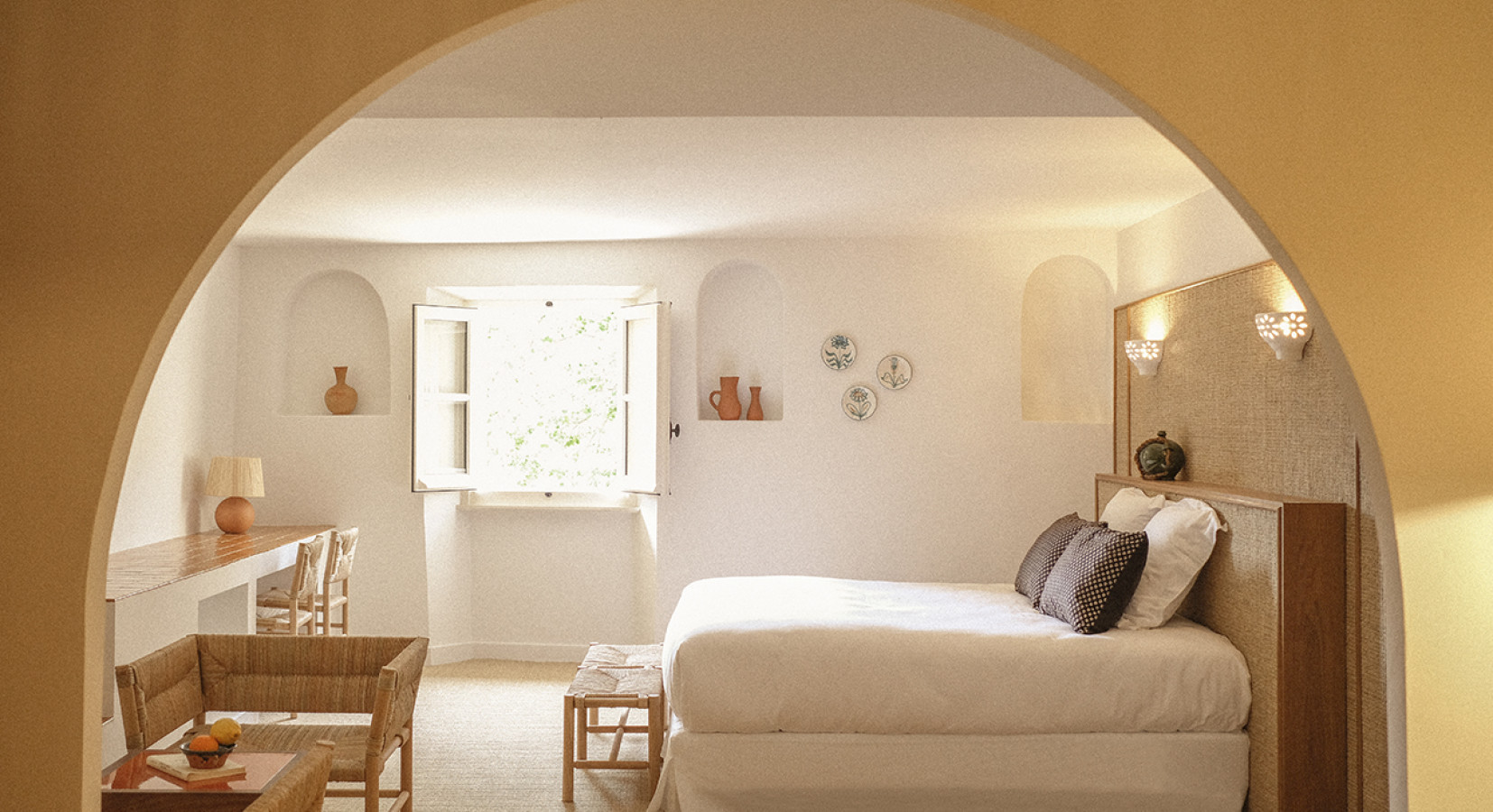
The Value of Negative Space
One of the strongest characteristics of sophisticated hotel design is the deliberate use of empty space. Not every wall needs artwork, not every corner needs furniture, and not every surface needs decoration.
Negative space allows important elements to become more visible. A beautiful headboard can feel more significant when it is not surrounded by excessive visual noise. A historic molding can become an architectural feature when furniture does not compete with it.
Travelers can use this principle when evaluating rooms. If the room looks calm and balanced in photographs, it may be easier to live in than a heavily decorated space, even if both rooms have similar dimensions.
Materials That Create a Sense of Quality
Materials strongly influence how a hotel room feels. Wood can introduce warmth, stone can communicate solidity, linen can create softness, metal can add refinement, and textured fabrics can provide depth.
Quality is not necessarily connected to expensive materials. Good design comes from appropriate combinations and careful maintenance.
For example, natural wood paired with simple textiles can create a refined atmosphere without visual excess. A restrained palette may allow architectural details to become the main feature.
What Reviews Can Reveal
Reviews are most useful when they are treated as a collection of patterns rather than isolated statements. One traveler may dislike a room because it is small, while another may consider the same room perfectly adequate because the location is excellent.
Look for recurring comments about specific issues: noise, cleanliness, mattress comfort, air conditioning, water pressure, room temperature, staff responsiveness, elevator access, and the accuracy of photographs.
Repeated practical observations are generally more useful for decision-making than broad emotional statements.
Questions to Ask Before Arrival
When a room choice is particularly important, direct communication with the hotel can eliminate uncertainty. Questions can include whether the room faces the street or courtyard, whether a balcony is private, whether the bathroom has a walk-in shower, whether the air conditioning is individually controlled, and whether luggage can be stored before check-in.
Travelers with mobility considerations should ask about elevators, stairs, bathroom configuration, entrance access, and distances within the property.
The goal is not to ask dozens of questions. It is to identify the few details that could materially change the quality of the stay.
Smart Travel Planning Around the Hotel
A hotel should support the itinerary rather than compete with it. If most planned activities are in one district, staying nearby can create more flexibility. If the itinerary is spread across several areas, a central transportation point may be more useful.
Think about the daily pattern. Where will the morning begin? Where will the afternoon be spent? Will you return to the hotel during the day? Will evenings end near the property or require transportation?
These questions help identify the best location without relying on generic descriptions such as “central” or “convenient.”
How to Build a Professional Hotel Shortlist
A shortlist of three to five properties is usually easier to evaluate than dozens of open browser tabs. Start with non-negotiable requirements, then compare the remaining properties according to secondary preferences.
For example, a traveler might require air conditioning, a private bathroom, and a quiet room. After filtering those requirements, they can compare location, design, breakfast, views, and price.
This approach prevents beautiful photography from distracting from essential needs.
Common Hotel-Booking Mistakes
One common mistake is booking based solely on the main photograph. Another is assuming that a higher category automatically means a better room. Travelers can also overlook transportation, parking, room orientation, and cancellation conditions.
Another frequent error is comparing nightly rates without comparing what is included. Breakfast, parking, taxes, transfers, and room upgrades can change the effective cost.
Finally, travelers sometimes choose a room that looks impressive but does not match their lifestyle. A huge bathtub may have little value to someone who prefers quick showers, while a beautiful balcony may be irrelevant to a traveler who spends all day outside.
The Five Visual Signals of a Well-Planned Room
When scanning hotel photographs, five visual signals deserve special attention:
- Clear circulation: furniture does not block movement.
- Layered lighting: the room appears usable during both day and night.
- Functional storage: wardrobes, drawers, and luggage areas are visible.
- Balanced proportions: the furniture fits the room rather than overwhelming it.
- Visual calm: decorative elements are coordinated rather than excessive.
These signals do not guarantee a perfect stay, but they provide useful evidence that the room was designed with practical use in mind.
Creating a Comfortable Daily Hotel Routine
The best hotel rooms support routine. After waking, travelers should be able to open curtains, access clothing, prepare for the day, and organize belongings without unnecessary movement.
During the evening, the room should transition naturally into a quieter environment. Bedside lighting, comfortable seating, curtains, temperature control, and easy access to personal items all contribute to this transition.
This is one reason thoughtful hotel design can feel luxurious even when the room itself is not enormous. Luxury is often the removal of small frustrations.
Sustainability and Modern Hotel Design
Sustainability is increasingly connected with hotel architecture and operations. Travelers may encounter properties that emphasize energy efficiency, reduced waste, local materials, water conservation, or adaptive reuse of historic buildings.
Good sustainable design does not necessarily mean sacrificing comfort. Efficient lighting, well-insulated windows, intelligent heating and cooling systems, durable materials, and thoughtful room layouts can support both environmental objectives and guest comfort.
Travelers interested in sustainability can examine the hotel's published practices while also looking for practical evidence in the room and property.
The Importance of Maintenance
Design ages differently depending on maintenance. A room with modest materials can remain attractive when surfaces are clean, furniture is intact, fabrics are fresh, and fixtures operate properly.
Conversely, an expensive interior can lose its appeal when small maintenance issues accumulate. Loose handles, damaged furniture, stained carpets, weak lighting, or worn bathroom fixtures can affect the experience disproportionately.
Recent photographs and current reviews can therefore be more informative than older promotional images.
Hotel Design for Digital Travelers
Modern travelers often carry phones, tablets, laptops, cameras, chargers, and other electronic equipment. Hotel rooms increasingly need to accommodate this digital ecosystem.
Accessible outlets, USB charging, reliable Wi-Fi, practical desks, and good task lighting have become important components of room functionality.
However, technology should support the space rather than dominate it. The most comfortable rooms integrate technology discreetly, allowing guests to use it when needed without making the entire environment feel like an office.
Why Simplicity Can Feel More Luxurious
Luxury does not always mean more. Sometimes it means fewer interruptions. A simple room with excellent bedding, quiet surroundings, controlled lighting, a beautiful view, and reliable temperature can feel more sophisticated than a heavily decorated suite filled with features that are rarely used.
This is particularly relevant when choosing between hotels with very different design philosophies. Ask which environment will help you feel comfortable after several hours of walking, sightseeing, meetings, or travel.
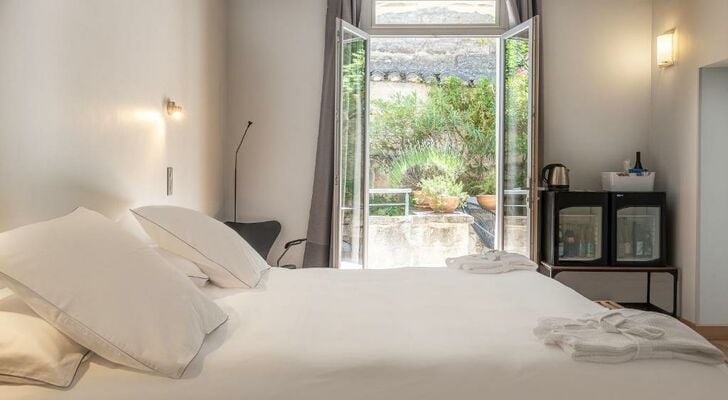
Making the Hotel Part of the Journey
Some travelers view the hotel as a practical base, while others see it as an integral part of the destination. Both approaches are valid. The important point is to select a property according to the role you want it to play.
If the hotel is mainly a place to sleep, prioritize location, quietness, cleanliness, and value. If the property is part of the vacation experience, pay greater attention to architecture, views, public spaces, dining, spa facilities, room design, and atmosphere.
This simple distinction can make the booking process much more efficient.
Building a Multi-City French Hotel Strategy
Travelers visiting multiple destinations should consider how each hotel contributes to the transition between cities. A first property might prioritize airport access, while a second focuses on sightseeing, and a third provides a slower coastal experience.
This creates a deliberate progression rather than a series of unrelated bookings.
It can also be useful to vary hotel styles. Staying in a classic urban property in Paris followed by a more contemporary room in Nice and a heritage-inspired property elsewhere can make the journey feel more diverse.
When Location Is More Valuable Than Room Size
Imagine choosing between a large room that requires a lengthy daily commute and a smaller room within easy reach of the places you want to explore. The larger room may appear to offer more value, but the smaller room could return hours of time across a multi-day trip.
Time is one of the most valuable resources during travel. A strategic location can reduce transportation, simplify spontaneous decisions, and make it easier to return to the hotel when needed.
This is why location should be evaluated in terms of the actual itinerary rather than the abstract concept of being “central.”
How to Think About Hotel Luxury
Luxury can be understood as a reduction in friction. It is the feeling of opening a curtain without struggling with it, finding an outlet exactly where you need one, placing luggage somewhere convenient, entering a well-lit bathroom, sleeping without disruptive noise, and waking in a room that feels organized.
High-end properties may deliver these benefits through premium materials and extensive service. Smaller hotels can sometimes deliver them through thoughtful design and attention to detail.
The underlying principle remains the same: comfort is created by hundreds of small decisions.
A Practical Hotel Selection Framework
Before booking, divide your decision into five layers: essential requirements, room comfort, location, services, and atmosphere.
Essential requirements include private bathroom, accessibility, air conditioning, Wi-Fi, room capacity, and other non-negotiable needs.
Room comfort includes bed quality, noise, lighting, storage, bathroom design, and workspace.
Location includes proximity to attractions, transit, restaurants, airport connections, and the neighborhoods relevant to the itinerary.
Services include breakfast, parking, luggage storage, reception hours, housekeeping, and additional facilities.
Atmosphere includes architecture, interior design, views, public areas, and the overall emotional character of the property.
Final Booking Checklist
- Confirm the exact room category.
- Check the approximate room size.
- Review recent room photographs.
- Check bed configuration and bedding information.
- Confirm bathroom type and shower configuration.
- Investigate noise-related reviews.
- Determine whether the room faces a street, courtyard, garden, or other area.
- Confirm whether a balcony or terrace is private.
- Check storage and luggage space.
- Review workspace availability if needed.
- Verify Wi-Fi availability.
- Check air conditioning or heating according to season.
- Review breakfast arrangements.
- Confirm parking if traveling by car.
- Check public transportation options.
- Review airport transfer possibilities.
- Compare cancellation conditions.
- Calculate the complete trip cost rather than only the nightly rate.
- Consider how the hotel fits the daily itinerary.
- Choose the room according to actual travel habits.
Frequently Asked Questions
What should I prioritize when choosing a hotel in France?
Start with non-negotiable requirements, then evaluate location, room comfort, noise, bathroom quality, storage, and transportation. Design and atmosphere should come after the practical fundamentals have been confirmed.
Are boutique hotels better for French city breaks?
Boutique hotels can provide distinctive architecture, personalized design, and intimate atmospheres, but larger hotels may offer more facilities and operational consistency. The best format depends on the traveler's itinerary and priorities.
How can I tell if a hotel room will be quiet?
Look for repeated comments about street noise, corridors, elevators, nightlife, and neighboring rooms. You can also ask whether the room faces a courtyard or street and whether sound insulation is available.
Is a larger hotel room always better?
No. A well-designed smaller room can be more comfortable than a larger room with poor circulation. Evaluate how easily you can move, store luggage, use the bathroom, and access the bed and workspace.
Should I choose a room with a balcony?
A balcony can add significant value if you expect to use it. Check whether it is private, furnished, large enough to sit comfortably, and positioned toward a worthwhile view.
What makes a French hotel room feel luxurious?
Luxury often comes from the combination of comfort, proportion, lighting, quietness, materials, service, and thoughtful functionality. Expensive decoration alone does not guarantee a luxurious experience.
How important is the hotel location?
Location can influence transportation time, daily convenience, restaurant access, sightseeing efficiency, and the overall rhythm of a trip. It should be evaluated against the actual itinerary rather than generic labels such as “central.”
Should travelers rent a car in France?
A car can be useful for regional and rural exploration, while major cities may be easier to navigate without one. Consider the complete itinerary, parking, driving distances, and public transportation before deciding.
A Smarter Way to Experience French Hospitality
The strongest hotel choice is rarely the one with the longest feature list. It is the property whose characteristics align naturally with the trip. A traveler spending long days exploring Paris may value a quiet, comfortable room in a strategic neighborhood. A coastal escape may revolve around light, outdoor space, and views. A business trip may depend on workspace, connectivity, transportation, and predictable service.
French hotels can offer extraordinary variety because they operate within equally varied architectural and cultural environments. Historic buildings, contemporary developments, renovated residences, coastal properties, countryside retreats, and urban boutiques can all create memorable experiences in completely different ways.
The key is learning how to evaluate them beyond the surface.
Start with the room. Examine the bed, bathroom, storage, lighting, workspace, windows, and circulation. Then examine the hotel. Consider service, breakfast, public areas, maintenance, parking, and transportation. Finally, examine the destination. Ask whether the location supports the way you intend to spend your days.
For travelers building a broader accommodation strategy, Hotels & Resorts in France can serve as a starting point for comparing destinations and planning a French itinerary around the type of stay desired.
The same principle applies when refining individual city choices. A Hotel in Paris should be considered in relation to neighborhoods and daily routes. A Hotel in Nice can be assessed through light, outdoor space, waterfront access, and regional mobility. Hotels in Lyon can be compared through heritage, dining, business convenience, and transport connections, while Hotels in Marseille can be viewed through the relationship between the urban environment and the Mediterranean coast.
Even broader travel decisions can be connected to the hotel strategy. A Hotel is not an isolated purchase; it is one component of transportation, accommodation, sightseeing, dining, and recovery.
For travelers planning a road-based itinerary, Car rentals in Paris may be relevant for the portion of the journey outside the capital, while Car rentals in France can be considered when comparing broader regional routes.
Travelers extending a coastal itinerary may also examine Car rentals in Nice, particularly when the plan includes destinations beyond the immediate city area.
Arrival planning should receive the same level of attention. Reviewing Flights to Paris Charles de Gaulle Airport (CDG) alongside hotel location and transfer arrangements can create a smoother first day.
The Final Room-Selection Formula
A useful final formula is simple: choose the room that minimizes inconvenience while maximizing the aspects of travel you personally value.
If sleep is your priority, focus on the bed, noise, temperature, and blackout capability. If the destination is your priority, focus on location and transportation. If design is central to the experience, investigate architecture, materials, lighting, and room character. If you are traveling for work, prioritize workspace and connectivity. If you are staying for an extended period, emphasize storage, seating, neighborhood services, and everyday practicality.
There is no universal hotel room that satisfies every traveler equally. The most successful booking is the one that reflects the real structure of your trip.
French hospitality becomes particularly rewarding when travelers look beyond the basic question of where they will sleep. A hotel can be a quiet refuge after a long day, a design experience, a practical base for exploration, a place to work, a setting for a special occasion, or simply an efficient home between adventures.
The most memorable stays often result from small choices made before arrival: selecting the right neighborhood, requesting the appropriate orientation, confirming the room configuration, understanding transportation, and choosing amenities that genuinely match the itinerary.
Once those choices are made deliberately, the hotel stops being an afterthought. It becomes part of the architecture of the journey itself.


Comments
Post a Comment