Showing posts with label Women Clothing. Show all posts

Wednesday, September 23, 2026

The Modern Guide to Women’s Tops: Building a Versatile, Elegant, and High-Performance Wardrobe

The Modern Guide to Women’s Tops: Building a Versatile, Elegant, and High-Performance Wardrobe

The Strategic Role of Women’s Tops in a Modern Wardrobe

A well-designed wardrobe does not need to contain hundreds of garments to provide hundreds of outfit possibilities. The real value comes from choosing pieces that can perform several functions while maintaining a consistent visual identity. Women’s tops are especially important because they sit at the center of everyday dressing. A single top can change the personality of trousers, denim, skirts, tailoring, knitwear, or layered outerwear without requiring a complete wardrobe change.

For this reason, the modern approach to shopping for women’s tops is less about collecting random designs and more about creating a balanced system. A practical wardrobe may combine dependable cotton basics, relaxed oversized silhouettes, fitted ribbed styles, long-sleeve layers, polished V-neck blouses, and refined satin button-ups. Each category answers a different styling requirement, and together they create a foundation that works across casual, professional, travel, social, and transitional settings.

A dependable Women's Classic Cotton T-Shirt illustrates this principle perfectly. It can function as a standalone garment during warm weather, a base under a jacket, or a relaxed layer beneath knitwear. The important consideration is not simply whether a top looks attractive in isolation, but whether it creates useful combinations with garments already present in the wardrobe.

Wardrobe principle: The strongest top collection balances comfort, silhouette, fabric performance, color compatibility, occasion flexibility, and ease of care rather than focusing on appearance alone.

Understanding the Six Core Top Categories

Different top silhouettes create different proportions. Understanding these distinctions makes shopping more deliberate and styling more efficient. A fitted ribbed top, for example, behaves very differently from an oversized crew neck. A satin blouse introduces a different level of visual polish compared with a cotton T-shirt. Neither category needs to replace the others; their strength comes from serving different roles.

1. Classic Cotton T-Shirts

Cotton T-shirts are among the most useful pieces in a modern wardrobe because their visual simplicity allows other garments to take the spotlight. A clean neckline and balanced shoulder seam can make a basic T-shirt look polished with tailored trousers, while the same garment can become relaxed when paired with denim and sneakers.

When selecting cotton basics, examine fabric density, softness, recovery, neckline construction, sleeve proportion, and overall length. Very thin fabric may feel comfortable but can appear less structured after repeated wear. A moderately substantial fabric can provide better shape and make the garment suitable for both standalone wear and layering.

2. Oversized Crew Neck Tops

Relaxed silhouettes have become an important part of contemporary dressing because they offer visual ease and physical comfort. A Women's Oversized Crew Neck T-Shirt can create a casual statement without relying on complicated graphics or excessive decoration.

The key to wearing oversized tops successfully is proportion. A generous top can work particularly well with slim or straight trousers, fitted skirts, leggings, or structured shorts. Alternatively, an oversized top can be balanced with another relaxed piece when the desired look is intentionally loose and contemporary. The goal is to make the volume look deliberate rather than accidental.

3. Ribbed Short Sleeve Tops

Ribbed fabrics introduce texture and visual structure. The vertical pattern created by rib construction can give a simple silhouette more dimension while helping the garment maintain a close relationship with the body. A Women's Ribbed Short Sleeve Top can therefore occupy an interesting middle ground between a basic T-shirt and a more formal blouse.

Ribbed tops work particularly well with high-waisted trousers, denim, midi skirts, layered jackets, and lightweight cardigans. They can also serve as transitional pieces when temperatures change during the day. Because the fabric has texture, accessories can remain relatively simple while still creating a visually complete outfit.

4. Long Sleeve Basics

Long sleeve tops add seasonal flexibility. A Women's Long Sleeve Basic Top can function as a primary garment during mild weather and as a base layer when temperatures fall.

The most useful long-sleeve design is usually one that is neither extremely loose nor excessively tight. A balanced cut makes it easier to wear underneath blazers, coats, vests, overshirts, and knitwear. Neutral colors are especially versatile, while richer seasonal shades can add personality without requiring complicated styling.

5. V-Neck Blouses

A V-neck changes the visual line of an outfit by creating an open area around the neckline. This makes the silhouette feel different from a crew neck without requiring dramatic design details. A Women's V-Neck Blouse can therefore move naturally between business-casual combinations, dinner outfits, and elevated daytime styling.

6. Satin Button-Up Blouses

Satin introduces surface shine, fluid movement, and a more refined appearance. A Women's Satin Button-Up Blouse can elevate simple trousers or denim because the fabric itself contributes visual richness.

Satin is particularly useful when an outfit needs sophistication without additional decoration. The blouse can be worn tucked into tailored pants, partially tucked into jeans, layered under a blazer, or styled open over a simple base layer.
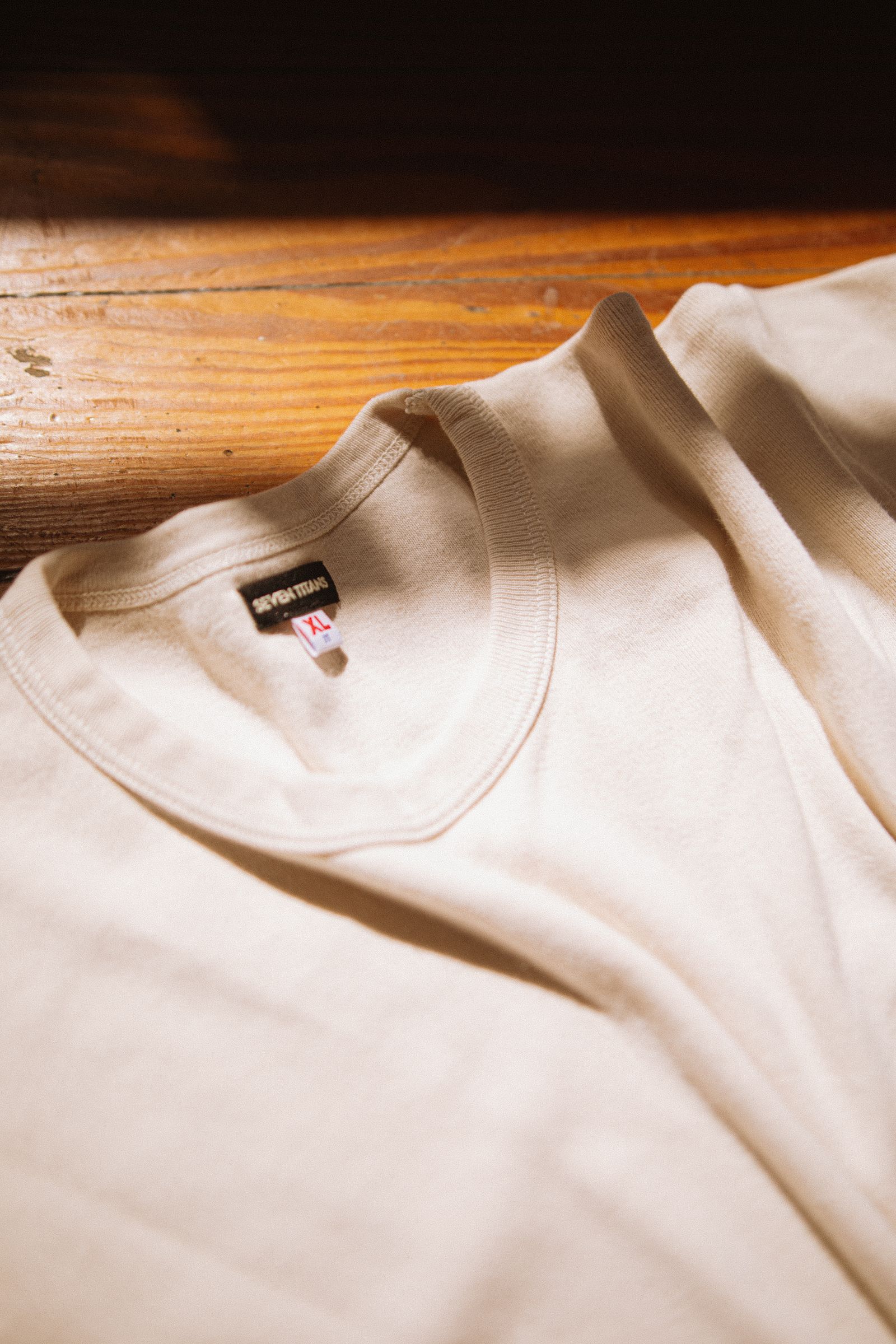
Minimalist white cotton T-shirt flat lay without people
Minimalist cotton styling and clean wardrobe composition.

Fabric Selection: The Foundation of Comfort and Performance

Fabric selection influences almost every practical characteristic of a top. It affects breathability, drape, softness, durability, wrinkle behavior, color appearance, and maintenance requirements. Two tops can have similar silhouettes but behave completely differently because their fabrics are different.

Cotton and Cotton-Rich Fabrics

Cotton remains a natural choice for everyday basics because it can provide a familiar hand feel and versatile appearance. The final performance depends on fiber quality, yarn construction, fabric weight, finishing, and blending. A heavier cotton jersey can create structure, while a lighter jersey may feel more relaxed and breathable.

For everyday wardrobes, cotton basics are particularly useful when the wearer wants predictable styling. White, black, navy, gray, cream, and muted earth tones can support numerous combinations. The best color depends on the rest of the wardrobe, complexion preferences, existing bottoms, and intended occasions.

Ribbed Knits

Ribbed construction adds elasticity and texture. The amount of stretch varies significantly, so shoppers should examine how quickly the garment returns to shape after movement. A quality ribbed top should support the intended silhouette without looking overly distorted around seams or neckline areas.

Satin and Smooth Woven Fabrics

Satin has a reflective surface that catches light differently from matte cotton or jersey. This characteristic makes it useful for evening dressing and elevated daytime outfits. Because the fabric is visually expressive, it can often replace additional embellishment.

When buying satin blouses, pay attention to opacity, seam finishing, button quality, cuff construction, and the way the fabric falls around the shoulders. Smooth fabrics can reveal poor construction more readily than textured materials, so finishing details matter.

Blended Materials

Blends can be useful when manufacturers want to combine characteristics from different fibers. A blend may be designed for softness, stretch, durability, shape retention, or easier care. The correct choice depends on how the garment will be used rather than on the fiber name alone.

Top Category Typical Fabric Direction Main Function Key Features Best Styling Environment
Classic Cotton T-Shirt Cotton or cotton-rich jersey Everyday foundation Simple neckline, versatile fit, easy layering Casual, travel, daily wear
Oversized Crew Neck Jersey or soft knit Relaxed silhouette Extended volume, dropped or relaxed shoulder Casual and contemporary outfits
Ribbed Short Sleeve Stretch rib knit Textured fitted layer Vertical texture, close fit, stretch recovery Casual, smart-casual, layering
Long Sleeve Basic Jersey, cotton blend, or fine knit Layering and transitional dressing Full sleeves, adaptable fit, simple design Autumn, winter layering, travel
V-Neck Blouse Woven fabric or fluid blend Polished versatility Open neckline, clean drape, refined shape Office, dinner, smart-casual
Satin Button-Up Satin or smooth woven fabric Elevated dressing Fluid surface, buttons, polished finish Evening, events, refined daytime looks

How Fit Changes the Personality of an Outfit

Fit is one of the most influential variables in clothing. The same color and fabric can look completely different when the proportions change. A close-fitting top emphasizes a streamlined silhouette, while an oversized design creates volume and movement. Neither approach is universally appropriate; the right choice depends on the intended visual effect.

Shoulder placement is one of the first details to examine. On a structured top, the shoulder seam should create a deliberate line. On an oversized garment, the seam may intentionally sit lower. Sleeve width, body length, neckline depth, and hem shape should then work together.

Body length is equally important. Cropped tops can complement high-waisted bottoms, while longer tops can provide more coverage and work well with slimmer silhouettes. A mid-length top can be especially flexible because it can be tucked, half-tucked, or worn loose.

For a wardrobe intended to cover many occasions, it is useful to own different fits rather than buying every top in the same proportion. A relaxed crew neck, fitted ribbed top, and fluid blouse can each create a distinct outfit architecture.

Proportion

Balance top volume with the shape and rise of trousers, skirts, shorts, or denim.

Movement

Choose fabrics and cuts that allow comfortable arm movement and natural body motion.

Layering

Consider whether the top needs to fit beneath jackets, coats, cardigans, or overshirts.

Color Planning for a More Efficient Wardrobe

Color coordination is often more valuable than having a large number of individual designs. A wardrobe built around compatible colors can produce more combinations with fewer garments. This is especially useful when selecting women’s tops because tops interact visually with almost every bottom layer.

A practical strategy is to begin with foundational neutrals. White, ivory, black, charcoal, navy, beige, taupe, and soft gray can serve as anchors. From there, introduce accent colors according to personal taste and existing wardrobe requirements.

For a more sophisticated visual system, consider color temperature. Warm neutrals such as cream, camel, sand, and chocolate can create a softer palette, while cool neutrals such as gray, navy, and blue can create a cleaner contrast. Mixed palettes can work beautifully when one dominant tone is repeated across accessories or footwear.

A wardrobe can also be organized around three layers of color: foundation colors, supporting colors, and accent colors. Foundation colors should coordinate with most bottoms. Supporting colors can create variety without becoming difficult to style. Accent colors can be reserved for pieces such as satin blouses or textured tops that are intended to attract attention.
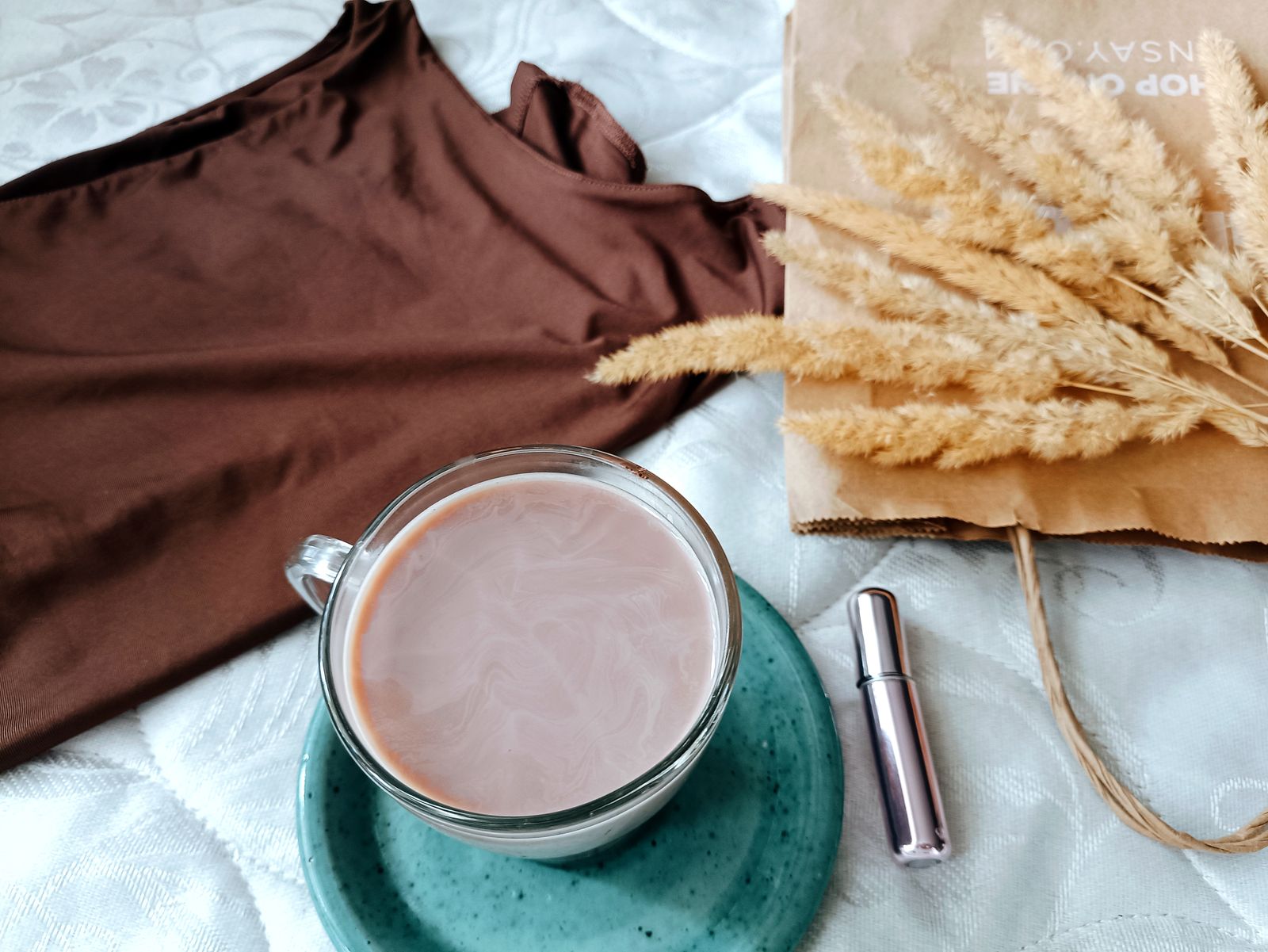
Aesthetic fashion flat lay with clothing and coffee, no people
A relaxed fashion composition illustrating contemporary wardrobe styling.

Creating Everyday Outfits with Basic Tops

Basic tops are powerful because they do not dictate the entire outfit. Instead, they provide a stable foundation that allows other pieces to become more prominent. This makes them especially valuable for people who want to simplify morning dressing without repeating exactly the same appearance.

Casual Denim Combination

Pair a clean cotton T-shirt with straight-leg denim and minimal footwear for an uncomplicated everyday outfit. The look can be adjusted through accessories, outerwear, and the choice of denim wash. A light neutral top creates an airy appearance, while a darker top can make the combination feel more grounded.

Relaxed Tailoring

Pair an oversized crew neck with tailored trousers for a modern contrast between softness and structure. The trousers provide polish while the relaxed top prevents the outfit from feeling excessively formal. A structured handbag and simple jewelry can reinforce the balance.

Textured Minimalism

A ribbed short sleeve top can be paired with wide-leg trousers or a midi skirt. Because the ribbed texture already provides visual interest, the rest of the outfit can remain restrained. This approach is especially useful when someone wants a refined outfit without obvious decoration.

Layered Neutral Dressing

A long-sleeve basic top can be worn beneath a sleeveless dress, blazer, vest, or overshirt. Neutral colors make the layer less visually distracting, while a contrasting shade can create a deliberate color block.

For shoppers building a broader wardrobe, browsing Women Clothing Brands can also help organize choices around different aesthetics, categories, and wardrobe needs rather than focusing on a single garment type.

From Office Hours to Evening Plans

One of the strongest characteristics of a versatile top is the ability to transition between environments. The transition does not always require changing the entire outfit. Often, a change of shoes, jacket, accessories, or styling technique is enough.

A V-neck blouse can be worn with tailored trousers during working hours and later paired with darker denim and refined accessories. The blouse remains the central garment, but the supporting pieces change the message of the outfit.

Satin button-up styles are particularly adaptable because they already carry a polished surface. During the day, they can be combined with structured trousers and understated accessories. For evening plans, the same blouse can be styled with a sleek skirt, statement earrings, or a more dramatic shoe.

Basic cotton tops can also transition successfully when the surrounding garments are elevated. A crisp blazer, tailored trousers, leather accessories, and polished footwear can transform the visual context of a simple T-shirt.
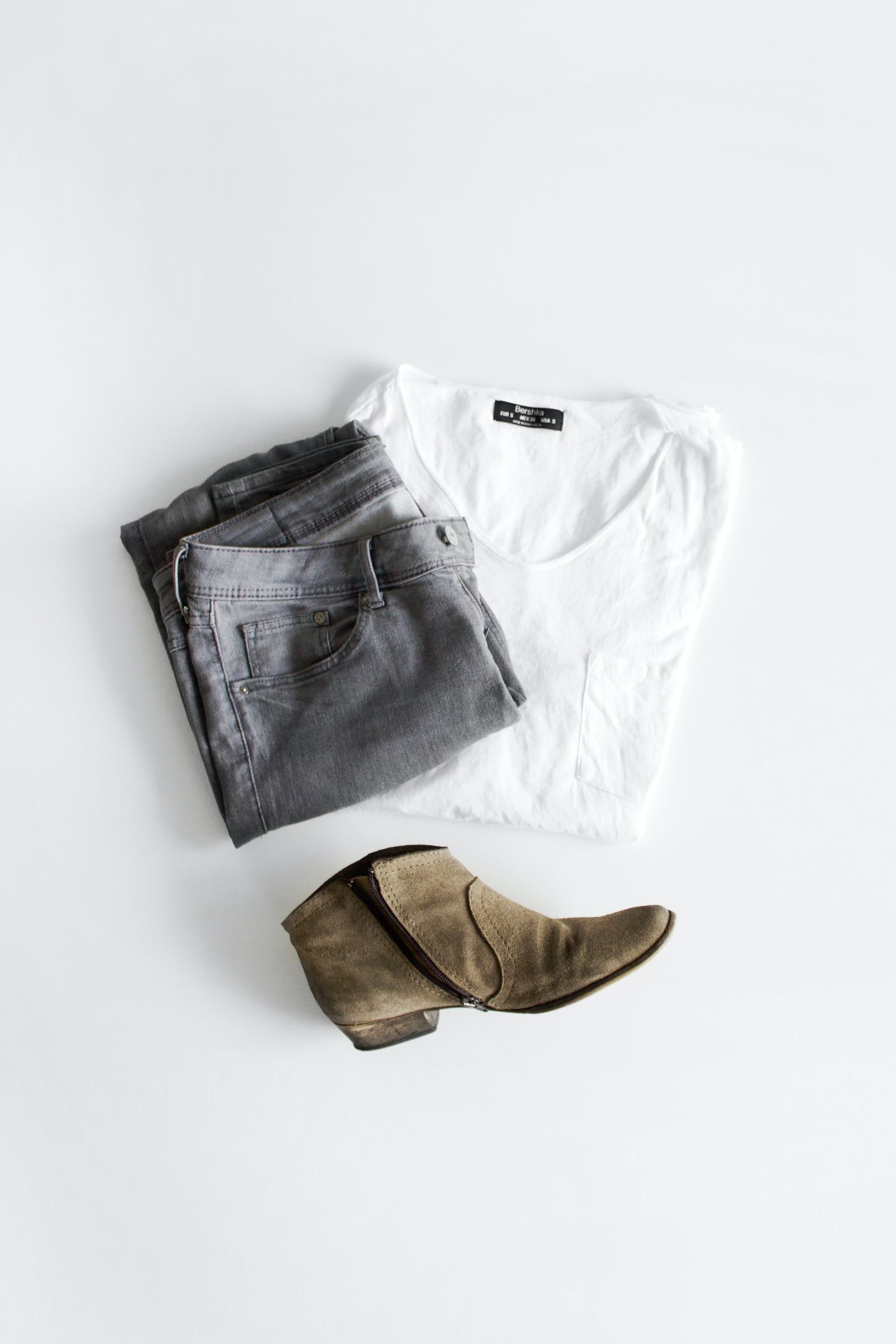
Neutral shirt and casual clothing flat lay without people
Neutral wardrobe pieces arranged for a clean, versatile fashion aesthetic.

Smart Shopping: What to Inspect Before Buying

Professional wardrobe building starts with evaluating construction rather than relying exclusively on photographs. Digital shopping can make this more difficult because fabric texture, weight, and finishing may not be immediately obvious. Reading product information carefully and examining available details can reduce unsuitable purchases.

Check the Neckline

The neckline should match both the intended style and the layering strategy. Crew necks are easy to layer and generally create a compact visual frame. V-necks open the upper silhouette and can create a more elongated appearance. Button-up collars offer additional styling possibilities because the neckline can be opened or closed.

Examine the Seams

Seam alignment can reveal important information about construction. Look at shoulder seams, side seams, sleeve attachment, cuffs, and hems. Consistent stitching and clean finishing usually contribute to a more polished garment.

Consider Transparency

Light-colored tops can vary significantly in opacity. A garment intended for standalone wear should provide the desired level of coverage under normal lighting. If a fabric is intentionally sheer, the wardrobe plan should include suitable layering options.

Evaluate Recovery

Stretch garments need to return to shape after movement. This is particularly relevant for ribbed tops and fitted basics. If the material remains visibly stretched around the neckline or seams, the garment may not maintain its intended appearance over time.

Think About Maintenance

A beautiful garment that requires impractical maintenance may receive less wear. Before buying, consider washing instructions, ironing requirements, drying methods, and storage. Easy-care basics often deliver substantial wardrobe value because they can be worn frequently.

For more refined styling, a satin blouse should be treated differently from a cotton T-shirt. Smooth woven fabrics may benefit from careful folding or hanging, while everyday jersey can often be folded without difficulty. The maintenance method should follow the garment’s construction and care label.

The Role of Layering in Seasonal Dressing

Layering transforms a wardrobe because it allows the same garments to perform across multiple temperatures. Tops are central to this system. A short sleeve can become a base under a jacket, while a long sleeve can become an intermediate layer under heavier outerwear.

During transitional weather, a ribbed short sleeve top can be combined with an open cardigan or lightweight overshirt. When temperatures rise, the outer layer can be removed without changing the base outfit.

Long sleeve basics are especially valuable when the wardrobe needs flexibility. They can be worn beneath blazers, sleeveless dresses, denim jackets, vests, and coats. Choosing smooth fabrics helps prevent unwanted bulk underneath structured layers.

Oversized tops require more planning because excessive volume can make layering uncomfortable. They are often most effective beneath relaxed outerwear or as the final top layer. By contrast, fitted basics can disappear comfortably underneath larger garments.

Layering rule: When the outer garment is structured or close-fitting, choose a smoother and more streamlined top underneath. When the outer layer is relaxed, a little more volume can be incorporated safely.

Styling Techniques That Multiply Outfit Possibilities

The number of outfits a wardrobe can create depends partly on styling techniques. A single top may produce several distinct looks simply by changing how it is tucked, layered, buttoned, or accessorized.

The Full Tuck

Tucking a top fully into trousers or a skirt creates a clear waistline and can make the outfit look more intentional. This technique works particularly well with medium-length or slightly relaxed tops.

The Half Tuck

A partial tuck introduces asymmetry and a more relaxed attitude. It can be useful with denim, tailored trousers, and oversized shirts. The technique should look deliberate rather than overly arranged.

The Open Button-Up Layer

A satin button-up blouse can be worn open over a fitted basic top. This creates two visible layers and allows the smooth outer fabric to become the focal point.

The Jacket Layer

A simple cotton T-shirt under a blazer creates a useful contrast between casual and structured elements. This is one of the easiest ways to increase the versatility of basic tops.

The Tonal Combination

Pairing different shades of the same color family can produce a refined appearance. For example, a cream top with beige trousers and a camel outer layer creates subtle depth without relying on strong contrast.

The Contrast Combination

A neutral top can also serve as a foundation for stronger colors. A white or black basic top allows colorful trousers, skirts, accessories, or outerwear to become the main visual focus.

Building a Capsule Collection of Women’s Tops

A compact capsule collection should be designed around real lifestyle requirements. Instead of choosing an arbitrary number of garments, consider how often the wardrobe is used for work, casual activities, social events, travel, and seasonal transitions.

A balanced collection might include several dependable basics, at least one relaxed silhouette, a textured option, a long-sleeve layer, and one or two polished blouses. The exact quantity depends on laundry frequency and personal preferences.

The objective is not minimalism for its own sake. The objective is reducing friction. When most tops coordinate with several bottoms, dressing becomes faster and purchasing becomes more intentional.

For example, a neutral cotton T-shirt can work with jeans, tailored trousers, cargo-style bottoms, shorts, and skirts. A ribbed top can support similar combinations while adding texture. A satin blouse can transform the same trousers into an elevated outfit. A long-sleeve basic can extend these combinations into cooler seasons.
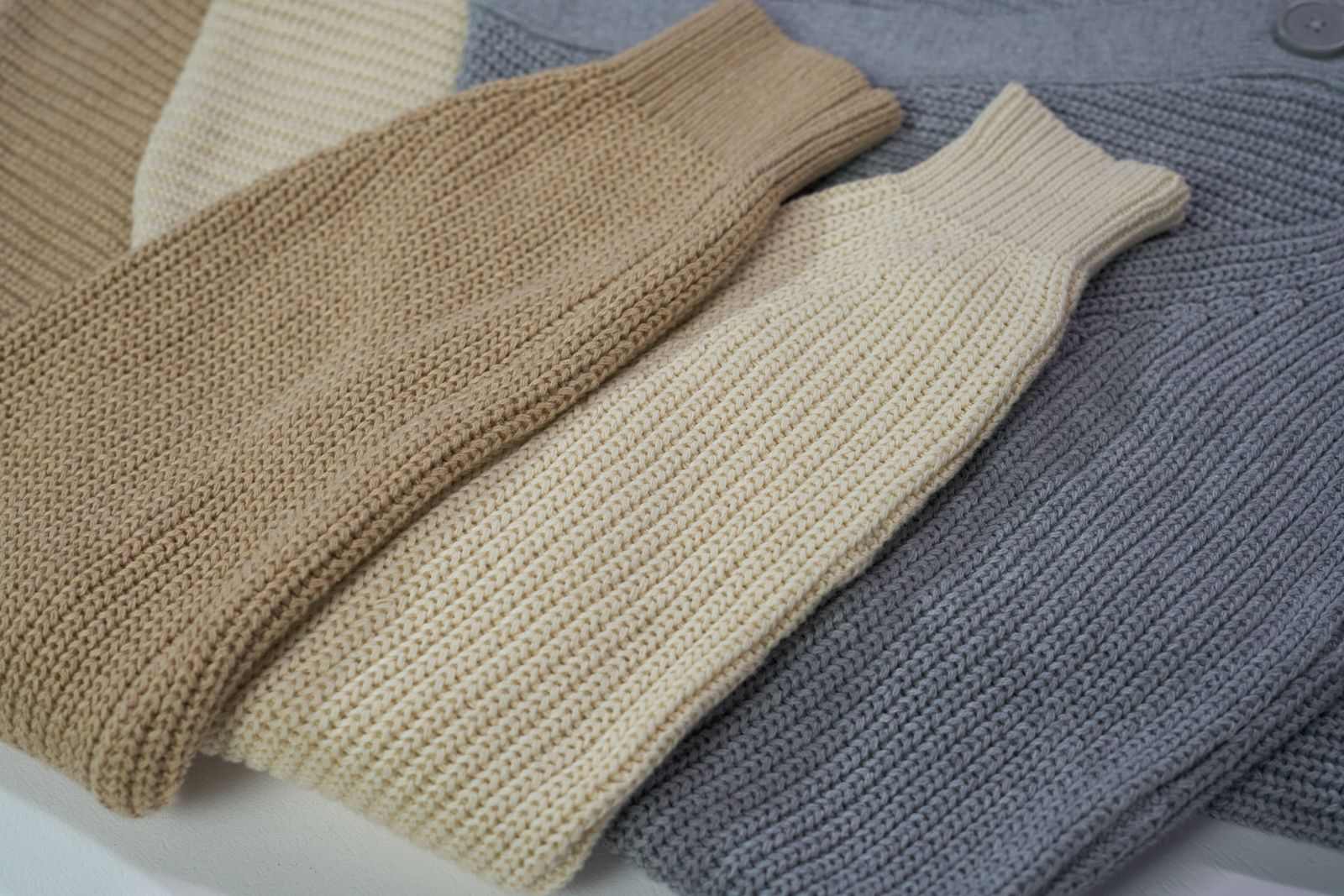
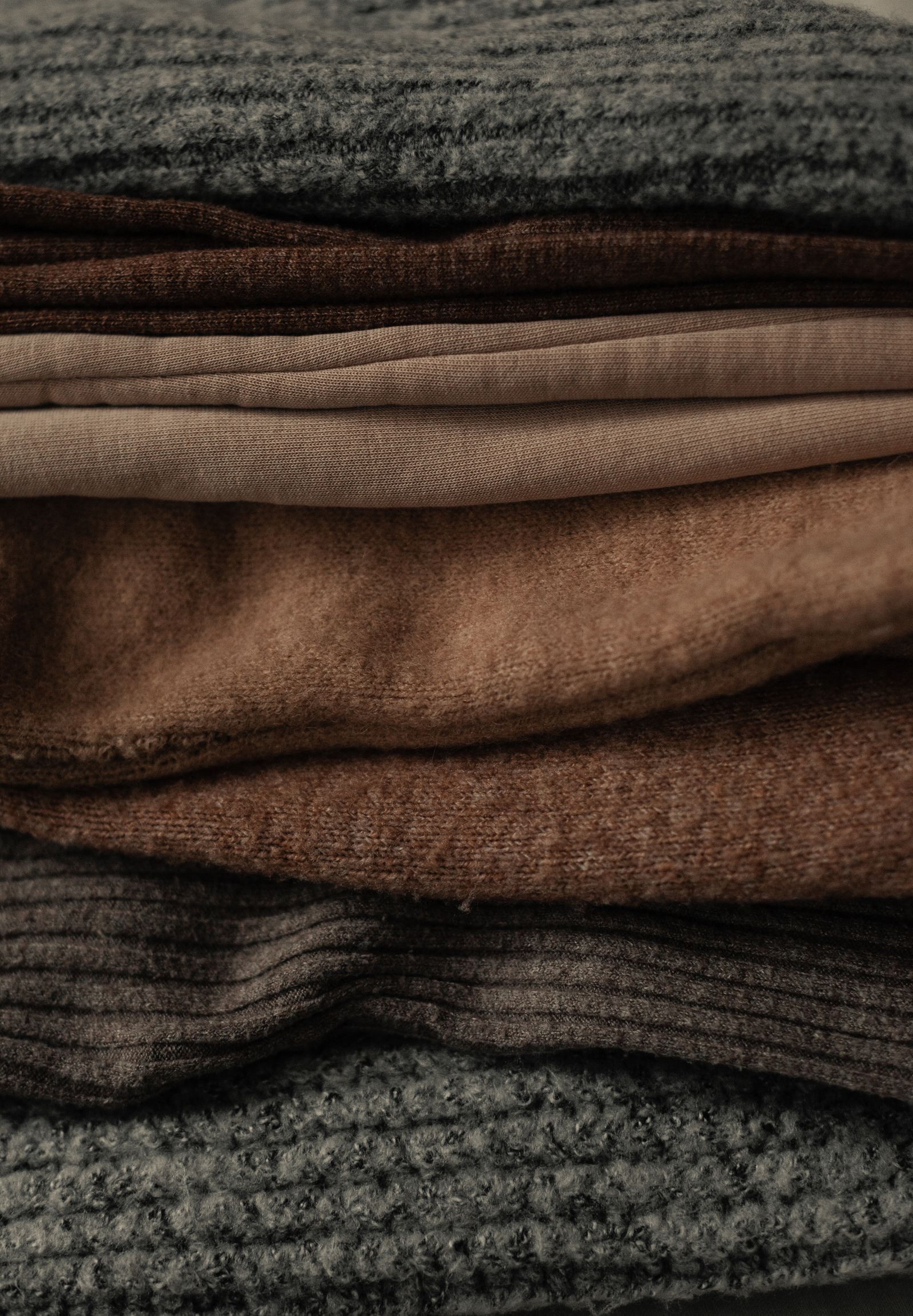
Folded textured clothing and knit fabric without people
Textile texture and neutral layering inspiration for seasonal wardrobes.

Travel-Friendly Tops and Packing Efficiency

Travel exposes weaknesses in a wardrobe system because every garment must justify the space it occupies. Tops with multiple styling possibilities are particularly valuable when luggage space is limited.

Neutral cotton basics can serve as reliable travel foundations. A single T-shirt may work with several bottoms and can be layered beneath outerwear. Ribbed tops add texture without taking much space, while a polished blouse can provide an elevated option for dinners or professional occasions.

Long sleeve basics can reduce the need for multiple seasonal pieces. They can be worn alone during mild weather or layered beneath jackets when temperatures drop. This makes them useful for destinations where weather changes throughout the day.

Satin button-up blouses should be packed strategically because their visual impact is high relative to their physical size. One well-chosen blouse can elevate multiple neutral outfits, making it an efficient travel piece.

When packing, roll or fold garments according to their fabric and construction. Avoid crushing delicate surfaces under heavy shoes or accessories. Use the garment’s natural folds where possible and allow structured pieces enough space to maintain their shape.

Care Practices That Protect Garment Appearance

Proper care can extend the useful life of tops and preserve their original appearance. The care label should always take priority because different fabric compositions require different methods.

Washing

Separating garments by color and fabric weight can reduce unnecessary wear. Dark colors may benefit from washing inside out, while delicate fabrics may require gentler cycles. Avoid using unnecessarily aggressive washing conditions for garments that do not need them.

Drying

Drying method can affect shape. Some knit tops may benefit from flat drying, while certain woven garments can be hung carefully. Excessive heat may affect fibers, elasticity, and finishing, so temperature recommendations should be followed.

Ironing and Steaming

Smooth woven fabrics often benefit from careful steaming because it can help remove wrinkles without requiring excessive direct heat. Cotton basics may tolerate more conventional ironing, but temperature settings should still match the garment.

Storage

Fold soft basics and store them in stacks that are easy to access. Hang garments that crease easily or benefit from maintaining their shoulder shape. Avoid overcrowding the wardrobe because compressed clothing can wrinkle and become difficult to inspect.

How to Combine Texture Without Creating Visual Clutter

Texture is one of the easiest ways to make a simple wardrobe look more sophisticated. Cotton jersey, ribbed knit, denim, satin, wool, linen, and leather each reflect light and create different tactile impressions.

A ribbed top with smooth tailored trousers creates a controlled contrast. Satin with denim creates a stronger contrast between polished and casual surfaces. Cotton with knitwear creates a softer layered effect.

The key is to give each texture enough visual space. If every garment has a strong texture, pattern, and finish, the outfit can become difficult to read. A textured top often looks strongest when paired with relatively simple supporting pieces.

This principle also applies to accessories. A satin blouse may already provide enough visual interest that simple metal jewelry and a clean handbag are sufficient. A plain cotton T-shirt, by comparison, can support a more expressive necklace, scarf, or structured jacket.
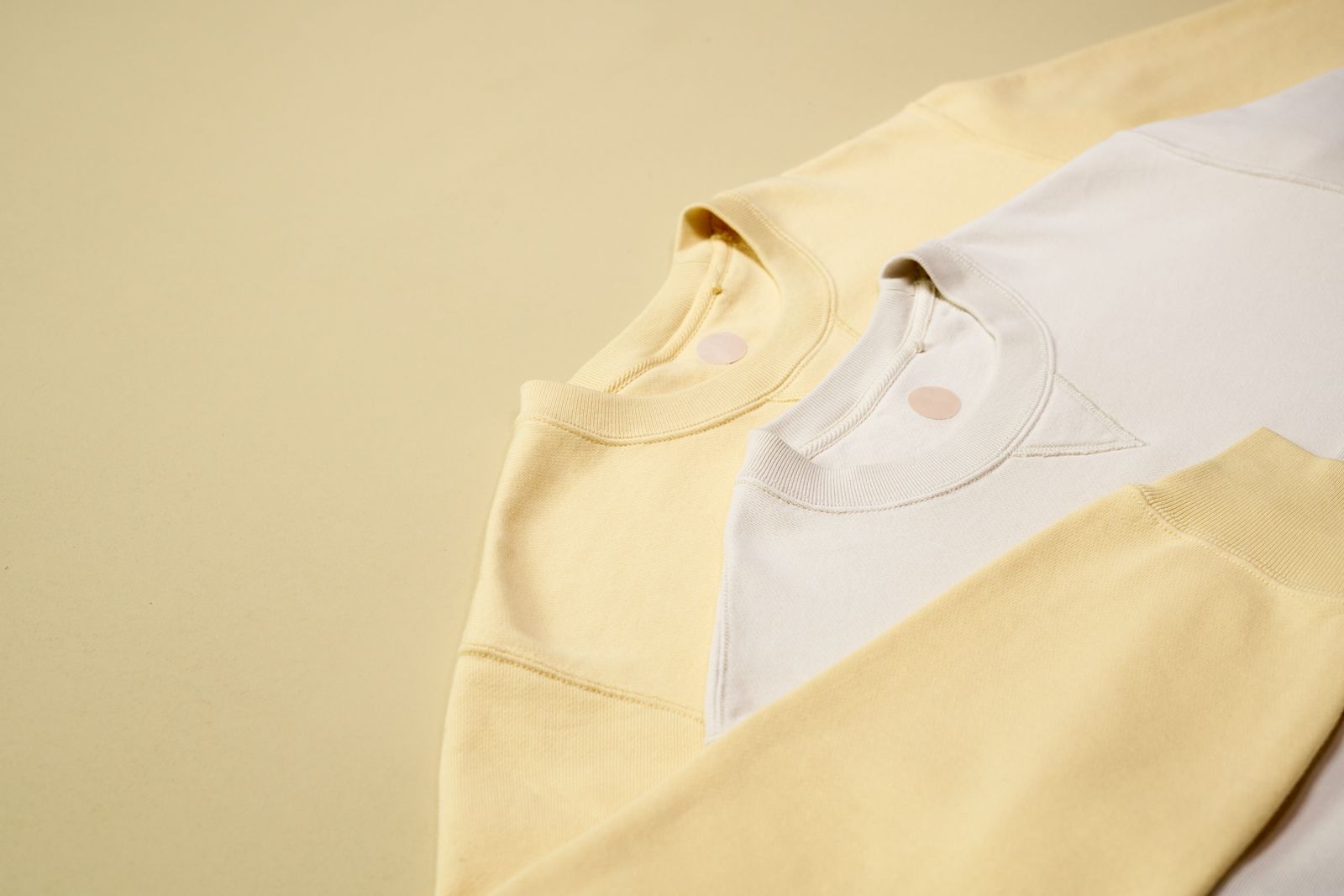
Pastel folded clothing arranged on a clean neutral surface without people
Soft neutral clothing tones supporting a clean and contemporary wardrobe concept.

Choosing Necklines for Different Styling Goals

Necklines influence the visual balance of the upper body and determine how easily a garment can be layered with jewelry, jackets, and scarves.

Crew necks create a compact and familiar shape. They are particularly effective for everyday basics because they are easy to layer and rarely compete with outerwear.

V-necks create a more open line and can make an outfit feel lighter around the face and neckline. They are useful when the desired look is slightly more polished without becoming formal.

Button-up necklines offer adjustable styling. A blouse can be worn fully buttoned for a more conservative appearance, partially open for relaxed styling, or completely open over another top.

High necklines can provide a sleek base beneath blazers and jackets, while scoop necks can create a softer alternative to crew necks. The best choice is ultimately the neckline that works with the wearer’s preferred proportions, layering habits, and existing accessories.

Modern Minimalism and the Value of Fewer Better Combinations

Minimalism in fashion does not necessarily mean owning very few clothes. It can mean making every garment easier to integrate. A wardrobe becomes more efficient when individual tops share compatible colors, proportions, and styling logic.

This is why a classic cotton T-shirt can be more valuable than an elaborate top that only works with one pair of trousers. Versatility creates repeated opportunities to wear the garment.

The same principle applies to quality. A top that maintains its neckline, shape, and color over repeated use can become a dependable part of the wardrobe. A garment that loses structure quickly may require replacement, reducing its practical value even if the initial purchase was inexpensive.

Smart wardrobe building therefore combines aesthetics with usage frequency. Before buying, ask whether the garment can work with at least several existing pieces, whether it suits the climate, whether its care requirements are manageable, and whether its silhouette fits the wearer’s normal lifestyle.

Professional Wardrobe Planning by Occasion

A useful way to organize tops is by the situations in which they will be worn. This creates a functional wardrobe map rather than a collection based only on visual attraction.

Daily Casual

Prioritize cotton T-shirts, ribbed tops, and relaxed crew necks. These pieces should be comfortable, easy to wash, and compatible with denim and casual trousers.

Smart Casual

Combine ribbed tops and V-neck blouses with tailored trousers, midi skirts, loafers, or structured accessories. The goal is balance rather than excessive formality.

Professional

V-neck blouses, refined long-sleeve tops, and satin button-ups can support polished combinations with tailoring. Color selection becomes especially important because restrained shades often coordinate easily with professional wardrobes.

Evening

Satin, fluid woven fabrics, elegant necklines, and refined accessories can create an evening-ready appearance. The supporting pieces can remain simple because the top itself provides visual sophistication.

Travel

Prioritize lightweight, versatile, easy-care garments. A small collection of coordinated tops can support numerous outfits when the color palette is intentionally planned.

These categories are not rigid. The same garment can belong to several groups, which is precisely what makes a wardrobe efficient.

Practical Features Worth Prioritizing

Fashion appeal matters, but practical details often determine whether a top becomes a wardrobe favorite. Consider features such as fabric recovery, neckline stability, sleeve construction, hem finishing, button security, opacity, and ease of maintenance.

For everyday T-shirts, neckline stability and fabric recovery are particularly important. For ribbed tops, elasticity and texture consistency deserve attention. For long-sleeve basics, sleeve length and layering compatibility are key.

For blouses, inspect buttons, cuffs, seam finishing, fabric drape, and opacity. Satin styles deserve additional attention because their smooth surface can make construction irregularities more noticeable.

Comfort

Soft hand feel, appropriate stretch, breathable construction, and unrestricted movement.

Versatility

Multiple outfit combinations, compatible colors, and useful layering potential.

Durability

Stable seams, reliable finishing, resilient fabric, and practical care requirements.

Frequently Asked Questions About Women’s Tops

What are the most useful women’s tops for an everyday wardrobe?

A practical collection usually includes several simple basics, at least one relaxed silhouette, a textured option, a long-sleeve layer, and one or more polished blouses. The ideal combination depends on lifestyle, climate, dress requirements, and personal style.

Are cotton T-shirts suitable for polished outfits?

Yes. A clean cotton T-shirt can work with tailored trousers, blazers, structured accessories, and refined footwear. Fabric quality, fit, neckline, and overall condition strongly influence how polished the final combination appears.

How can an oversized top look intentional?

Use proportion deliberately. Pair a relaxed top with a more streamlined bottom, define the waist through a partial tuck, or repeat the relaxed volume with another structured element such as a tailored jacket or controlled accessory.

What makes a ribbed top different from a standard T-shirt?

Ribbed fabric adds vertical texture and usually offers a closer silhouette. This creates more visual dimension than a flat jersey surface and can make a simple outfit appear more structured without adding decorative details.

When should a long-sleeve basic be included in a wardrobe?

Long-sleeve basics are particularly useful for transitional weather and layering. They can be worn independently in mild temperatures or beneath jackets, coats, vests, and dresses when additional coverage is needed.

How can a V-neck blouse be styled for different occasions?

For professional settings, combine it with tailored trousers and understated accessories. For casual styling, pair it with denim. For evening wear, use refined footwear, a sleek bottom, and carefully selected jewelry.

Is satin appropriate only for evening outfits?

No. Satin can work during the day when balanced with casual or structured pieces. Denim, simple trousers, neutral accessories, and understated footwear can make a satin blouse appropriate for daytime styling.

How many tops should a capsule wardrobe contain?

There is no universal number. The appropriate quantity depends on laundry frequency, climate, work requirements, social activities, and how often the wardrobe is rotated. The more important factor is how many useful combinations each garment creates.

How should delicate blouses be stored?

Follow the care label and choose storage based on the fabric and construction. Garments that crease easily may benefit from hanging, while softer basics can usually be folded. Avoid overcrowding the storage area.

What is the most important factor when buying a basic top?

Consider the complete combination of fit, fabric, construction, color, comfort, care requirements, and compatibility with existing clothing. A basic top earns its place when it can be worn repeatedly in different combinations.

Advanced Wardrobe Coordination: Turning Basics into a System

Once the core categories are established, wardrobe coordination becomes a matter of creating repeatable formulas. These formulas reduce decision fatigue while still allowing personal creativity.

A simple formula is foundation plus structure. Start with a cotton or ribbed top, add tailored trousers, and finish with a structured jacket. Another formula is softness plus contrast: pair an oversized top with a more defined bottom. A third formula is simplicity plus shine: combine a basic neutral bottom with a satin blouse.

Color can also serve as the organizing principle. A wardrobe based around black, cream, beige, navy, and denim can support a wide range of combinations. Accent colors can then be introduced through tops, scarves, shoes, or bags.

Texture provides another system. Smooth cotton can be paired with textured knitwear, ribbed tops with clean tailoring, and satin with matte fabrics. These contrasts create visual interest without requiring excessive patterns.

The objective is not to follow rigid fashion rules. It is to understand the variables that make outfits coherent so that styling decisions become easier and more intentional.

Evaluating Value Beyond the Purchase Price

The price of a top is only one part of its practical value. Consider how often it will be worn, how many outfits it supports, how long it can maintain its appearance, and how much care it requires.

A moderately priced garment worn frequently can provide substantial wardrobe value. Conversely, a statement garment that only works for one occasion may have limited practical use even if it is visually impressive.

Cost-per-wear thinking can help make purchasing decisions more rational. If a top works with numerous bottoms and can be worn throughout several seasons, its usefulness increases. This is especially true for basics and adaptable blouses.

Durability also matters. A garment that maintains its shape and appearance can reduce the need for frequent replacement. Paying attention to seams, fabric recovery, neckline stability, and care instructions can therefore improve long-term wardrobe efficiency.

Designing a Wardrobe Around Personal Rhythm

Every wardrobe has a different rhythm. Some people spend most days in casual clothing, while others require polished outfits for work. Some wardrobes need to accommodate hot climates, while others must support substantial seasonal changes.

The most effective top collection reflects that rhythm. If most days are casual, prioritize cotton, ribbed, and relaxed silhouettes. If professional dressing is frequent, increase the proportion of polished blouses and refined long-sleeve pieces. If travel is common, prioritize lightweight, coordinated, easy-care garments.

Social occasions may justify a few distinctive pieces, such as satin button-ups or sophisticated V-neck blouses. These pieces can provide variety without forcing the entire wardrobe to become formal.

Personal rhythm should also influence color. Someone who frequently wears dark trousers may benefit from lighter tops, while someone with a wardrobe dominated by pale bottoms may want stronger contrast on top.

Digital Shopping and Better Product Evaluation

Online shopping makes wardrobe building convenient, but it requires a more analytical approach. Product photography can show overall appearance, while written specifications can provide information about material, fit, care, and construction.

When examining a product page, focus on measurable details wherever available. Fabric composition, garment dimensions, fit description, sleeve length, closure type, and care instructions are more useful than relying exclusively on broad marketing language.

It is also helpful to compare the new top with garments already owned. If the shopper already has several relaxed crew necks, another similar silhouette may add less value than a V-neck blouse or long-sleeve layer. Conversely, if polished pieces dominate the wardrobe, a dependable cotton basic may fill a practical gap.

Organizing shopping around wardrobe gaps rather than spontaneous attraction can create a more coherent collection. The purpose is not to eliminate enjoyment from fashion, but to ensure that every purchase has a clear role.

Five Useful Outfit Formulas to Repeat and Personalize

Formula One: Classic and Clean

Choose a cotton T-shirt, straight-leg denim, clean footwear, and one structured accessory. This formula is reliable for daily activities and can be adjusted through color.

Formula Two: Relaxed and Contemporary

Combine an oversized crew neck with tailored trousers and minimal accessories. The contrast between relaxed upper volume and structured lower proportions creates a deliberate modern silhouette.

Formula Three: Textured and Refined

Use a ribbed short sleeve top with a midi skirt or tailored trousers. Add understated jewelry and refined footwear so the ribbed texture remains the primary detail.

Formula Four: Professional Layering

Start with a long-sleeve basic, add tailored trousers, and finish with a blazer. Adjust the palette according to the workplace environment and personal preferences.

Formula Five: Polished Evening

Use a satin button-up blouse with a clean skirt or tailored trousers. Keep the accessories intentional and let the fabric’s natural surface provide the visual focal point.

Using Existing Tops More Creatively

Before buying another garment, experiment with existing pieces in new combinations. Change the tuck, add a layer, switch the footwear, alter the accessories, or combine the same top with a different bottom silhouette.

A white or neutral basic can look completely different under a blazer compared with being worn alone. A ribbed top can become more polished with tailored trousers. An oversized top can take on a different character when partially tucked or paired with a structured bag.

Similarly, a satin blouse does not need to be reserved for formal events. With denim and understated accessories, it can become a sophisticated everyday piece. The ability to reinterpret garments is one of the most valuable skills in wardrobe management.

For shoppers who want to explore a broader selection of coordinated women’s clothing categories, Women Clothing Brands can serve as a useful starting point for organizing wardrobe ideas across different styles.

Long-Term Wardrobe Maintenance

A wardrobe remains efficient when garments are regularly reviewed. Every few months, examine which tops are worn frequently, which remain untouched, and which no longer fit the wardrobe’s current needs.

Frequent use is useful information. If one particular silhouette is repeatedly selected, it may indicate that the wearer prefers its proportions or comfort. That information can guide future purchases without requiring guesswork.

Unused garments should also be analyzed rather than immediately replaced. Sometimes the problem is color compatibility; sometimes it is fit, fabric, styling difficulty, or the lack of suitable bottoms. Identifying the actual problem can prevent repeated purchases that do not solve the underlying issue.

Clothing care should be considered part of wardrobe planning. Clean storage, appropriate washing, careful drying, and timely repairs can keep frequently worn tops looking presentable and reduce unnecessary replacement.

Building a More Intentional Women’s Top Collection

The modern women’s wardrobe benefits from variety with structure. Cotton basics provide reliability. Oversized crew necks introduce relaxed volume. Ribbed tops add texture. Long-sleeve basics support layering. V-neck blouses create polished versatility. Satin button-ups introduce fluid sophistication.

The most useful collection is rarely the one with the greatest number of pieces. It is the collection in which each garment has a clear purpose and multiple styling pathways. When silhouettes, colors, textures, and fabrics are selected intentionally, the wardrobe becomes easier to use and more adaptable to changing occasions.

For practical everyday dressing, start with dependable foundations. Add texture for visual interest, polished blouses for elevated situations, and relaxed silhouettes for contemporary comfort. Consider fabric behavior, fit, maintenance, and color compatibility at every stage of the process.

Finally, treat every top as part of a larger wardrobe system rather than an isolated purchase. The strongest garment is not simply the one that looks appealing on its own; it is the one that continues to create useful, comfortable, and visually coherent outfits long after the initial purchase.

Women’s Tops Redefined: A Professional Guide to Fabrics, Fit, Styling, Wardrobe Versatility, and Modern Fashion

Women’s Tops Redefined: A Professional Guide to Fabrics, Fit, Styling, Wardrobe Versatility, and Modern Fashion

The New Architecture of a Women’s Top Wardrobe

A modern wardrobe is increasingly built around flexibility. Instead of treating every garment as an isolated fashion purchase, many women are looking for pieces that can move between different environments, seasons, and styling moods. Tops are particularly powerful in this system because they sit at the visual center of an outfit and can completely alter the character of the garments worn below and around them.

The same pair of trousers can look casual with a simple jersey top, contemporary with an oversized crew neck, refined with a V-neck blouse, and distinctly elevated with satin. This ability to transform existing clothing gives tops an important role in wardrobe efficiency. It also means that choosing the right top involves more than color or appearance. Fabric, proportion, neckline, construction, comfort, layering potential, and maintenance all contribute to the final value of the garment.

A dependable Women's Classic Cotton T-Shirt can therefore become much more than a casual basic. With the right fit and color, it can function as a foundation beneath tailoring, a relaxed standalone piece, or a neutral canvas for accessories.

Wardrobe strategy: The strongest collection of women’s tops combines reliable basics with varied silhouettes, textures, and levels of refinement so that individual garments can create several different outfit directions.

Why Tops Have Such High Styling Potential

Tops are unusually adaptable because they occupy a relatively small physical area while having a strong visual impact. Changing the neckline, sleeve shape, fabric, or length can alter the balance of an outfit without requiring a change to the entire wardrobe.

A fitted top can emphasize a streamlined silhouette. A loose top can introduce movement and volume. A structured blouse can create polish, while a soft cotton garment can make tailored pieces feel more relaxed. These differences allow tops to act as styling tools rather than merely functional garments.

This versatility becomes especially useful when a wardrobe contains several dependable bottoms. A single pair of black trousers, for example, can support multiple looks when combined with different tops. The same principle applies to denim, neutral skirts, wide-leg trousers, and tailored shorts.

The result is a wardrobe in which the number of possible outfits is greater than the number of individual garments. This is one of the main reasons carefully selected tops can have substantial practical value.

The Six Essential Top Categories

Classic Cotton T-Shirts

Cotton T-shirts remain one of the most useful categories because they are uncomplicated and easy to integrate. Their simplicity makes them compatible with denim, tailored trousers, skirts, shorts, layered jackets, and knitwear.

When selecting a cotton T-shirt, examine the neckline, sleeve length, body length, fabric weight, seam construction, and overall proportion. A very lightweight fabric can create a relaxed appearance, while a more substantial jersey can provide a stronger silhouette.

Color is equally important. A neutral T-shirt can become one of the most frequently worn pieces in a wardrobe because it can support many different combinations.

Oversized Crew Neck T-Shirts

Relaxed silhouettes offer a distinctly modern interpretation of casual dressing. A Women's Oversized Crew Neck T-Shirt creates volume without requiring a complicated print or dramatic embellishment.

Its styling potential comes from proportion. Pairing an oversized top with straight or streamlined bottoms creates one visual relationship, while combining it with wide-leg trousers produces a more deliberately relaxed silhouette.

Fabric weight is particularly relevant. If the material is too thin, an oversized garment may appear limp. If it is too heavy, the extra volume can become uncomfortable or difficult to layer. The ideal weight depends on climate and intended use.

Ribbed Short Sleeve Tops

Ribbed tops bring texture into the wardrobe. A Women's Ribbed Short Sleeve Top can appear more visually structured than a flat jersey top while retaining the practicality of a short-sleeve basic.

The vertical texture can complement a variety of silhouettes. Ribbed tops often work especially well with high-waisted trousers, denim, skirts, and lightweight outer layers.

Long Sleeve Basic Tops

A Women's Long Sleeve Basic Top is valuable because it extends the usefulness of a wardrobe beyond warm-weather styling. It can be worn alone, underneath a blazer, beneath a vest, or under a sleeveless dress.

For layering, a smooth and moderately lightweight fabric is usually practical. A bulky long-sleeve top may be comfortable by itself but less useful underneath fitted outerwear.

V-Neck Blouses

The V-neck introduces a more open neckline than the classic crew neck. A Women's V-Neck Blouse can provide a polished transition between everyday basics and more formal garments.

The neckline works naturally with delicate jewelry, structured jackets, scarves, and tailored bottoms. The final impression depends heavily on the fabric and degree of structure.

Satin Button-Up Blouses

Satin creates visual richness through its smooth surface and distinctive reflection. A Women's Satin Button-Up Blouse can elevate denim, trousers, skirts, and minimalist outfits.

Button construction adds versatility because the blouse can be worn fully closed, partially open, or completely open over a fitted base layer.

Minimal white cotton T-shirt arranged on wooden floor without people
Minimal cotton styling with natural light and a clean wardrobe aesthetic.

Fabric Is the Starting Point of Performance

A top’s fabric determines much of its practical behavior. It affects softness, breathability, weight, drape, stretch, durability, wrinkle resistance, and maintenance requirements. Two garments with similar designs may feel completely different because their fabric structures are different.

Cotton Jersey

Cotton jersey is commonly associated with casual comfort, but its appearance can vary significantly depending on weight and finishing. Lightweight jersey may create a softer silhouette, while heavier jersey can appear cleaner and more structured.

When selecting cotton basics, consider how the material responds to washing and whether the neckline and body maintain their shape. Frequent-use garments benefit from construction that can withstand repeated wear.

Rib Knit

Rib knit provides both texture and, depending on its construction, stretch. This makes it suitable for fitted silhouettes. The most important characteristic is recovery: the fabric should return toward its original shape after normal movement.

Rib texture also changes how color appears. The vertical structure can create subtle highlights and shadows, giving even neutral shades more dimension.

Satin and Smooth Woven Fabrics

Satin is visually expressive because of its reflective surface. It can make a simple blouse appear more sophisticated without additional embellishment.

However, smooth fabrics can also reveal construction details more readily. Examine seams, buttons, cuffs, hems, and opacity when evaluating satin garments.

Blended Fabrics

Blends can be designed to combine desirable characteristics such as softness, strength, stretch, shape retention, or easier care. Rather than evaluating a blend solely by its fiber names, consider the finished garment and how it behaves in real use.

Category Fabric Direction Primary Function Key Features Best Wardrobe Role
Classic Cotton T-Shirt Cotton or cotton-rich jersey Everyday foundation Comfort, simple neckline, easy layering Daily casual and relaxed smart-casual
Oversized Crew Neck Soft jersey or knit Relaxed volume Generous body, relaxed shoulder, movement Modern casual dressing
Ribbed Short Sleeve Stretch rib knit Textured fitted layer Vertical texture, elasticity, close silhouette Casual and smart-casual
Long Sleeve Basic Jersey or fine knit Layering Full sleeves, smooth profile Transitional and seasonal outfits
V-Neck Blouse Fluid woven fabric Polished versatility Open neckline, refined drape Professional and social dressing
Satin Button-Up Satin or smooth woven fabric Elevated styling Fluid movement, reflective surface, buttons Evening and sophisticated daytime outfits

Fit Should Be Evaluated as a Complete System

It is tempting to evaluate a top by size alone, but fit is more complex than a label. Shoulder position, body length, sleeve width, neckline placement, hem shape, and fabric recovery all influence how a garment sits on the body.

Shoulders are particularly important because they establish the upper framework of the garment. A structured top typically has a more defined shoulder seam, while an oversized style may deliberately position the seam farther down the arm.

Body length influences how the top interacts with the rise of trousers and skirts. Cropped silhouettes often complement high-rise bottoms, while longer styles can create additional coverage and work effectively with slimmer lower silhouettes.

Sleeve length can also affect visual balance. A shorter sleeve may emphasize the arm line, while a longer sleeve creates additional vertical movement. Wide sleeves can reinforce a relaxed silhouette, whereas narrow sleeves contribute to a more streamlined appearance.

Shoulder Position

Consider whether the seam placement supports the intended silhouette and allows comfortable movement.

Body Length

Match the top length to preferred rises, tucking habits, layering needs, and coverage.

Sleeve Design

Evaluate sleeve length and width together with the volume of the rest of the garment.

Color Planning That Makes Every Top More Useful

A coordinated color strategy can increase outfit possibilities without increasing the number of garments. Because tops are often near the face, their colors can also influence the overall visual impression of an outfit.

Neutral foundations such as white, cream, black, navy, gray, beige, taupe, and muted brown tend to work across numerous combinations. Accent shades can then be introduced to provide personality.

A practical wardrobe does not require every garment to match. Instead, the goal is to create relationships between colors. A cream top can coordinate with beige, denim, olive, navy, brown, or black. A navy top can work with gray, cream, white, tan, denim, and selected accent colors.

Tonal dressing is another useful strategy. Combining several shades within one color family can create a sophisticated appearance without relying on high contrast.

Color repetition can also connect an outfit. A shade appearing in the top can be echoed subtly in footwear, a bag, scarf, or jewelry detail.

Neatly folded colorful clothes without people
Organized folded garments illustrating the role of color variety in wardrobe planning.

Styling the Classic Cotton Top

The classic cotton top is most effective when treated as a foundation rather than a finished outfit. Its simplicity gives the surrounding garments room to create the final direction.

With straight denim, it creates an uncomplicated everyday combination. With wide-leg trousers, the same top can appear more contemporary. With a blazer, it can become part of a structured smart-casual outfit.

Accessories provide another layer of transformation. A minimal necklace and clean sneakers keep the look relaxed, while a structured handbag and polished shoes create a more refined appearance.

The key advantage of the cotton top is that it does not compete aggressively with other elements. This makes it particularly useful when experimenting with statement accessories, colorful bottoms, patterned jackets, or textured layers.

Creating Proportion With Oversized Tops

Oversized garments can be extremely versatile when the volume is intentional. The first consideration should be what happens below the waistline.

A relaxed top with straight trousers produces a relatively balanced silhouette. A loose top with slim bottoms emphasizes contrast. A loose top with wide trousers creates a fully relaxed shape and can look particularly contemporary when the footwear and accessories provide enough definition.

Tucking also changes the visual relationship. A partial tuck can introduce a waist point without removing the relaxed character of the garment.

Fabric matters here as well. A soft draping fabric may create fluid volume, while a structured jersey can create a more graphic silhouette.

Making Ribbed Tops Work Across Occasions

Ribbed tops are naturally adaptable because their texture creates interest without demanding elaborate styling. They can be casual or polished depending on the garments surrounding them.

For a simple daytime outfit, combine a ribbed top with denim and minimal footwear. For a smarter combination, add tailored trousers and a structured bag. For transitional weather, place a lightweight jacket or cardigan over the top.

Color can also change the mood. Neutral ribbed tops can serve as wardrobe foundations, while deeper or brighter shades can become visual focal points.

When evaluating a ribbed garment, check how the fabric behaves around the neckline, armholes, and waist. Consistent recovery is particularly useful for close-fitting styles.

The Long-Sleeve Top as a Seasonal Connector

Long-sleeve basics connect different seasons because they can be worn independently or as layers. This makes them useful for wardrobes that need to accommodate changing temperatures without constantly replacing garments.

A neutral long-sleeve top can be worn with denim during mild weather, beneath a blazer for work, under a sleeveless dress, or beneath a vest for a layered casual outfit.

Thickness should be selected according to intended use. A lightweight smooth fabric is often more useful for layering, while a heavier fabric can function better as a standalone top.

Neckline selection is also important. A crew neck can provide a clean base under jackets, while a more open neckline may create a softer visual effect.

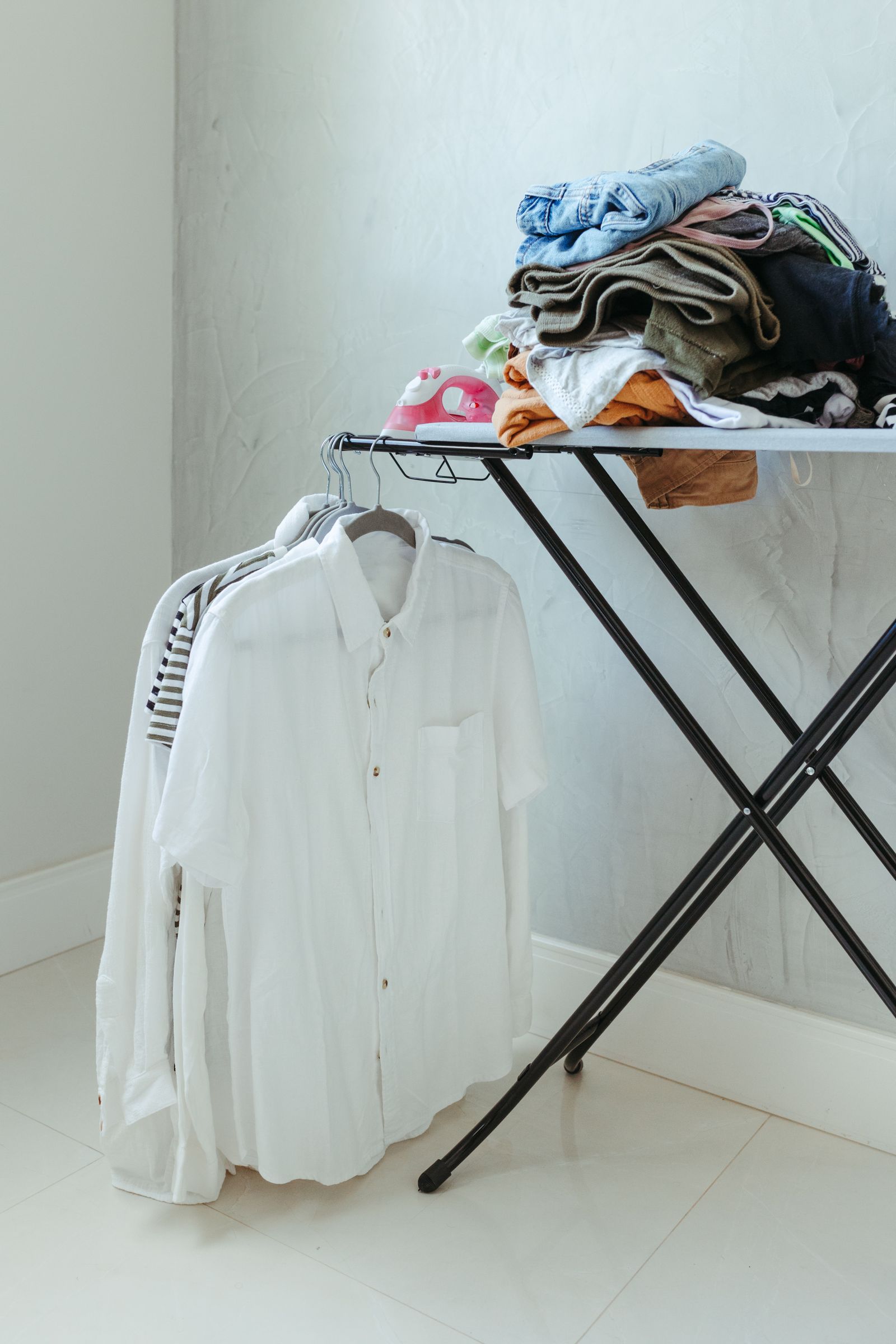
Neatly folded clothes and hanging shirts in an organized space without people
Organized garments emphasizing the importance of clothing care and wardrobe structure.

V-Neck Blouses for Polished Simplicity

A V-neck blouse can provide an elegant visual line without becoming overly formal. Its versatility comes from the relationship between neckline, fabric, and styling.

For professional outfits, combine the blouse with tailored trousers, a pencil or straight skirt, and restrained accessories. For smart-casual styling, denim can provide contrast. For evening dressing, sleek trousers or a refined skirt can elevate the blouse further.

The neckline can also influence jewelry selection. A delicate pendant may follow the V shape, while earrings can provide balance when the neckline itself already creates enough visual interest.

Layering can be equally effective. A blazer creates structure, while a soft cardigan creates a more relaxed appearance.

Satin Button-Ups as Statement Basics

Satin button-up blouses occupy an interesting position between everyday clothing and occasion dressing. Their surface provides visual richness while their button construction allows multiple styling options.

Wearing the blouse fully closed creates a clean and refined appearance. Leaving several buttons open creates a more relaxed neckline. Wearing it open over a fitted basic turns it into a lightweight outer layer.

Denim is an especially useful partner for satin because the matte, casual texture of denim contrasts with the smooth surface of the blouse.

Tailored trousers can create a more formal interpretation, while a simple skirt can create a polished evening combination. The same blouse therefore has a wide styling range without requiring multiple decorative details.

Neutral stacked textile fabrics without people
Neutral textile textures demonstrating the visual value of fabric, layering, and tonal styling.

How to Build Smart-Casual Outfits

Smart-casual dressing works through controlled contrast. A completely casual outfit can become more refined by introducing tailoring, while an overly formal outfit can be relaxed through a simple top or casual footwear.

A cotton T-shirt beneath a blazer is one example. The softness and simplicity of the T-shirt contrast with the structure of the jacket.

A ribbed top with tailored trousers creates another version of the same principle. The texture of the top keeps the outfit approachable while the trousers introduce structure.

An oversized crew neck can also work with a polished accessory and clean footwear. The result depends on maintaining intentional proportions rather than simply combining formal and casual garments randomly.

Professional Dressing With Women’s Tops

Professional wardrobes benefit from garments that are comfortable enough for extended wear while retaining a clean appearance. Blouses and smooth basics are particularly useful because they can work beneath tailoring.

V-neck blouses can create a polished neckline, while long-sleeve basics can provide a streamlined base beneath jackets.

Satin may also be appropriate in professional environments where fluid fabrics fit the surrounding dress culture. In such cases, a restrained color and simple styling can keep the blouse sophisticated rather than overly decorative.

For broader wardrobe exploration, Women Clothing Brands can be used as a starting point when organizing different clothing categories and style directions.

Evening Looks Without Excessive Complexity

An evening outfit does not need to contain numerous statement pieces. One visually distinctive garment can often provide enough focus.

A satin blouse is a natural example. Its reflective surface creates interest, allowing the remaining elements to remain comparatively simple.

A classic top can also be elevated through tailoring. Pairing a clean cotton top with sharply cut trousers, refined shoes, and a structured bag can create a sophisticated contrast between casual and formal elements.

Color can further transform the appearance. Dark neutrals create a grounded impression, while lighter tones can produce a softer aesthetic.

Accessories should be selected according to the visual strength of the top. A highly reflective satin garment may require fewer accessories than a plain cotton top.

Layering Techniques for Modern Wardrobes

Layering is one of the most practical methods for increasing the usefulness of tops. It allows one garment to function in different climates and visual contexts.

Short-sleeve tops can be placed under cardigans, jackets, overshirts, and lightweight coats. Long-sleeve basics can become the foundation beneath heavier outerwear.

Oversized tops usually work best as a final layer or beneath outerwear that has enough room to accommodate them. Fitted tops are easier to place under structured jackets because they create less bulk.

When layering colors, consider whether the layers should blend or contrast. Tonal layering produces a subtle effect, while stronger contrast can emphasize each garment individually.

Layering principle: The more structured the outer garment, the smoother and more controlled the base layer should usually be. Relaxed outerwear can accommodate more volume underneath.

Travel-Friendly Top Selection

Travel reveals which garments are genuinely versatile. When luggage space is limited, every item needs to coordinate with several other pieces.

Neutral cotton tops can work with multiple bottoms and are generally easy to integrate into daily travel outfits. Ribbed tops add texture without requiring additional accessories. Long-sleeve basics can provide flexibility when temperatures change.

A polished blouse can serve as the transition piece for dinners, meetings, or events. A satin button-up is particularly effective when a small wardrobe needs one garment capable of creating a more elevated look.

Travel packing also benefits from fabric awareness. Delicate fabrics should be separated from rough footwear or sharp accessories. Folded basics can be stacked efficiently, while garments prone to creasing may need more careful placement.

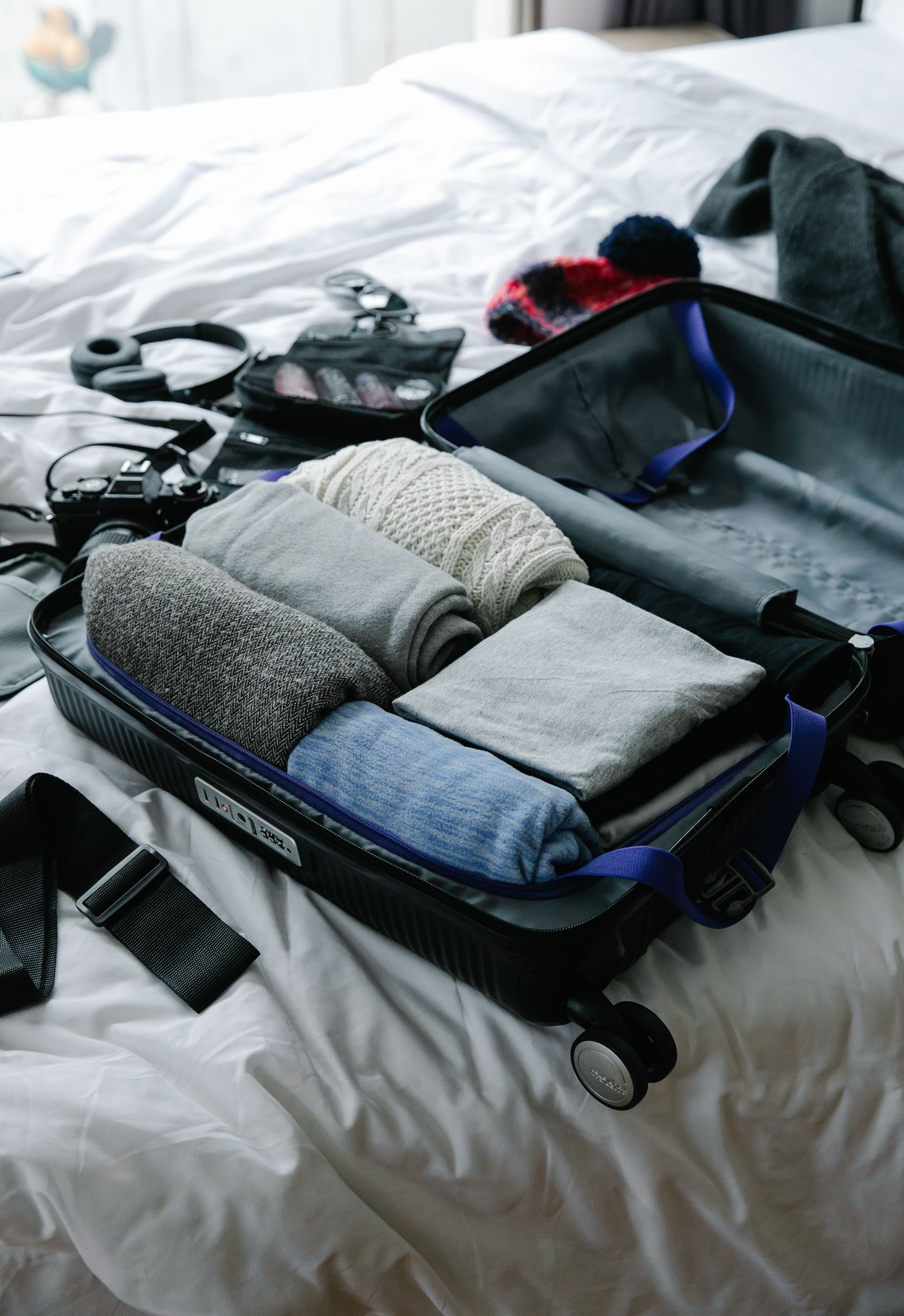
Suitcase filled with neatly folded clothes for travel without people
Efficient wardrobe packing with neatly folded clothing prepared for travel.

Shopping With a Wardrobe Gap Strategy

One of the most efficient ways to shop for women’s tops is to identify a genuine wardrobe gap before purchasing. This means asking what is missing rather than simply asking which garment looks appealing.

If the wardrobe already contains several fitted neutral tops, an oversized silhouette may add more variety. If casual basics dominate, a V-neck blouse may provide a new function. If the wardrobe lacks seasonal layering pieces, a long-sleeve basic may be more useful than another short-sleeve design.

This approach also reduces accidental duplication. Two garments may look different in photographs but perform almost exactly the same role in real life.

Before purchasing, identify several existing bottoms and outer layers that can work with the new top. The more combinations available, the stronger the garment’s potential contribution to the wardrobe.

Construction Details That Indicate Practical Quality

Small construction details can make a significant difference in how a top performs over time.

Neckline Stability

The neckline should maintain its intended shape. This is especially important for frequently washed cotton T-shirts and stretch garments.

Seam Alignment

Shoulder seams, side seams, sleeve attachments, and hems should be constructed cleanly. Consistency contributes to both appearance and durability.

Button Quality

On button-up blouses, buttons should be securely attached and appropriately spaced. Button placement influences how the blouse falls and how easily it can be styled open or closed.

Hem Construction

Clean hems help a garment maintain its shape. The hem should also complement the intended silhouette, whether the garment is designed to be tucked or worn loose.

Fabric Recovery

Stretch materials should return toward their original shape after normal movement. Poor recovery can affect the neckline, sleeves, and body shape.

Comfort

Look for appropriate softness, movement, stretch, breathability, and fabric weight.

Construction

Inspect seams, hems, neckline finishing, cuffs, buttons, and fabric recovery.

Versatility

Choose colors, lengths, and silhouettes that can work with several existing wardrobe pieces.

Texture as an Alternative to Prints

Not every outfit needs a print to create visual interest. Texture can provide depth while maintaining a clean appearance.

Ribbed fabric creates vertical movement. Satin reflects light. Cotton jersey provides a matte and familiar surface. Woven fabrics can create subtle structure.

Combining textures can make an outfit feel richer without introducing multiple patterns. A ribbed top with smooth trousers is a simple example. A satin blouse with denim creates a stronger contrast.

Texture should still be controlled. If every item in the outfit has a highly noticeable surface, the overall result may become visually complicated. Often one dominant texture supported by simpler garments is enough.

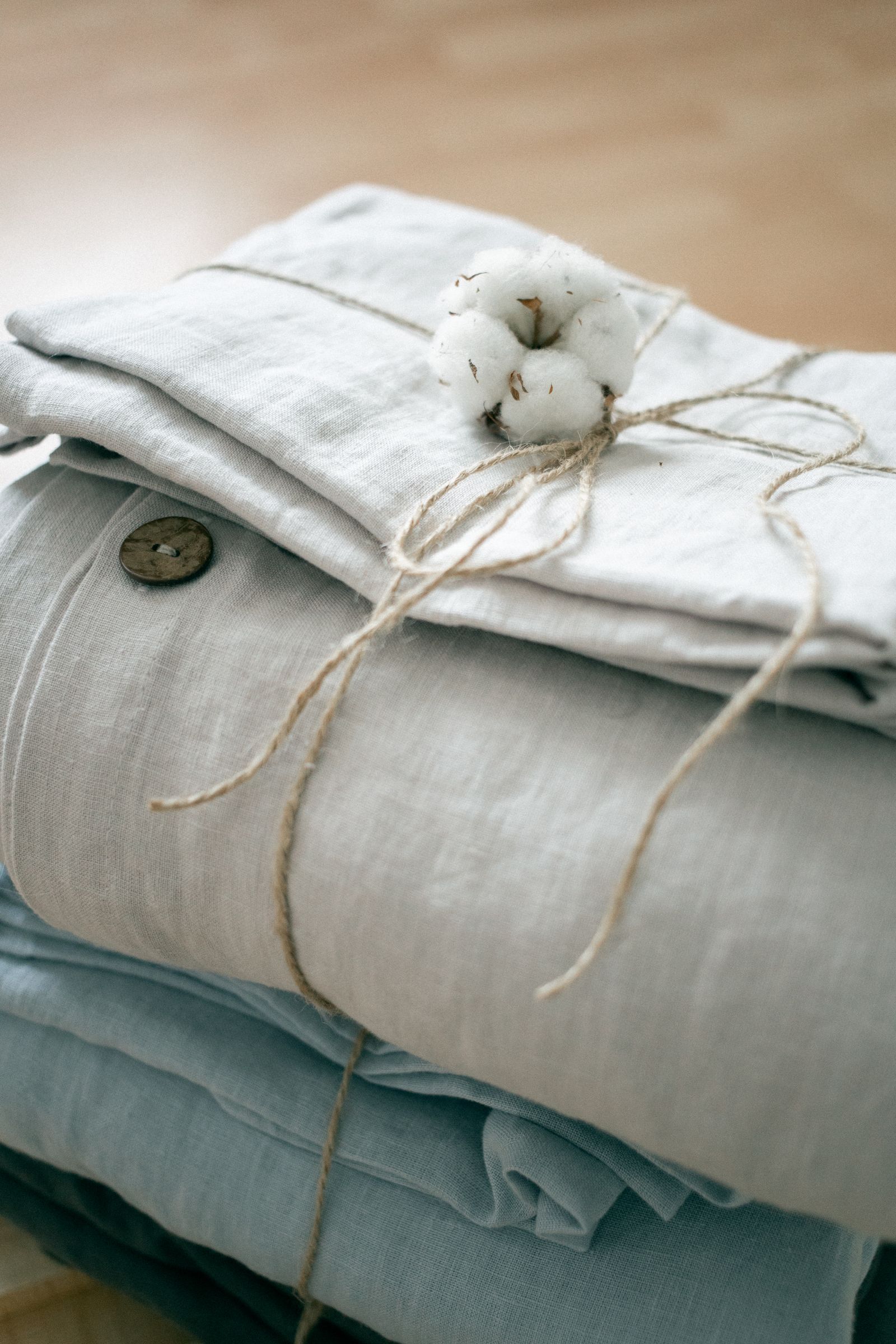
Folded linen fabrics arranged neatly without people
Natural textile textures illustrating how fabric can become a major styling element.

Necklines and Accessory Coordination

Necklines influence which accessories work naturally with a top. Crew necks provide a compact frame and can support short necklaces or earrings. V-necks create a more open area that can accommodate a pendant or be left intentionally simple.

Button-up blouses allow even more variation because the neckline can be adjusted. A closed collar creates a more structured impression, while open buttons create a softer and more relaxed appearance.

Scarves can also interact with necklines. They can add color to a simple crew neck or provide another visual line around an open blouse.

The goal is to coordinate accessories with the top rather than allowing every element to compete for attention.

Building a Functional Capsule Collection

A capsule wardrobe works best when it reflects actual lifestyle patterns. There is no universal number of tops that every person needs. The right quantity depends on climate, work requirements, laundry frequency, travel, and social activities.

A balanced capsule might contain several neutral basics, a relaxed silhouette, one or two ribbed pieces, long-sleeve layers, polished blouses, and one elevated garment such as satin.

Color compatibility is crucial. If most tops work with most bottoms, the capsule produces many combinations without becoming unnecessarily large.

Statement pieces should also have supporting garments. A distinctive satin blouse becomes more useful when it can work with several trousers, skirts, and jackets.

Five Outfit Formulas for Everyday Use

Formula One: Minimal Everyday

Pair a classic cotton top with straight denim, clean footwear, and a simple bag. Change the color of the top to create different variations.

Formula Two: Relaxed Contemporary

Combine an oversized crew neck with straight or tailored trousers. Add structured accessories to create balance.

Formula Three: Textured Smart Casual

Use a ribbed short-sleeve top with tailored trousers or a midi skirt. Keep the supporting garments clean so the texture remains visible.

Formula Four: Layered Professional

Start with a long-sleeve basic, add tailored trousers, and finish with a blazer. Choose colors according to the surrounding professional environment.

Formula Five: Refined Evening

Use a satin button-up blouse with sleek trousers or a polished skirt. Keep jewelry intentional and allow the fabric to provide the primary visual interest.

How to Reinterpret the Same Top

Wardrobe creativity often comes from changing styling techniques rather than buying more garments. A single top can appear different when the tuck, layer, footwear, accessories, or bottom silhouette changes.

A cotton T-shirt can be tucked fully into high-rise trousers for a clean appearance, worn loose with denim for casual dressing, or placed beneath a blazer for a more structured outfit.

A ribbed top can move from casual to smart-casual through the choice of trousers and footwear. A satin blouse can become more relaxed with denim and casual accessories.

This method makes existing garments more productive and can reveal that a wardrobe has more styling potential than initially assumed.

Professional Wardrobe Organization

Organization is an important part of wardrobe efficiency. Tops can be arranged by color, sleeve length, occasion, or frequency of use.

Color organization can make outfit creation faster because compatible shades are immediately visible. Sleeve-length organization can simplify seasonal dressing.

Frequently worn basics should be easy to reach, while delicate blouses can be stored in a way that protects their fabric and shape.

Regular reviews can identify garments that are rarely worn. Instead of immediately replacing them, analyze why they remain unused. The issue may be fit, color, styling difficulty, fabric, or lack of compatible bottoms.

Clothing Care and Longevity

Proper maintenance can preserve the appearance and usefulness of tops. Care instructions should always guide washing, drying, ironing, steaming, and storage decisions.

Washing Basics

Sort garments according to color and fabric requirements. Avoid unnecessarily aggressive washing conditions for delicate or frequently worn tops.

Drying

Some knit garments benefit from flat drying, while certain woven garments can be hung carefully. Excessive heat can affect fibers, stretch, and finishing.

Steaming

Steaming can be useful for removing wrinkles from many woven fabrics. Delicate garments should be treated according to their care instructions.

Storage

Fold soft basics and hang garments that benefit from maintaining their shape. Avoid excessive crowding because compressed clothing can wrinkle and become difficult to access.

Shopping for Tops With Long-Term Value

Price alone does not determine whether a top is a useful wardrobe investment. Frequency of wear, number of combinations, durability, comfort, and maintenance requirements all contribute to value.

A moderately priced top worn regularly with numerous outfits can provide substantial practical value. A highly specialized garment may be worthwhile for a particular lifestyle, but it should be evaluated according to its actual use.

Cost-per-wear thinking can be helpful. If a top can be worn repeatedly across different seasons and occasions, its practical value increases.

Quality should also be considered through construction. Stable necklines, clean seams, strong buttons, appropriate fabric recovery, and good finishing can support repeated use.

Seasonal Transition Strategies

Seasonal dressing becomes easier when tops are selected for layering potential. A short-sleeve top can become a base layer during cooler weather, while a long-sleeve basic can be worn independently when temperatures are mild.

Blouses can also transition between seasons through the supporting wardrobe. A V-neck blouse with lightweight trousers works naturally in warmer conditions, while the same blouse can be paired with a blazer and heavier bottoms later in the year.

Satin button-ups can work throughout the year because their styling context can change. During warmer months, they can become the main focal point. During cooler seasons, they can function beneath tailoring or outerwear.

Folded linen clothing on wooden table with warm lighting and no people
Neutral folded garments emphasizing seasonal texture and organized wardrobe storage.

Digital Shopping: What to Read Before Ordering

Online shopping becomes more reliable when product information is examined systematically. Instead of relying exclusively on photography, look for fabric composition, measurements, fit descriptions, garment length, closure details, and care information.

Measurements are particularly useful because generic labels such as small, medium, or large can vary between brands and garment categories.

Product photography can help reveal neckline shape, sleeve proportion, texture, and general drape. Written specifications can then provide additional context.

Before ordering, compare the garment with existing pieces. If it fills a clear wardrobe gap, it may provide more practical value than another version of a garment already owned.

The Three-Outfit Test

One of the simplest wardrobe planning techniques is to identify three different outfits before adding a new top. The combinations do not need to be identical in style. They can represent casual, smart-casual, professional, travel, or evening uses.

If a top works with denim, tailored trousers, and a skirt, it has multiple styling pathways. If it only works with one specific bottom, it may have a narrower role.

This test does not mean every garment must be maximally versatile. Some pieces are intentionally specialized and can still be valuable. The purpose is simply to understand the garment’s role before purchasing.

Three-outfit method: Identify three existing combinations for every potential top before purchasing. This creates a practical connection between the new garment and the wardrobe already in use.

How Accessories Transform Simple Tops

Accessories can significantly alter the character of basic tops. A simple cotton garment can become polished with a structured bag, refined jewelry, and tailored outerwear.

A satin blouse may require fewer accessories because the fabric already provides visual interest. A ribbed top can support simple metal jewelry because its texture provides subtle depth.

Belts can alter proportions, particularly when used with longer tops or tucked silhouettes. Scarves can introduce color, pattern, and additional texture.

Footwear also changes the perceived formality. Sneakers can keep a blouse relaxed, while loafers, boots, or refined heels can move the same top into a more polished direction.

Balancing Color, Texture, and Proportion

Three elements are particularly important when constructing an outfit: color, texture, and proportion. Strong outfits often use contrast in one or two of these areas while keeping the remaining elements controlled.

An oversized top with fitted bottoms creates proportion contrast. A satin blouse with denim creates texture and formality contrast. A white top with dark trousers creates color contrast.

When all three variables are highly dramatic at once, the outfit can become visually complicated. A more controlled strategy is to select one primary point of contrast.

Color

Use tonal harmony or controlled contrast to connect tops with bottoms and accessories.

Texture

Combine matte, ribbed, smooth, woven, and structured surfaces thoughtfully.

Proportion

Balance fitted and relaxed silhouettes to create a deliberate visual structure.

Wardrobe Planning for Different Lifestyles

A useful top collection should reflect how clothing is actually worn. Someone whose daily life is mostly casual may benefit from a greater proportion of cotton, ribbed, and relaxed pieces.

Someone who regularly works in a professional environment may need more refined blouses, smooth long-sleeve basics, and polished layering pieces.

Frequent travelers may prioritize lightweight fabrics, coordinated colors, and easy-care garments.

People who attend regular social events may want several tops with stronger visual impact, such as satin or distinctive blouses.

The point is not to build a theoretical wardrobe. The goal is to build a collection that matches real routines.

Creating Personal Style Through Repetition

Personal style often emerges through repeated choices. Someone may consistently prefer neutral colors, relaxed silhouettes, V-necklines, textured fabrics, or polished satin pieces.

These repeated preferences can become a recognizable wardrobe identity without requiring every outfit to look the same.

For example, a wardrobe may revolve around clean neutral colors while varying silhouette. Another may rely on soft textures while introducing color through accessories.

The important point is that versatility and personal expression are not opposites. A practical wardrobe can still be distinctive.

Advanced Wardrobe Rotation

Rotating tops according to season and frequency of use can make the wardrobe easier to manage. Frequently worn basics should remain accessible, while seasonal pieces can be stored appropriately when not needed.

Rotation also provides an opportunity to assess wear. Garments that are repeatedly selected may deserve replacement when they begin to lose shape or color.

At the same time, rarely worn pieces should be analyzed. If a garment remains unused because it is difficult to style, pairing it with a new accessory or different bottom may reveal additional potential.

Practical Wardrobe Checklist

  • Maintain several reliable everyday tops.
  • Include at least one relaxed silhouette if oversized styling suits the wardrobe.
  • Use ribbed textures to introduce depth without excessive patterns.
  • Keep long-sleeve basics available for layering.
  • Include polished blouses for professional and social occasions.
  • Use satin selectively when a more elevated appearance is required.
  • Coordinate colors with existing bottoms.
  • Check fabric care requirements before purchasing.
  • Evaluate neckline and shoulder construction carefully.
  • Consider whether a new top fills a genuine wardrobe gap.
  • Identify several outfit combinations before making a purchase.

Frequently Asked Questions About Women’s Tops

What makes a women’s top versatile?

A versatile top can work with multiple bottoms, layers, accessories, and occasions. Fabric, color, neckline, fit, and overall simplicity often determine how easily it can move between different outfits.

Why are classic cotton tops important?

They provide dependable foundations for casual and smart-casual styling. Their simple appearance allows other garments and accessories to determine the overall character of the outfit.

How can an oversized top look polished?

Use deliberate proportions. Pairing relaxed volume with tailored or streamlined bottoms can create balance. Structured accessories and clean footwear can also make the overall outfit feel intentional.

What is the advantage of ribbed fabric?

Ribbed fabric adds texture and often provides useful stretch. It can make a simple silhouette appear more dimensional while remaining practical for everyday wear.

Are long-sleeve basics useful outside winter?

Yes. They are particularly useful during transitional weather and can function as layers beneath blazers, vests, dresses, jackets, and lighter outerwear.

When is a V-neck blouse a good choice?

It can be useful whenever a polished but relatively open neckline is desired. It works well for professional, smart-casual, dinner, and refined daytime combinations.

Can satin blouses be worn casually?

Yes. Combining satin with denim, relaxed trousers, simple footwear, or minimal accessories can create a less formal interpretation while preserving the fabric’s refined appearance.

How many women’s tops should a wardrobe have?

There is no universal number. The appropriate quantity depends on lifestyle, climate, laundry habits, professional requirements, travel, and personal preferences.

What should be checked before buying a top online?

Review fabric composition, measurements, fit information, garment length, neckline, sleeve construction, care instructions, and available product photographs. Compare the garment with existing wardrobe pieces before ordering.

How can a wardrobe avoid buying duplicate tops?

Compare each new garment with existing pieces according to function, silhouette, color, fabric, and occasion. A new garment should ideally introduce a useful difference rather than simply repeat an existing role.

Building a More Efficient Top Collection

The most effective approach to women’s tops is to think in terms of wardrobe architecture. Begin with dependable foundations, then add variations in volume, texture, neckline, sleeve length, and fabric.

Cotton basics provide reliability. Oversized crew necks introduce relaxed volume. Ribbed tops add texture. Long-sleeve basics extend seasonal flexibility. V-neck blouses provide polished simplicity. Satin button-ups add a refined dimension.

Each category can support several different outfit formulas. The goal is not to make every garment perform every possible function, but to make sure the collection as a whole can respond to different situations.

When selecting new pieces, consider the wardrobe as a connected system. Ask how the new top interacts with existing bottoms, outerwear, accessories, and footwear. Consider whether the color strengthens the existing palette and whether the fabric is appropriate for the intended climate and maintenance routine.

This system-based approach makes shopping more deliberate and styling more creative at the same time. Instead of relying on a large quantity of clothing, the wardrobe becomes a collection of compatible building blocks.

Professional Outfit Planning by Occasion

For everyday casual dressing, prioritize cotton, ribbed, and relaxed tops. These pieces should be comfortable and easy to maintain.

For smart-casual situations, combine basic tops with tailoring, refined accessories, or polished footwear.

For professional settings, select blouses and smooth basics that work comfortably beneath structured outerwear.

For evening occasions, satin and refined woven fabrics can provide a sophisticated focal point without requiring multiple statement elements.

For travel, focus on lightweight pieces that coordinate across several outfits and can be layered when temperatures change.

Striped shirt on wooden hanger with blank label and no people
A clean retail-inspired garment presentation focused on clothing details and wardrobe organization.

Making Existing Tops Feel New

Before buying additional clothing, experiment with existing pieces. Change the bottom silhouette, layer a jacket, alter the tuck, switch accessories, or introduce different footwear.

A cotton T-shirt that normally appears casual can become polished beneath a blazer. A ribbed top can look entirely different with tailored trousers instead of denim. A satin blouse can become more relaxed when worn open over a simple base layer.

This approach can reveal additional value in garments that are already owned. It also helps identify what the wardrobe genuinely lacks.

Modern Minimalism Without Losing Personality

Minimalism does not mean eliminating color, texture, or personal expression. It can simply mean selecting garments that have clear functions and coordinate efficiently.

A minimalist wardrobe can contain a distinctive satin blouse, a textured ribbed top, or an oversized garment. The difference is that these pieces are supported by compatible basics.

Neutral foundations can make statement pieces easier to wear. Accent colors can provide personality without requiring every garment to be expressive.

Evaluating a Top Beyond Its Price

A garment’s practical value is influenced by more than its purchase cost. Consider frequency of wear, number of combinations, comfort, maintenance, and durability.

A top worn several times per month with different outfits may provide greater practical value than a garment reserved for a single occasion.

However, specialized pieces can still have an important role. They can provide variety and prevent a wardrobe from becoming overly repetitive. The key is understanding the role each garment is intended to perform.

Construction quality also matters. Stable necklines, clean seams, reliable buttons, appropriate fabric recovery, and good finishing can contribute to longer useful life.

A Practical Framework for Future Purchases

Before adding a new women’s top, consider five questions. First, does the silhouette provide something different from existing pieces? Second, does the color coordinate with current bottoms? Third, is the fabric suitable for the intended climate and occasion? Fourth, can the garment be layered or styled in multiple ways? Fifth, are its maintenance requirements realistic?

These questions create a simple filter that can improve wardrobe consistency.

The process also encourages intentional experimentation. A shopper can deliberately choose a new texture, neckline, or silhouette when the existing collection lacks variety rather than purchasing another version of a familiar basic.

The Complete Top Wardrobe Blueprint

A highly functional collection can be organized into several layers. The first layer consists of dependable everyday basics. These provide the foundation for frequent dressing.

The second layer introduces variation through relaxed silhouettes and textured garments. These pieces prevent the wardrobe from becoming visually repetitive.

The third layer contains polished blouses for professional and social occasions. These garments add refinement and provide alternatives to simple T-shirts.

The fourth layer consists of elevated fabrics such as satin. These pieces can transform basic bottoms into sophisticated outfits.

The final layer is created through accessories, outerwear, footwear, and styling techniques. These elements allow the same tops to perform different roles.

When these layers work together, the wardrobe becomes flexible without becoming unnecessarily large.

Everyday Styling Principles That Remain Useful

Use simplicity as a foundation. Let one garment become the primary focal point instead of making every element equally dramatic.

Use proportion intentionally. Balance relaxed tops with structured or streamlined bottoms when appropriate.

Use texture to add interest. Ribbed, satin, woven, and smooth fabrics can create depth without requiring strong prints.

Use color relationships rather than exact matching. A coordinated palette provides more flexibility.

Use layering to extend seasonal usefulness. Smooth basics can work underneath structured outerwear, while relaxed pieces can become final layers.

Use accessories to reinterpret familiar garments. A change in footwear, bag, jewelry, or scarf can alter the character of a basic top.

Women’s Tops as the Foundation of a More Flexible Wardrobe

The modern wardrobe benefits from garments that can adapt. Women’s tops are particularly effective because they influence the appearance of an outfit while requiring relatively little physical space. Their variety of silhouettes, fabrics, necklines, and proportions makes them useful for building numerous combinations from a manageable collection.

The classic cotton T-shirt delivers reliability. The oversized crew neck introduces relaxed volume. The ribbed short sleeve provides texture. The long-sleeve basic supports layering. The V-neck blouse adds polished versatility. The satin button-up introduces refined surface interest.

The most important consideration is how these categories work together. A wardrobe becomes stronger when garments complement one another rather than compete for the same role.

Thoughtful color planning, fabric selection, fit evaluation, and wardrobe organization can turn a collection of individual tops into a coordinated system. That system can support casual mornings, professional days, travel, dinners, social occasions, and changing seasons.

By evaluating every garment according to comfort, construction, styling potential, maintenance, and compatibility, it becomes possible to build a wardrobe that feels both practical and expressive. The result is not simply more clothing, but more useful combinations from the clothing already available.

Jordan Hotel Reviews: Find Your Ideal Stay Across the Kingdom

Jordan Hotel Reviews: Find Your Ideal Stay Across the Kingdom Jordan Hotel Reviews: Find Your Ideal Stay Across the Kingdom ...