The Strategic Role of Women’s Tops in a Modern Wardrobe
A well-designed wardrobe does not need to contain hundreds of garments to provide hundreds of outfit possibilities. The real value comes from choosing pieces that can perform several functions while maintaining a consistent visual identity. Women’s tops are especially important because they sit at the center of everyday dressing. A single top can change the personality of trousers, denim, skirts, tailoring, knitwear, or layered outerwear without requiring a complete wardrobe change.
For this reason, the modern approach to shopping for women’s tops is less about collecting random designs and more about creating a balanced system. A practical wardrobe may combine dependable cotton basics, relaxed oversized silhouettes, fitted ribbed styles, long-sleeve layers, polished V-neck blouses, and refined satin button-ups. Each category answers a different styling requirement, and together they create a foundation that works across casual, professional, travel, social, and transitional settings.
A dependable Women's Classic Cotton T-Shirt illustrates this principle perfectly. It can function as a standalone garment during warm weather, a base under a jacket, or a relaxed layer beneath knitwear. The important consideration is not simply whether a top looks attractive in isolation, but whether it creates useful combinations with garments already present in the wardrobe.
Understanding the Six Core Top Categories
Different top silhouettes create different proportions. Understanding these distinctions makes shopping more deliberate and styling more efficient. A fitted ribbed top, for example, behaves very differently from an oversized crew neck. A satin blouse introduces a different level of visual polish compared with a cotton T-shirt. Neither category needs to replace the others; their strength comes from serving different roles.
1. Classic Cotton T-Shirts
Cotton T-shirts are among the most useful pieces in a modern wardrobe because their visual simplicity allows other garments to take the spotlight. A clean neckline and balanced shoulder seam can make a basic T-shirt look polished with tailored trousers, while the same garment can become relaxed when paired with denim and sneakers.
When selecting cotton basics, examine fabric density, softness, recovery, neckline construction, sleeve proportion, and overall length. Very thin fabric may feel comfortable but can appear less structured after repeated wear. A moderately substantial fabric can provide better shape and make the garment suitable for both standalone wear and layering.
2. Oversized Crew Neck Tops
Relaxed silhouettes have become an important part of contemporary dressing because they offer visual ease and physical comfort. A Women's Oversized Crew Neck T-Shirt can create a casual statement without relying on complicated graphics or excessive decoration.
The key to wearing oversized tops successfully is proportion. A generous top can work particularly well with slim or straight trousers, fitted skirts, leggings, or structured shorts. Alternatively, an oversized top can be balanced with another relaxed piece when the desired look is intentionally loose and contemporary. The goal is to make the volume look deliberate rather than accidental.
3. Ribbed Short Sleeve Tops
Ribbed fabrics introduce texture and visual structure. The vertical pattern created by rib construction can give a simple silhouette more dimension while helping the garment maintain a close relationship with the body. A Women's Ribbed Short Sleeve Top can therefore occupy an interesting middle ground between a basic T-shirt and a more formal blouse.
Ribbed tops work particularly well with high-waisted trousers, denim, midi skirts, layered jackets, and lightweight cardigans. They can also serve as transitional pieces when temperatures change during the day. Because the fabric has texture, accessories can remain relatively simple while still creating a visually complete outfit.
4. Long Sleeve Basics
Long sleeve tops add seasonal flexibility. A Women's Long Sleeve Basic Top can function as a primary garment during mild weather and as a base layer when temperatures fall.
The most useful long-sleeve design is usually one that is neither extremely loose nor excessively tight. A balanced cut makes it easier to wear underneath blazers, coats, vests, overshirts, and knitwear. Neutral colors are especially versatile, while richer seasonal shades can add personality without requiring complicated styling.
5. V-Neck Blouses
A V-neck changes the visual line of an outfit by creating an open area around the neckline. This makes the silhouette feel different from a crew neck without requiring dramatic design details. A Women's V-Neck Blouse can therefore move naturally between business-casual combinations, dinner outfits, and elevated daytime styling.
6. Satin Button-Up Blouses
Satin introduces surface shine, fluid movement, and a more refined appearance. A Women's Satin Button-Up Blouse can elevate simple trousers or denim because the fabric itself contributes visual richness.
Satin is particularly useful when an outfit needs sophistication without additional decoration. The blouse can be worn tucked into tailored pants, partially tucked into jeans, layered under a blazer, or styled open over a simple base layer.
Fabric Selection: The Foundation of Comfort and Performance
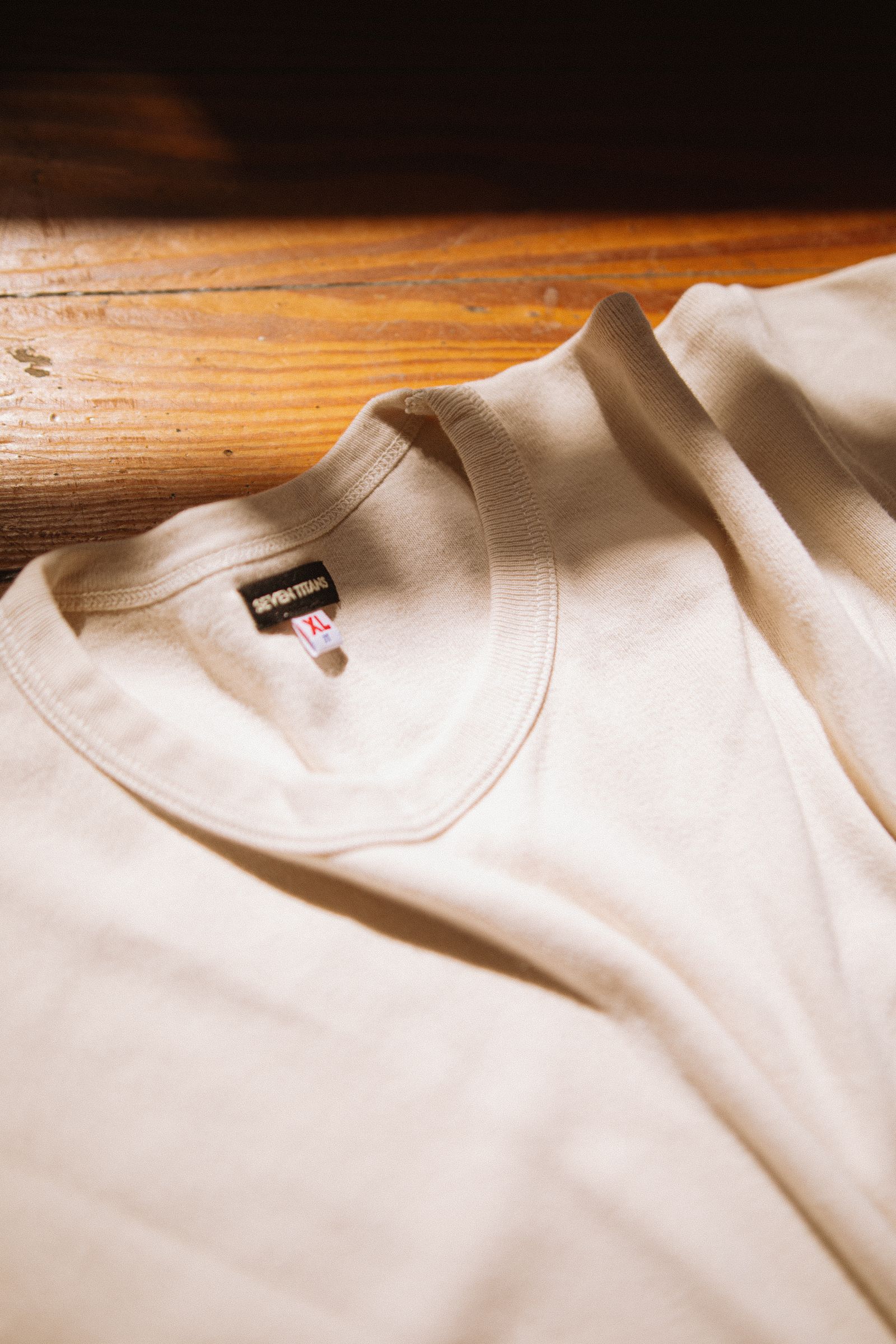
Fabric selection influences almost every practical characteristic of a top. It affects breathability, drape, softness, durability, wrinkle behavior, color appearance, and maintenance requirements. Two tops can have similar silhouettes but behave completely differently because their fabrics are different.
Cotton and Cotton-Rich Fabrics
Cotton remains a natural choice for everyday basics because it can provide a familiar hand feel and versatile appearance. The final performance depends on fiber quality, yarn construction, fabric weight, finishing, and blending. A heavier cotton jersey can create structure, while a lighter jersey may feel more relaxed and breathable.
For everyday wardrobes, cotton basics are particularly useful when the wearer wants predictable styling. White, black, navy, gray, cream, and muted earth tones can support numerous combinations. The best color depends on the rest of the wardrobe, complexion preferences, existing bottoms, and intended occasions.
Ribbed Knits
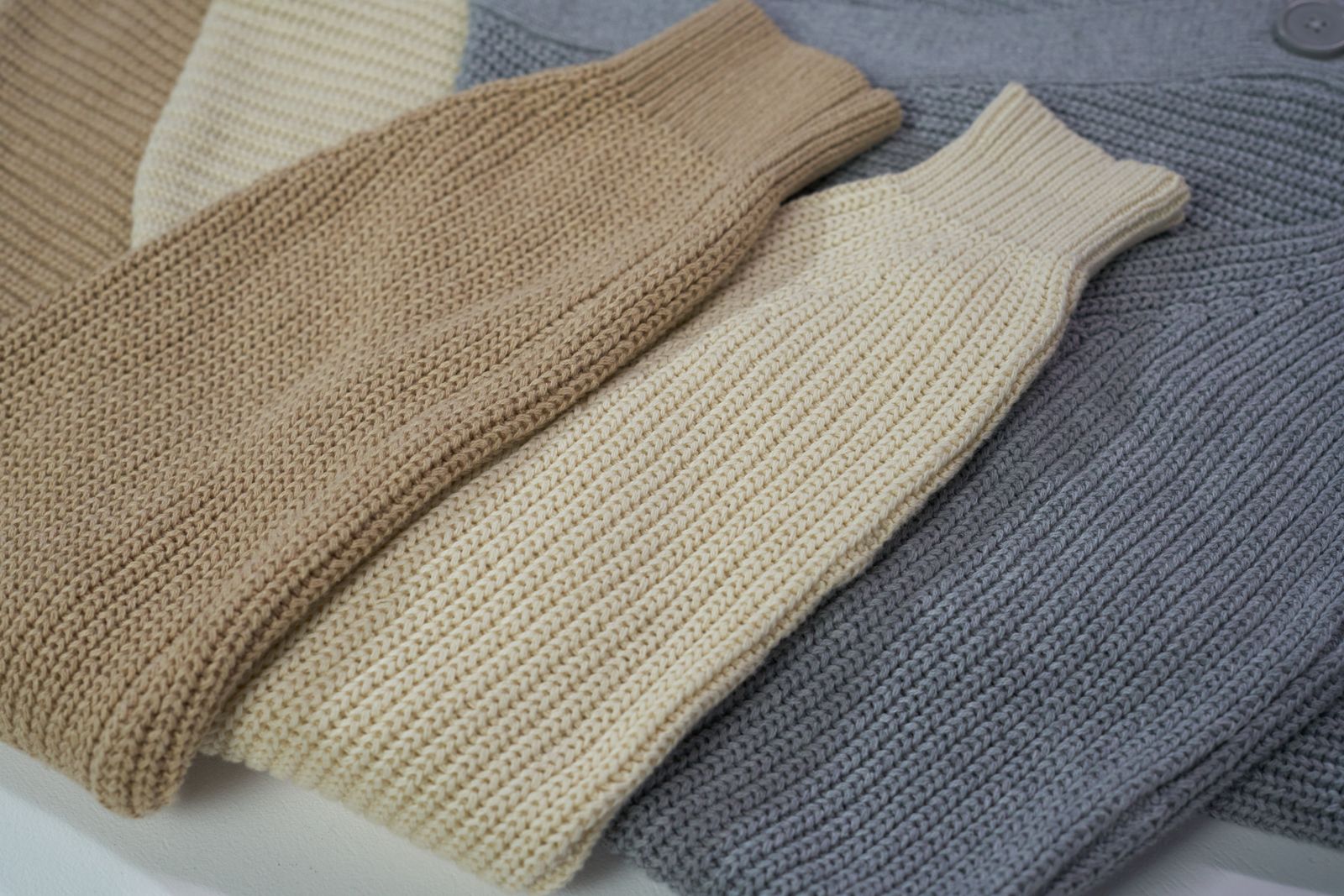
Ribbed construction adds elasticity and texture. The amount of stretch varies significantly, so shoppers should examine how quickly the garment returns to shape after movement. A quality ribbed top should support the intended silhouette without looking overly distorted around seams or neckline areas.
Satin and Smooth Woven Fabrics
Satin has a reflective surface that catches light differently from matte cotton or jersey. This characteristic makes it useful for evening dressing and elevated daytime outfits. Because the fabric is visually expressive, it can often replace additional embellishment.
When buying satin blouses, pay attention to opacity, seam finishing, button quality, cuff construction, and the way the fabric falls around the shoulders. Smooth fabrics can reveal poor construction more readily than textured materials, so finishing details matter.
Blended Materials
Blends can be useful when manufacturers want to combine characteristics from different fibers. A blend may be designed for softness, stretch, durability, shape retention, or easier care. The correct choice depends on how the garment will be used rather than on the fiber name alone.
| Top Category | Typical Fabric Direction | Main Function | Key Features | Best Styling Environment |
|---|---|---|---|---|
| Classic Cotton T-Shirt | Cotton or cotton-rich jersey | Everyday foundation | Simple neckline, versatile fit, easy layering | Casual, travel, daily wear |
| Oversized Crew Neck | Jersey or soft knit | Relaxed silhouette | Extended volume, dropped or relaxed shoulder | Casual and contemporary outfits |
| Ribbed Short Sleeve | Stretch rib knit | Textured fitted layer | Vertical texture, close fit, stretch recovery | Casual, smart-casual, layering |
| Long Sleeve Basic | Jersey, cotton blend, or fine knit | Layering and transitional dressing | Full sleeves, adaptable fit, simple design | Autumn, winter layering, travel |
| V-Neck Blouse | Woven fabric or fluid blend | Polished versatility | Open neckline, clean drape, refined shape | Office, dinner, smart-casual |
| Satin Button-Up | Satin or smooth woven fabric | Elevated dressing | Fluid surface, buttons, polished finish | Evening, events, refined daytime looks |
How Fit Changes the Personality of an Outfit
Fit is one of the most influential variables in clothing. The same color and fabric can look completely different when the proportions change. A close-fitting top emphasizes a streamlined silhouette, while an oversized design creates volume and movement. Neither approach is universally appropriate; the right choice depends on the intended visual effect.
Shoulder placement is one of the first details to examine. On a structured top, the shoulder seam should create a deliberate line. On an oversized garment, the seam may intentionally sit lower. Sleeve width, body length, neckline depth, and hem shape should then work together.
Body length is equally important. Cropped tops can complement high-waisted bottoms, while longer tops can provide more coverage and work well with slimmer silhouettes. A mid-length top can be especially flexible because it can be tucked, half-tucked, or worn loose.
For a wardrobe intended to cover many occasions, it is useful to own different fits rather than buying every top in the same proportion. A relaxed crew neck, fitted ribbed top, and fluid blouse can each create a distinct outfit architecture.
Proportion
Balance top volume with the shape and rise of trousers, skirts, shorts, or denim.
Movement
Choose fabrics and cuts that allow comfortable arm movement and natural body motion.
Layering
Consider whether the top needs to fit beneath jackets, coats, cardigans, or overshirts.
Color Planning for a More Efficient Wardrobe
Color coordination is often more valuable than having a large number of individual designs. A wardrobe built around compatible colors can produce more combinations with fewer garments. This is especially useful when selecting women’s tops because tops interact visually with almost every bottom layer.
A practical strategy is to begin with foundational neutrals. White, ivory, black, charcoal, navy, beige, taupe, and soft gray can serve as anchors. From there, introduce accent colors according to personal taste and existing wardrobe requirements.
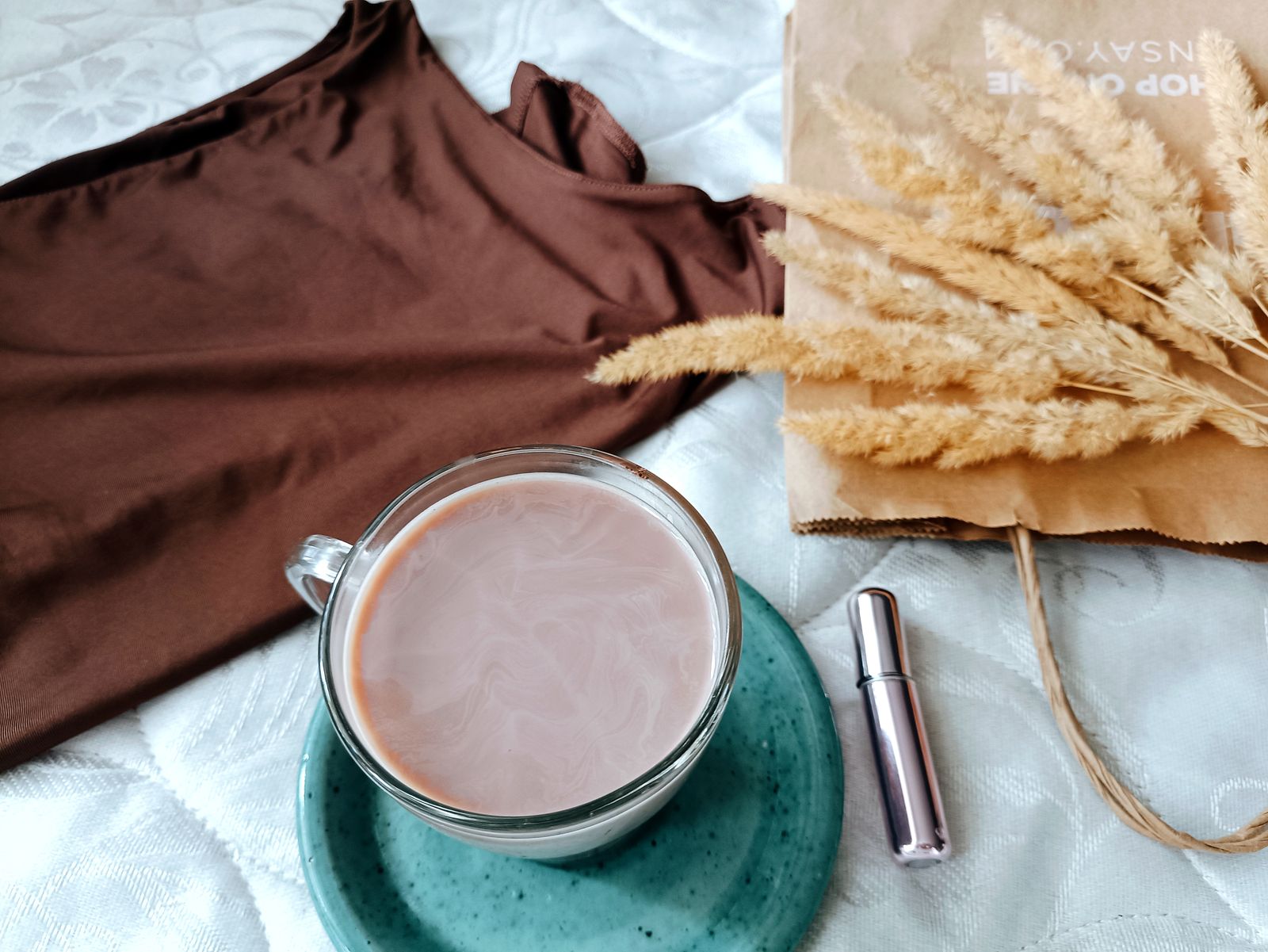
For a more sophisticated visual system, consider color temperature. Warm neutrals such as cream, camel, sand, and chocolate can create a softer palette, while cool neutrals such as gray, navy, and blue can create a cleaner contrast. Mixed palettes can work beautifully when one dominant tone is repeated across accessories or footwear.
A wardrobe can also be organized around three layers of color: foundation colors, supporting colors, and accent colors. Foundation colors should coordinate with most bottoms. Supporting colors can create variety without becoming difficult to style. Accent colors can be reserved for pieces such as satin blouses or textured tops that are intended to attract attention.
Creating Everyday Outfits with Basic Tops
Basic tops are powerful because they do not dictate the entire outfit. Instead, they provide a stable foundation that allows other pieces to become more prominent. This makes them especially valuable for people who want to simplify morning dressing without repeating exactly the same appearance.
Casual Denim Combination
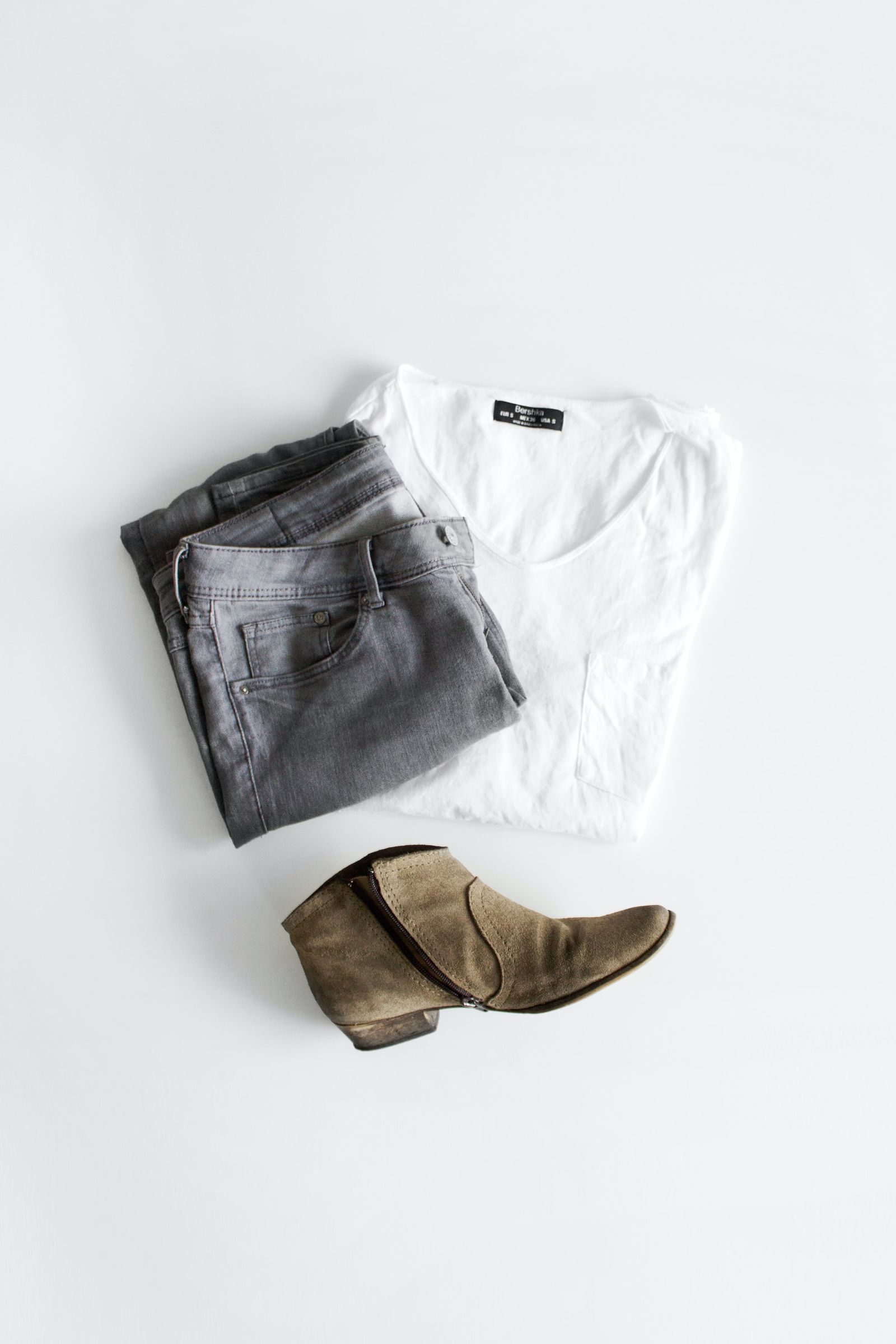
Pair a clean cotton T-shirt with straight-leg denim and minimal footwear for an uncomplicated everyday outfit. The look can be adjusted through accessories, outerwear, and the choice of denim wash. A light neutral top creates an airy appearance, while a darker top can make the combination feel more grounded.
Relaxed Tailoring
Pair an oversized crew neck with tailored trousers for a modern contrast between softness and structure. The trousers provide polish while the relaxed top prevents the outfit from feeling excessively formal. A structured handbag and simple jewelry can reinforce the balance.
Textured Minimalism
A ribbed short sleeve top can be paired with wide-leg trousers or a midi skirt. Because the ribbed texture already provides visual interest, the rest of the outfit can remain restrained. This approach is especially useful when someone wants a refined outfit without obvious decoration.
Layered Neutral Dressing
A long-sleeve basic top can be worn beneath a sleeveless dress, blazer, vest, or overshirt. Neutral colors make the layer less visually distracting, while a contrasting shade can create a deliberate color block.
For shoppers building a broader wardrobe, browsing Women Clothing Brands can also help organize choices around different aesthetics, categories, and wardrobe needs rather than focusing on a single garment type.
From Office Hours to Evening Plans
One of the strongest characteristics of a versatile top is the ability to transition between environments. The transition does not always require changing the entire outfit. Often, a change of shoes, jacket, accessories, or styling technique is enough.
A V-neck blouse can be worn with tailored trousers during working hours and later paired with darker denim and refined accessories. The blouse remains the central garment, but the supporting pieces change the message of the outfit.
Satin button-up styles are particularly adaptable because they already carry a polished surface. During the day, they can be combined with structured trousers and understated accessories. For evening plans, the same blouse can be styled with a sleek skirt, statement earrings, or a more dramatic shoe.
Basic cotton tops can also transition successfully when the surrounding garments are elevated. A crisp blazer, tailored trousers, leather accessories, and polished footwear can transform the visual context of a simple T-shirt.
Smart Shopping: What to Inspect Before Buying
Professional wardrobe building starts with evaluating construction rather than relying exclusively on photographs. Digital shopping can make this more difficult because fabric texture, weight, and finishing may not be immediately obvious. Reading product information carefully and examining available details can reduce unsuitable purchases.
Check the Neckline
The neckline should match both the intended style and the layering strategy. Crew necks are easy to layer and generally create a compact visual frame. V-necks open the upper silhouette and can create a more elongated appearance. Button-up collars offer additional styling possibilities because the neckline can be opened or closed.
Examine the Seams
Seam alignment can reveal important information about construction. Look at shoulder seams, side seams, sleeve attachment, cuffs, and hems. Consistent stitching and clean finishing usually contribute to a more polished garment.
Consider Transparency
Light-colored tops can vary significantly in opacity. A garment intended for standalone wear should provide the desired level of coverage under normal lighting. If a fabric is intentionally sheer, the wardrobe plan should include suitable layering options.
Evaluate Recovery
Stretch garments need to return to shape after movement. This is particularly relevant for ribbed tops and fitted basics. If the material remains visibly stretched around the neckline or seams, the garment may not maintain its intended appearance over time.
Think About Maintenance
A beautiful garment that requires impractical maintenance may receive less wear. Before buying, consider washing instructions, ironing requirements, drying methods, and storage. Easy-care basics often deliver substantial wardrobe value because they can be worn frequently.
For more refined styling, a satin blouse should be treated differently from a cotton T-shirt. Smooth woven fabrics may benefit from careful folding or hanging, while everyday jersey can often be folded without difficulty. The maintenance method should follow the garment’s construction and care label.
The Role of Layering in Seasonal Dressing
Layering transforms a wardrobe because it allows the same garments to perform across multiple temperatures. Tops are central to this system. A short sleeve can become a base under a jacket, while a long sleeve can become an intermediate layer under heavier outerwear.
During transitional weather, a ribbed short sleeve top can be combined with an open cardigan or lightweight overshirt. When temperatures rise, the outer layer can be removed without changing the base outfit.
Long sleeve basics are especially valuable when the wardrobe needs flexibility. They can be worn beneath blazers, sleeveless dresses, denim jackets, vests, and coats. Choosing smooth fabrics helps prevent unwanted bulk underneath structured layers.
Oversized tops require more planning because excessive volume can make layering uncomfortable. They are often most effective beneath relaxed outerwear or as the final top layer. By contrast, fitted basics can disappear comfortably underneath larger garments.
Styling Techniques That Multiply Outfit Possibilities
The number of outfits a wardrobe can create depends partly on styling techniques. A single top may produce several distinct looks simply by changing how it is tucked, layered, buttoned, or accessorized.
The Full Tuck
Tucking a top fully into trousers or a skirt creates a clear waistline and can make the outfit look more intentional. This technique works particularly well with medium-length or slightly relaxed tops.
The Half Tuck
A partial tuck introduces asymmetry and a more relaxed attitude. It can be useful with denim, tailored trousers, and oversized shirts. The technique should look deliberate rather than overly arranged.
The Open Button-Up Layer
A satin button-up blouse can be worn open over a fitted basic top. This creates two visible layers and allows the smooth outer fabric to become the focal point.
The Jacket Layer
A simple cotton T-shirt under a blazer creates a useful contrast between casual and structured elements. This is one of the easiest ways to increase the versatility of basic tops.
The Tonal Combination
Pairing different shades of the same color family can produce a refined appearance. For example, a cream top with beige trousers and a camel outer layer creates subtle depth without relying on strong contrast.
The Contrast Combination
A neutral top can also serve as a foundation for stronger colors. A white or black basic top allows colorful trousers, skirts, accessories, or outerwear to become the main visual focus.
Building a Capsule Collection of Women’s Tops
A compact capsule collection should be designed around real lifestyle requirements. Instead of choosing an arbitrary number of garments, consider how often the wardrobe is used for work, casual activities, social events, travel, and seasonal transitions.
A balanced collection might include several dependable basics, at least one relaxed silhouette, a textured option, a long-sleeve layer, and one or two polished blouses. The exact quantity depends on laundry frequency and personal preferences.
The objective is not minimalism for its own sake. The objective is reducing friction. When most tops coordinate with several bottoms, dressing becomes faster and purchasing becomes more intentional.
For example, a neutral cotton T-shirt can work with jeans, tailored trousers, cargo-style bottoms, shorts, and skirts. A ribbed top can support similar combinations while adding texture. A satin blouse can transform the same trousers into an elevated outfit. A long-sleeve basic can extend these combinations into cooler seasons.
Travel-Friendly Tops and Packing Efficiency
Travel exposes weaknesses in a wardrobe system because every garment must justify the space it occupies. Tops with multiple styling possibilities are particularly valuable when luggage space is limited.
Neutral cotton basics can serve as reliable travel foundations. A single T-shirt may work with several bottoms and can be layered beneath outerwear. Ribbed tops add texture without taking much space, while a polished blouse can provide an elevated option for dinners or professional occasions.
Long sleeve basics can reduce the need for multiple seasonal pieces. They can be worn alone during mild weather or layered beneath jackets when temperatures drop. This makes them useful for destinations where weather changes throughout the day.
Satin button-up blouses should be packed strategically because their visual impact is high relative to their physical size. One well-chosen blouse can elevate multiple neutral outfits, making it an efficient travel piece.
When packing, roll or fold garments according to their fabric and construction. Avoid crushing delicate surfaces under heavy shoes or accessories. Use the garment’s natural folds where possible and allow structured pieces enough space to maintain their shape.
Care Practices That Protect Garment Appearance
Proper care can extend the useful life of tops and preserve their original appearance. The care label should always take priority because different fabric compositions require different methods.
Washing
Separating garments by color and fabric weight can reduce unnecessary wear. Dark colors may benefit from washing inside out, while delicate fabrics may require gentler cycles. Avoid using unnecessarily aggressive washing conditions for garments that do not need them.
Drying
Drying method can affect shape. Some knit tops may benefit from flat drying, while certain woven garments can be hung carefully. Excessive heat may affect fibers, elasticity, and finishing, so temperature recommendations should be followed.
Ironing and Steaming
Smooth woven fabrics often benefit from careful steaming because it can help remove wrinkles without requiring excessive direct heat. Cotton basics may tolerate more conventional ironing, but temperature settings should still match the garment.
Storage
Fold soft basics and store them in stacks that are easy to access. Hang garments that crease easily or benefit from maintaining their shoulder shape. Avoid overcrowding the wardrobe because compressed clothing can wrinkle and become difficult to inspect.
How to Combine Texture Without Creating Visual Clutter
Texture is one of the easiest ways to make a simple wardrobe look more sophisticated. Cotton jersey, ribbed knit, denim, satin, wool, linen, and leather each reflect light and create different tactile impressions.
A ribbed top with smooth tailored trousers creates a controlled contrast. Satin with denim creates a stronger contrast between polished and casual surfaces. Cotton with knitwear creates a softer layered effect.
The key is to give each texture enough visual space. If every garment has a strong texture, pattern, and finish, the outfit can become difficult to read. A textured top often looks strongest when paired with relatively simple supporting pieces.
This principle also applies to accessories. A satin blouse may already provide enough visual interest that simple metal jewelry and a clean handbag are sufficient. A plain cotton T-shirt, by comparison, can support a more expressive necklace, scarf, or structured jacket.
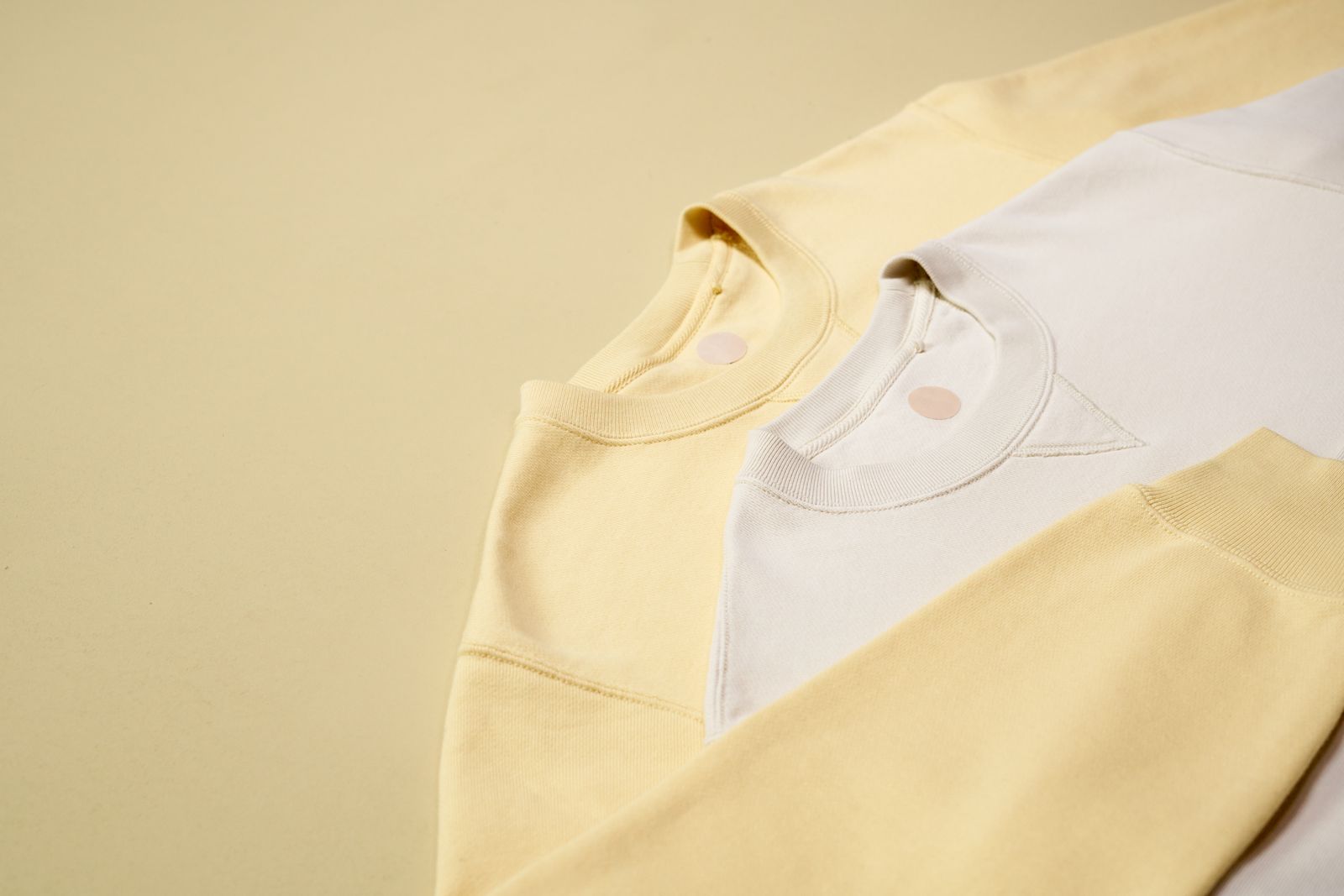
Choosing Necklines for Different Styling Goals
Necklines influence the visual balance of the upper body and determine how easily a garment can be layered with jewelry, jackets, and scarves.
Crew necks create a compact and familiar shape. They are particularly effective for everyday basics because they are easy to layer and rarely compete with outerwear.
V-necks create a more open line and can make an outfit feel lighter around the face and neckline. They are useful when the desired look is slightly more polished without becoming formal.
Button-up necklines offer adjustable styling. A blouse can be worn fully buttoned for a more conservative appearance, partially open for relaxed styling, or completely open over another top.
High necklines can provide a sleek base beneath blazers and jackets, while scoop necks can create a softer alternative to crew necks. The best choice is ultimately the neckline that works with the wearer’s preferred proportions, layering habits, and existing accessories.
Modern Minimalism and the Value of Fewer Better Combinations
Minimalism in fashion does not necessarily mean owning very few clothes. It can mean making every garment easier to integrate. A wardrobe becomes more efficient when individual tops share compatible colors, proportions, and styling logic.
This is why a classic cotton T-shirt can be more valuable than an elaborate top that only works with one pair of trousers. Versatility creates repeated opportunities to wear the garment.
The same principle applies to quality. A top that maintains its neckline, shape, and color over repeated use can become a dependable part of the wardrobe. A garment that loses structure quickly may require replacement, reducing its practical value even if the initial purchase was inexpensive.
Smart wardrobe building therefore combines aesthetics with usage frequency. Before buying, ask whether the garment can work with at least several existing pieces, whether it suits the climate, whether its care requirements are manageable, and whether its silhouette fits the wearer’s normal lifestyle.
Professional Wardrobe Planning by Occasion
A useful way to organize tops is by the situations in which they will be worn. This creates a functional wardrobe map rather than a collection based only on visual attraction.
Daily Casual
Prioritize cotton T-shirts, ribbed tops, and relaxed crew necks. These pieces should be comfortable, easy to wash, and compatible with denim and casual trousers.
Smart Casual
Combine ribbed tops and V-neck blouses with tailored trousers, midi skirts, loafers, or structured accessories. The goal is balance rather than excessive formality.
Professional
V-neck blouses, refined long-sleeve tops, and satin button-ups can support polished combinations with tailoring. Color selection becomes especially important because restrained shades often coordinate easily with professional wardrobes.
Evening
Satin, fluid woven fabrics, elegant necklines, and refined accessories can create an evening-ready appearance. The supporting pieces can remain simple because the top itself provides visual sophistication.
Travel
Prioritize lightweight, versatile, easy-care garments. A small collection of coordinated tops can support numerous outfits when the color palette is intentionally planned.
These categories are not rigid. The same garment can belong to several groups, which is precisely what makes a wardrobe efficient.
Practical Features Worth Prioritizing
Fashion appeal matters, but practical details often determine whether a top becomes a wardrobe favorite. Consider features such as fabric recovery, neckline stability, sleeve construction, hem finishing, button security, opacity, and ease of maintenance.
For everyday T-shirts, neckline stability and fabric recovery are particularly important. For ribbed tops, elasticity and texture consistency deserve attention. For long-sleeve basics, sleeve length and layering compatibility are key.
For blouses, inspect buttons, cuffs, seam finishing, fabric drape, and opacity. Satin styles deserve additional attention because their smooth surface can make construction irregularities more noticeable.
Comfort
Soft hand feel, appropriate stretch, breathable construction, and unrestricted movement.
Versatility
Multiple outfit combinations, compatible colors, and useful layering potential.
Durability
Stable seams, reliable finishing, resilient fabric, and practical care requirements.
Frequently Asked Questions About Women’s Tops
What are the most useful women’s tops for an everyday wardrobe?
A practical collection usually includes several simple basics, at least one relaxed silhouette, a textured option, a long-sleeve layer, and one or more polished blouses. The ideal combination depends on lifestyle, climate, dress requirements, and personal style.
Are cotton T-shirts suitable for polished outfits?
Yes. A clean cotton T-shirt can work with tailored trousers, blazers, structured accessories, and refined footwear. Fabric quality, fit, neckline, and overall condition strongly influence how polished the final combination appears.
How can an oversized top look intentional?
Use proportion deliberately. Pair a relaxed top with a more streamlined bottom, define the waist through a partial tuck, or repeat the relaxed volume with another structured element such as a tailored jacket or controlled accessory.
What makes a ribbed top different from a standard T-shirt?
Ribbed fabric adds vertical texture and usually offers a closer silhouette. This creates more visual dimension than a flat jersey surface and can make a simple outfit appear more structured without adding decorative details.
When should a long-sleeve basic be included in a wardrobe?
Long-sleeve basics are particularly useful for transitional weather and layering. They can be worn independently in mild temperatures or beneath jackets, coats, vests, and dresses when additional coverage is needed.
How can a V-neck blouse be styled for different occasions?
For professional settings, combine it with tailored trousers and understated accessories. For casual styling, pair it with denim. For evening wear, use refined footwear, a sleek bottom, and carefully selected jewelry.
Is satin appropriate only for evening outfits?
No. Satin can work during the day when balanced with casual or structured pieces. Denim, simple trousers, neutral accessories, and understated footwear can make a satin blouse appropriate for daytime styling.
How many tops should a capsule wardrobe contain?
There is no universal number. The appropriate quantity depends on laundry frequency, climate, work requirements, social activities, and how often the wardrobe is rotated. The more important factor is how many useful combinations each garment creates.
How should delicate blouses be stored?
Follow the care label and choose storage based on the fabric and construction. Garments that crease easily may benefit from hanging, while softer basics can usually be folded. Avoid overcrowding the storage area.
What is the most important factor when buying a basic top?
Consider the complete combination of fit, fabric, construction, color, comfort, care requirements, and compatibility with existing clothing. A basic top earns its place when it can be worn repeatedly in different combinations.
Advanced Wardrobe Coordination: Turning Basics into a System
Once the core categories are established, wardrobe coordination becomes a matter of creating repeatable formulas. These formulas reduce decision fatigue while still allowing personal creativity.
A simple formula is foundation plus structure. Start with a cotton or ribbed top, add tailored trousers, and finish with a structured jacket. Another formula is softness plus contrast: pair an oversized top with a more defined bottom. A third formula is simplicity plus shine: combine a basic neutral bottom with a satin blouse.
Color can also serve as the organizing principle. A wardrobe based around black, cream, beige, navy, and denim can support a wide range of combinations. Accent colors can then be introduced through tops, scarves, shoes, or bags.
Texture provides another system. Smooth cotton can be paired with textured knitwear, ribbed tops with clean tailoring, and satin with matte fabrics. These contrasts create visual interest without requiring excessive patterns.
The objective is not to follow rigid fashion rules. It is to understand the variables that make outfits coherent so that styling decisions become easier and more intentional.
Evaluating Value Beyond the Purchase Price
The price of a top is only one part of its practical value. Consider how often it will be worn, how many outfits it supports, how long it can maintain its appearance, and how much care it requires.
A moderately priced garment worn frequently can provide substantial wardrobe value. Conversely, a statement garment that only works for one occasion may have limited practical use even if it is visually impressive.
Cost-per-wear thinking can help make purchasing decisions more rational. If a top works with numerous bottoms and can be worn throughout several seasons, its usefulness increases. This is especially true for basics and adaptable blouses.
Durability also matters. A garment that maintains its shape and appearance can reduce the need for frequent replacement. Paying attention to seams, fabric recovery, neckline stability, and care instructions can therefore improve long-term wardrobe efficiency.
Designing a Wardrobe Around Personal Rhythm
Every wardrobe has a different rhythm. Some people spend most days in casual clothing, while others require polished outfits for work. Some wardrobes need to accommodate hot climates, while others must support substantial seasonal changes.
The most effective top collection reflects that rhythm. If most days are casual, prioritize cotton, ribbed, and relaxed silhouettes. If professional dressing is frequent, increase the proportion of polished blouses and refined long-sleeve pieces. If travel is common, prioritize lightweight, coordinated, easy-care garments.
Social occasions may justify a few distinctive pieces, such as satin button-ups or sophisticated V-neck blouses. These pieces can provide variety without forcing the entire wardrobe to become formal.
Personal rhythm should also influence color. Someone who frequently wears dark trousers may benefit from lighter tops, while someone with a wardrobe dominated by pale bottoms may want stronger contrast on top.
Digital Shopping and Better Product Evaluation
Online shopping makes wardrobe building convenient, but it requires a more analytical approach. Product photography can show overall appearance, while written specifications can provide information about material, fit, care, and construction.
When examining a product page, focus on measurable details wherever available. Fabric composition, garment dimensions, fit description, sleeve length, closure type, and care instructions are more useful than relying exclusively on broad marketing language.
It is also helpful to compare the new top with garments already owned. If the shopper already has several relaxed crew necks, another similar silhouette may add less value than a V-neck blouse or long-sleeve layer. Conversely, if polished pieces dominate the wardrobe, a dependable cotton basic may fill a practical gap.
Organizing shopping around wardrobe gaps rather than spontaneous attraction can create a more coherent collection. The purpose is not to eliminate enjoyment from fashion, but to ensure that every purchase has a clear role.
Five Useful Outfit Formulas to Repeat and Personalize
Formula One: Classic and Clean
Choose a cotton T-shirt, straight-leg denim, clean footwear, and one structured accessory. This formula is reliable for daily activities and can be adjusted through color.
Formula Two: Relaxed and Contemporary
Combine an oversized crew neck with tailored trousers and minimal accessories. The contrast between relaxed upper volume and structured lower proportions creates a deliberate modern silhouette.
Formula Three: Textured and Refined
Use a ribbed short sleeve top with a midi skirt or tailored trousers. Add understated jewelry and refined footwear so the ribbed texture remains the primary detail.
Formula Four: Professional Layering
Start with a long-sleeve basic, add tailored trousers, and finish with a blazer. Adjust the palette according to the workplace environment and personal preferences.
Formula Five: Polished Evening
Use a satin button-up blouse with a clean skirt or tailored trousers. Keep the accessories intentional and let the fabric’s natural surface provide the visual focal point.
Using Existing Tops More Creatively
Before buying another garment, experiment with existing pieces in new combinations. Change the tuck, add a layer, switch the footwear, alter the accessories, or combine the same top with a different bottom silhouette.
A white or neutral basic can look completely different under a blazer compared with being worn alone. A ribbed top can become more polished with tailored trousers. An oversized top can take on a different character when partially tucked or paired with a structured bag.
Similarly, a satin blouse does not need to be reserved for formal events. With denim and understated accessories, it can become a sophisticated everyday piece. The ability to reinterpret garments is one of the most valuable skills in wardrobe management.
For shoppers who want to explore a broader selection of coordinated women’s clothing categories, Women Clothing Brands can serve as a useful starting point for organizing wardrobe ideas across different styles.
Long-Term Wardrobe Maintenance
A wardrobe remains efficient when garments are regularly reviewed. Every few months, examine which tops are worn frequently, which remain untouched, and which no longer fit the wardrobe’s current needs.
Frequent use is useful information. If one particular silhouette is repeatedly selected, it may indicate that the wearer prefers its proportions or comfort. That information can guide future purchases without requiring guesswork.
Unused garments should also be analyzed rather than immediately replaced. Sometimes the problem is color compatibility; sometimes it is fit, fabric, styling difficulty, or the lack of suitable bottoms. Identifying the actual problem can prevent repeated purchases that do not solve the underlying issue.
Clothing care should be considered part of wardrobe planning. Clean storage, appropriate washing, careful drying, and timely repairs can keep frequently worn tops looking presentable and reduce unnecessary replacement.
Building a More Intentional Women’s Top Collection
The modern women’s wardrobe benefits from variety with structure. Cotton basics provide reliability. Oversized crew necks introduce relaxed volume. Ribbed tops add texture. Long-sleeve basics support layering. V-neck blouses create polished versatility. Satin button-ups introduce fluid sophistication.
The most useful collection is rarely the one with the greatest number of pieces. It is the collection in which each garment has a clear purpose and multiple styling pathways. When silhouettes, colors, textures, and fabrics are selected intentionally, the wardrobe becomes easier to use and more adaptable to changing occasions.
For practical everyday dressing, start with dependable foundations. Add texture for visual interest, polished blouses for elevated situations, and relaxed silhouettes for contemporary comfort. Consider fabric behavior, fit, maintenance, and color compatibility at every stage of the process.
Finally, treat every top as part of a larger wardrobe system rather than an isolated purchase. The strongest garment is not simply the one that looks appealing on its own; it is the one that continues to create useful, comfortable, and visually coherent outfits long after the initial purchase.
Comments
Post a Comment